 by
by Hypothyroidism is a common endocrine disorder in dogs. It causes symptoms like weight gain, lethargy, and skin issues. It’s important to recognize these signs early for better management.
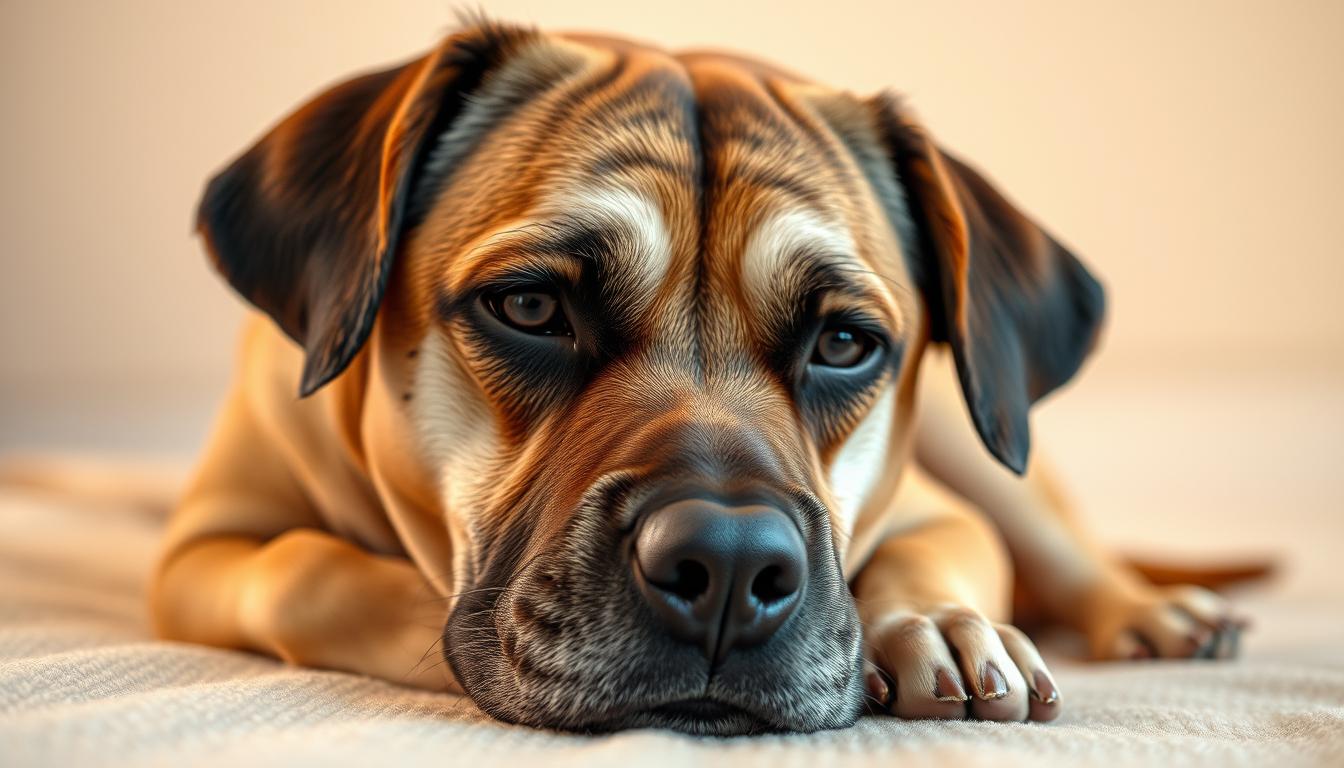
Early detection is key to improving a dog’s quality of life with hypothyroidism. Photographic images help identify the visual symptoms of canine hypothyroidism.
By looking at these images, dog owners and vets can better understand symptoms of hypothyroidism in dogs. This helps in taking timely action.
Understanding Canine Hypothyroidism
Hypothyroidism in dogs is when the thyroid gland doesn’t make enough thyroid hormones. These hormones are key for metabolism, energy, and health.
What is Hypothyroidism in Dogs?
Hypothyroidism happens when the thyroid gland doesn’t work right. This means it makes less thyroid hormones. These hormones are important for a dog’s health. Without enough, dogs can show many signs.
Prevalence and Risk Factors
Hypothyroidism is common in dogs, with some breeds at higher risk. Age, breed, and size can play a part. For example, big breeds like Golden Retrievers and Doberman Pinschers often get it. Knowing these risks helps catch it early.
- Age: Middle-aged to older dogs are more commonly affected.
- Breed: Certain breeds have a higher predisposition.
- Size: Larger breeds are more frequently diagnosed.
Impact on Canine Health
Hypothyroidism can really affect a dog’s health. It can change how they metabolize, cause skin problems, and make them tired. If not treated, it can get worse.
Getting a diagnosis and starting treatment early is key. It helps dogs with hypothyroidism live better lives.
The Importance of Visual Recognition
Spotting hypothyroidism early is key. It’s important to know the signs of hypothyroidism in dogs. This helps start treatment early and improves their life quality.
Why Early Detection Matters
Finding hypothyroidism in dogs early makes a big difference. It lets treatment start sooner. This can lessen symptoms and lead to better results.
Using Photography as a Diagnostic Aid
Photography is a great tool for diagnosing. It shows how a dog’s condition changes over time. It helps spot symptoms of hypothyroidism in dogs, like coat and skin changes.
Common Misdiagnoses
Hypothyroidism is often mistaken for other conditions. Its symptoms are not clear-cut. Using photos can help avoid wrong diagnoses. This ensures dogs get the right treatment.
Dermatological Signs of Hypothyroid Dogs
Dogs with hypothyroidism often show clear skin changes. These signs are key for early detection and treatment.
Hair Loss Patterns and Distribution
Hair loss is a common sign of hypothyroidism in dogs. It can be symmetrical and affect many areas, like the trunk and tail. The loss can be mild or severe.
Skin Changes and Hyperpigmentation
Skin changes are also a big sign of canine hypothyroidism. The skin may get dry, thick, and darker. This is often seen where hair loss has happened.
Seborrhea and Scaling
Seborrhea is common in hypothyroid dogs. It causes a greasy coat and scaling. This can make the dog uncomfortable and affect its look.
Photographic Examples of Skin Conditions
Photos of these skin signs are very helpful. They help vets and owners see how the dog is doing over time. This is important for tracking treatment success.
In summary, hypothyroidism in dogs shows in many ways, affecting their health and happiness. Spotting these signs early is key to helping them feel better.
Facial and Head Changes
Dogs with hypothyroidism often show changes in their face and head. These changes can be signs of the condition and affect their health and looks.
Facial Myxedema and Thickening
One sign of hypothyroidism is facial myxedema, where the face skin thickens. This makes the face look puffy, mainly around the eyes and nose. Spotting facial myxedema early is key because it shows hypothyroidism might be present.
Eyelid Abnormalities and Drooping
Dogs with hypothyroidism might have droopy eyelids or ptosis. This happens because the muscles around the eyes get weak. Watching for these signs can help understand the dog’s health.
Changes in Facial Expression
Hypothyroid dogs may look less lively or have a dull face. This shows their metabolism is slowing down. This small change is a big sign to check their thyroid health.
Before and After Treatment Comparisons
Photos before and after treatment show how some changes can reverse.
“Treatment for hypothyroid dogs can lead to significant improvements in their facial appearance and overall well-being.”
These photos show how well treatment works. They also show why catching the condition early is so important.
Changes in a dog’s face and head are important to watch. Recognizing these signs early can help get the right treatment. This can reverse some of the most obvious effects of hypothyroidism.
Body Composition Changes
Body composition changes are common in dogs with hypothyroidism. These changes can greatly affect a dog’s health and look.
Weight Gain and Fat Distribution
Weight gain is a noticeable symptom. It often comes with fat redistribution. This can make a dog look more rounded, mainly around the face, neck, and torso.
Muscle Wasting and Weakness
Even with weight gain, hypothyroid dogs may lose muscle and feel weak. This weakness is often seen in the hind legs. It makes it hard for them to stand or walk.
Neck and Shoulder Appearance
The neck and shoulder area can also change. Some dogs may look more swollen or pronounced due to myxedema, a condition linked to hypothyroidism.
Identifying Obesity vs. Hypothyroidism
It’s important to tell obesity apart from hypothyroidism’s body changes. Obesity is usually from eating too much and not exercising enough. Hypothyroidism, on the other hand, is a metabolic disorder that affects the thyroid gland’s hormone production.
| Characteristics | Obesity | Hypothyroidism |
|---|---|---|
| Weight Gain | Typically due to excess fat | Often accompanied by fluid retention |
| Muscle Mass | May be reduced due to inactivity | Often reduced due to muscle wasting |
| Other Symptoms | None specific to obesity | May include skin changes, lethargy |
Knowing the differences is key to diagnosing and treating hypothyroidism. By recognizing the unique body changes of this condition, vets and dog owners can improve the health of affected dogs.
Coat Abnormalities in Hypothyroid Dogs
Canine hypothyroidism often shows up in a dog’s coat. You might notice changes in texture, color, and how fast it grows. These signs can tell you a lot about your dog’s health.
Texture and Quality Changes
One big sign of hypothyroidism is a change in a dog’s fur. It might become dull, dry, and brittle. Sometimes, it can even get oily or greasy.
Seborrhea is a condition that can make the fur oily. This can lead to bad smells and skin infections. Keeping your dog clean and using the right treatments can help.
Color Alterations and Pigmentation
Hypothyroidism can also change a dog’s coat color. Some dogs might get darker patches, while others might lose their color. These changes are more noticeable in dogs with dark or bright fur.
These color changes are not just about looks. They can also show that something is wrong with your dog’s health. Keeping an eye on these changes is important for treating hypothyroidism.
Slow Regrowth After Clipping
Another sign of hypothyroidism is when a dog’s fur grows back slowly after being clipped. Normally, fur should grow back quickly. But in hypothyroid dogs, it takes much longer. This shows that there’s a problem with how the dog’s body grows hair.
Photographic Timeline of Coat Changes
Taking pictures of your dog’s coat changes over time can be very helpful. It lets veterinarians and owners see how the condition is progressing. It also helps them see if the treatment is working.
By watching for these coat changes and knowing they’re linked to hypothyroidism, you can get your dog the help they need. This can really improve their life.
Behavioral and Activity Changes
Hypothyroidism in dogs often brings noticeable changes in behavior and activity. These changes might start small but grow as the condition worsens.
Lethargy and Exercise Intolerance
Lethargy, or a lack of energy, is a key sign of hypothyroidism in dogs. Dogs that were once full of energy may now seem sluggish. This exercise intolerance is a big clue to the condition.
Mental Dullness and Cognitive Changes
Hypothyroid dogs may seem mentally dull. They might not respond as well or show less interest in their surroundings. These cognitive changes can vary from mild to severe, affecting how they interact with their environment and owners.
Cold Intolerance and Seeking Warmth
Dogs with hypothyroidism often feel cold more easily. They may seek out warm places to lie down. This cold intolerance is a common symptom seen with other behavioral changes.
Documenting Behavioral Changes
It’s important for dog owners to note any behavioral changes in their pets. Keeping a log of these changes can help diagnose hypothyroidism. As one vet says, “Watching and recording changes in a dog’s behavior and activity can give us important insights into their health.”
“A detailed history of the dog’s symptoms and behavioral changes is key for an accurate diagnosis.”
Breed-Specific Manifestations of Hypothyroidism
Hypothyroidism in dogs shows different signs in different breeds. Some breeds are more likely to get it. It’s important to know these differences to diagnose and treat the condition.
Common Breeds Affected
Some breeds, like Golden Retrievers, Doberman Pinschers, and Irish Setters, get hypothyroidism more often. Owners of these breeds should watch for signs of the condition.
Variation in Clinical Presentation
Hypothyroidism shows up differently in different breeds. Some breeds have more skin problems, while others have more metabolic issues. Knowing these differences helps with accurate diagnosis.
Breed-Specific Photographic Examples
Photos can show how hypothyroidism looks in different breeds. They can help us see the range of symptoms. This helps us understand the condition better.
By knowing how hypothyroidism affects different breeds, vets and owners can catch it early. They can then manage it more effectively.
Progression of Clinical Signs
It’s key to understand how hypothyroidism in dogs gets worse. This condition starts slowly, with symptoms getting more serious over time.
Early vs. Advanced Signs
The first signs of hypothyroidism in dogs are often hard to spot. They might seem tired, gain weight, or have skin issues. As it gets worse, dogs may lose a lot of hair, get skin infections, and seem less alert.
| Signs | Early Stage | Advanced Stage |
|---|---|---|
| Lethargy | Mild | Severe |
| Hair Loss | Minimal | Widespread |
| Skin Condition | Dryness | Infections, Hyperpigmentation |
Timeline of Symptom Development
How fast symptoms show up can differ a lot. It depends on the dog’s breed, age, and health. Usually, it takes months to a few years for symptoms to become clear.
Photographic Documentation of Disease Progression
Photos are great for tracking how hypothyroidism changes in dogs. They help vets and owners see how the dog’s coat, skin, and face look over time.
The pictures show how serious hypothyroidism can get. This highlights the need for catching it early and treating it to control symptoms.
Diagnostic Approach for Hypothyroid Dogs
Diagnosing hypothyroidism in dogs requires a detailed look at symptoms and blood tests. These tests check thyroid hormone levels. It’s important to accurately identify hypothyroidism and rule out other conditions.
Blood Tests and Interpretation
Blood tests are key in diagnosing hypothyroidism. They measure thyroid hormones like T4 and T3. It’s important to consider the dog’s symptoms, medical history, and other test results. For example, low T4 levels don’t always mean hypothyroidism.
Ruling Out Mimicking Conditions
Other conditions can look like hypothyroidism, making diagnosis hard. Veterinarians use clinical checks and tests to rule out these conditions. For example, a sick dog might have low thyroid hormone levels, not hypothyroidism.
When to Suspect Hypothyroidism
Vets should think of hypothyroidism in dogs with signs like weight gain and hair loss. A detailed history and physical check are key to deciding if more tests are needed.
Correlating Visual Signs with Laboratory Findings
Matching visual signs with lab results is key for a correct diagnosis. For example, a dog with symmetrical hair loss and low T4 levels is likely hypothyroid. Here’s how signs and lab results can match up:
| Clinical Sign | Laboratory Finding | Diagnostic Implication |
|---|---|---|
| Symmetrical hair loss | Low T4 levels | Supports hypothyroidism diagnosis |
| Weight gain | Elevated cholesterol | Consistent with hypothyroidism |
| Skin hyperpigmentation | Normal T4 levels | May indicate other skin conditions |
Vets use both clinical observation and lab tests to accurately diagnose hypothyroidism. This helps them create a good treatment plan.
Treatment Effects on Physical Appearance
Treatment for hypothyroidism in dogs not only eases symptoms but also boosts their looks. Giving them thyroid hormone helps manage the condition. This step is key to getting them back to health and good looks.
Before and After Treatment Images
“The transformation in these dogs is not just physical; it’s a testament to the effectiveness of thyroid hormone replacement therapy,” says a renowned veterinarian. Such images are powerful for vets and dog owners. They show the big changes possible with treatment.
Timeline of Improvement
When you’ll see changes in a hypothyroid dog varies. Usually, you’ll notice improvements in a few months. At first, you might see more energy and a better coat. Later, you’ll see more obvious changes like weight loss and less puffiness on their face.
Residual Changes
Even with treatment, some dogs might keep certain signs of hypothyroidism. For example, skin changes or scars from bad skin issues might stay. These changes can happen even if the treatment works well.
Monitoring Treatment Success Visually
It’s important to keep an eye on how well treatment is working. Vets and owners should look for signs like a healthier coat, less weight, and more energy. These signs help decide if the treatment needs to be changed.
Vets say, “Regular checks and tweaks are essential for the best results in hypothyroid dogs.” Keeping a close eye on how they’re doing is key. It helps make sure the treatment works well and improves their life.
Medication for Hypothyroid Dogs
The main treatment for hypothyroidism in dogs is thyroid hormone replacement therapy. This helps reduce symptoms and improves their life quality.
Thyroid Hormone Replacement Therapy
Thyroid hormone replacement is the usual treatment for hypothyroidism in dogs. It involves giving synthetic thyroid hormones to replace the missing natural ones. Levothyroxine, a synthetic T4, is the most used medication.
Dosing and Administration
The levothyroxine dose is based on the dog’s weight. Regular checks are needed to adjust the dose. It’s important to give the medication exactly as the vet says to ensure the right amount.
Monitoring and Adjustment
Regular blood tests are key to check thyroid hormone levels and adjust the dose. The aim is to keep hormone levels normal, which might need changes to the medication.
Signs of Proper vs. Improper Medication
When medication is right, symptoms like better coat, stable weight, and more energy appear. But, wrong doses can cause problems. Too little might not help, while too much can lead to hyperthyroidism signs like weight loss, anxiety, and fast heart rate.
| Signs | Proper Medication | Improper Medication |
|---|---|---|
| Coat Condition | Improved, healthy coat | Dull, brittle, or excessive shedding |
| Weight | Stable, healthy weight | Unexplained weight gain or loss |
| Energy Levels | Increased, normal activity | Lethargy or hyperactivity |
Natural Remedies and Dietary Management
While traditional treatments are key, natural remedies and diet can help too. A mix of these can boost a hypothyroid dog’s health and happiness.
Supportive Nutritional Approaches
Changing a dog’s diet is vital for managing hypothyroidism. Feeding a balanced diet with all the right nutrients is important. Omega-3 fatty acids in fish oil can reduce inflammation and improve skin and coat.
Antioxidants like vitamin E also help fight oxidative stress.
Dietary Considerations for Hypothyroid Dogs
Diet management is more than just a balanced diet. It’s about tailoring the diet to the dog’s specific needs. Some dogs might do better on a diet low in soy and high in fiber.
It’s also key to make sure the diet has enough iodine. Iodine is vital for making thyroid hormones.
Complementary Therapies
Complementary therapies can also help hypothyroid dogs. Acupuncture and herbal remedies are options that have shown promise. But, always talk to a vet before trying new therapies to make sure they’re safe.
Evidence-Based Natural Approaches
When looking at natural remedies, focus on evidence-based approaches. Not all natural remedies are proven to work. A vet can help find the safest and most effective natural options for a hypothyroid dog.
Conclusion
It’s important to know the signs of hypothyroidism in dogs to manage it well. Photographic images help spot changes in their skin, face, and body shape. These changes are signs of canine hypothyroidism.
Managing hypothyroidism in dogs needs a full plan. This includes getting a correct diagnosis, the right treatment, and making lifestyle changes. Levothyroxine treatment can start to show results in just one month. Hair growth starts in the first month, and it takes about 6 to 8 months for full regrowth.
Knowing about hypothyroidism’s impact on dogs helps owners and vets work together. They can create a plan that fits the dog’s needs. This includes considering the dog’s breed and health status.
Working together, owners and vets can improve a dog’s life with hypothyroidism. This teamwork is key to better care and a happier dog.