 by
by The VDI4800 standard gives a detailed guide for checking how well resources are used in different product cycle stages. It’s key for companies wanting to cut down their environmental impact.
Being good with resources is not just good for the planet; it also helps a company’s finances. By using resources wisely, businesses can cut down on waste, save money, and look better in terms of sustainability.
Efficient resource utilization in a product’s life cycle brings big wins, both for the wallet and the planet. The VDI4800 standard provides tools for companies to reach these goals.
Understanding the VDI4800 Standard
The Association of German Engineers created the VDI4800 standard. It offers a detailed plan for using resources efficiently. This plan helps evaluate and boost resource use throughout a product’s life.
Origin and Purpose of VDI4800
The VDI4800 standard was made to improve resource use in industries. It aims to give businesses a clear way to check their resource use. This helps them find and fix areas needing better resource use.
Key Components and Structure
The VDI4800 standard has important parts like a detailed plan for checking resource use. It also has tips for making things better. This plan works for many industries and product life stages.
| Component | Description |
|---|---|
| Resource Efficiency Assessment | A detailed check of how resources are used in a product’s life. |
| Improvement Guidelines | Useful advice for making resource use better. |
Relevance for US Businesses
US businesses can gain a lot by using the VDI4800 standard. They can save money and help the environment. By following the standard’s advice, companies can use resources better and stay ahead in the market.
The Product Life Cycle Framework
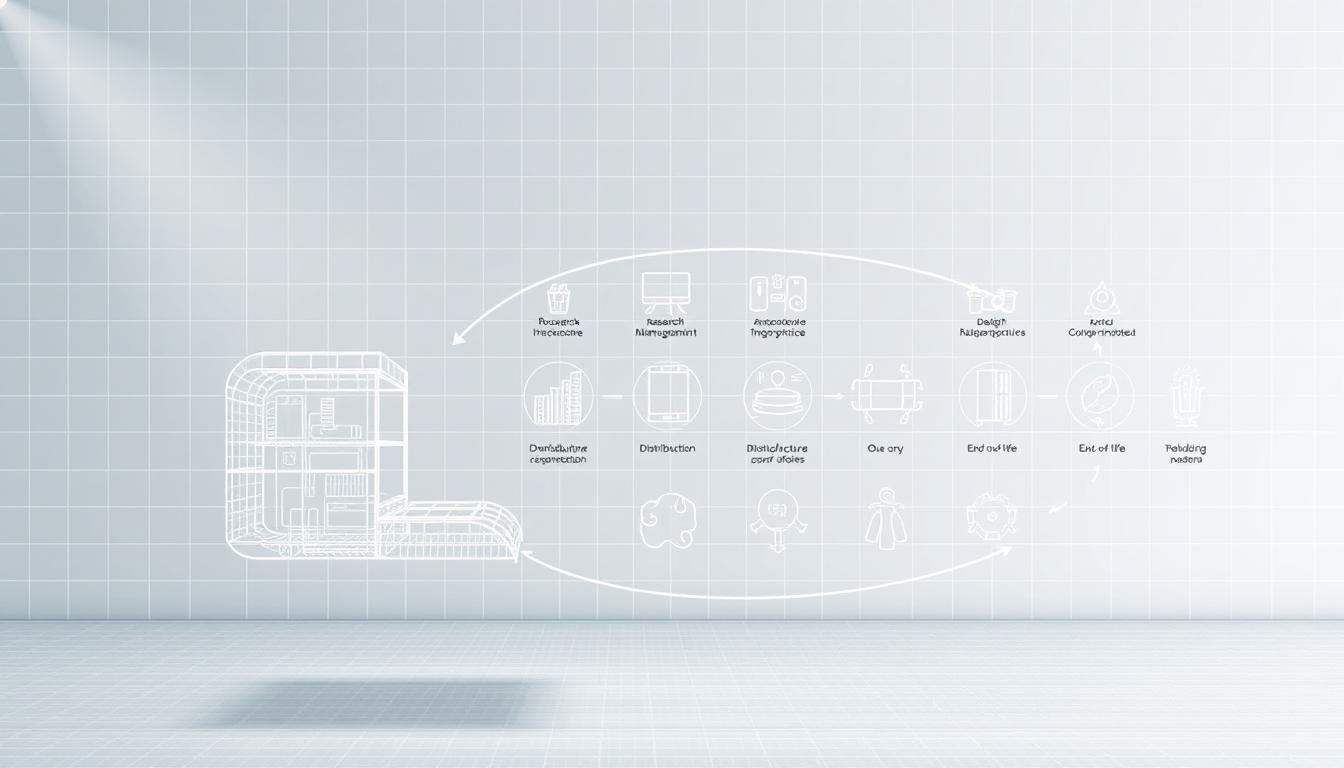
In product development, the product life cycle framework is key. It shows how resources are used from start to finish. This includes getting raw materials to recycling or disposal.
Definition and Fundamental Concepts
The product life cycle (PLC) framework is a model for a product’s journey. It helps us see the environmental and resource effects at each stage.
Key components of the PLC framework include:
- Raw material extraction and processing
- Manufacturing and production
- Distribution and logistics
- Use and maintenance
- End-of-life disposal or recycling
Traditional PLC Models vs. VDI4800 Approach
Traditional PLC models mainly look at a product’s economic life. But, the VDI4800 standard focuses on both resource efficiency and the environment.
Resource Efficiency as a Central Focus
The VDI4800 standard highlights the importance of resource efficiency. It helps companies find ways to cut waste and use resources better.
| Stage | Resource Efficiency Opportunities |
|---|---|
| Raw Material Extraction | Sustainable sourcing, material reduction |
| Manufacturing | Energy efficiency, waste reduction |
| Use and Maintenance | Design for longevity, energy-efficient operation |
Resource Categories Defined in VDI4800
The VDI4800 standard groups resources into different types. This makes it easier to use materials, energy, land, and water better. It’s key to knowing how resources are used at each stage of a product’s life, like the introduction stage.
Material Resources Classification
Material resources are sorted by type and use. This includes raw, auxiliary, and operating materials. By classifying them well, companies can use materials better and cut down on waste.
Energy Resources Taxonomy
Energy resources are divided into renewable and non-renewable types. Knowing this helps companies choose energy wisely and find greener options.
Land and Water Resource Considerations
Land and water are vital in the VDI4800 standard. Managing them right is key to less environmental harm and sustainable growth.
| Resource Category | Description | Significance in Introduction Stage |
|---|---|---|
| Material Resources | Raw, auxiliary, and operating materials | Optimizes material usage |
| Energy Resources | Renewable and non-renewable energy | Informed energy consumption decisions |
| Land and Water Resources | Land use and water consumption | Minimizes environmental impact |
Understanding and sorting resources as the VDI4800 standard suggests helps businesses be more sustainable and efficient. This is very important during the introduction stage of a product’s life cycle.
Raw Material Acquisition Phase
The raw material acquisition phase is key in a product’s life cycle. It greatly affects its environmental impact. Companies must aim for resource efficiency to lessen environmental harm, more so as they grow.
Resource Mapping and Assessment
Resource mapping and assessment are critical in this phase. They help companies find resources, understand their environmental effects, and plan for green sourcing.
Effective resource mapping looks at raw material availability and environmental impacts. It also checks the effects of extraction and processing.
Sustainable Sourcing Strategies
It’s vital to use sustainable sourcing in this phase. This means choosing suppliers who follow environmental and social rules. It helps lower the product’s environmental footprint.
“Sustainable sourcing is not just about compliance; it’s about creating a positive impact on the environment and society.”
Environmental Impact Measurement Methods
Companies use different methods to measure environmental impacts. Life cycle assessment (LCA) and environmental footprint analysis are key. They show the ecological effects of getting and processing raw materials.
By focusing on these, companies can make the raw material phase more efficient. This sets a good path for the product’s life cycle, even as it grows.
Resource Considerations in the Introduction Stage of Product Life Cycle
During the introduction stage, how we use resources greatly affects a product’s sustainability. This stage is key because it sets the stage for the product’s environmental impact and resource use. It includes the maturity stage.
Resource-Efficient Design Principles
Using resource-efficient design is essential in the introduction stage. It means making products that harm the environment less without losing their usefulness. This includes using fewer materials, choosing materials that are better for the environment, and making products last longer.
Design for recyclability and reusability are also important. Products made to be recycled or reused can cut down on waste and help the environment. This not only helps the planet but also saves money and meets stricter environmental rules.
Material Selection Considerations
Choosing the right materials is key to a product’s environmental impact. In the introduction stage, pick materials that are good for the planet, can be recycled, and have a low environmental impact. Look at where the materials come from, how long they last, and if they can be reused or recycled.
- Evaluate the environmental impact of material extraction and processing.
- Consider the use of recycled or bio-based materials.
- Assess the material’s durability and its chance for longevity.
Design for Disassembly and Recycling
Designing products for easy disassembly and recycling helps reduce waste and boosts resource use. This means making products that can be taken apart, reused, or recycled when they’re no longer needed. This way, companies can use fewer new resources and cut down on waste.
Design for disassembly also helps keep products running longer by making them easier to fix and maintain. This fits well with the idea of a circular economy, where resources are used for as long as possible.
Manufacturing Process Resource Optimization
Optimizing resources in manufacturing is essential for sustainable production. Industries aim to lessen their environmental impact. So, making the most of resources in manufacturing is now more important than ever.
Energy Efficiency in Production
Boosting energy efficiency is a major goal. This can be done by using energy-saving tools, planning production to avoid peak times, and setting up energy management systems.
Material Waste Reduction Techniques
Lowering material waste is also key. This can be done by using lean manufacturing, designing products to waste less, and recycling materials.
A study on reducing material waste in manufacturing showed some interesting results:
| Strategy | Waste Reduction (%) | Cost Savings (%) |
|---|---|---|
| Lean Manufacturing | 20-30 | 15-25 |
| Design Optimization | 10-20 | 10-15 |
| Material Recycling | 15-25 | 5-10 |
Water Conservation in Manufacturing
Water conservation is vital, too, in industries that use a lot of water. Ways to save water include using water-saving tech, reusing water, and improving cooling systems.
These methods help the environment and save money. They also make operations more efficient. As products move to the decline stage, these strategies help reduce waste and environmental harm.
Distribution and Logistics Resource Management
Products move from production to use through distribution and logistics. This stage is key for managing resources. It involves several important activities that affect how well resources are used.
Transportation Resource Considerations
Transportation is vital in distribution and logistics. It greatly affects how resources are used. Companies can make transportation better by using efficient routes and fuel-saving vehicles.
A study found that better routes can cut down on fuel use and pollution learn more about green logistics.
Packaging Optimization
Packaging is also key in distribution and logistics. It offers chances to use resources better. Using simple packaging and eco-friendly materials can lessen waste and harm to the environment.
Good packaging can also save money and boost a brand’s image.
Supply Chain Resource Efficiency
Supply chain management is essential for using resources well in distribution and logistics. Using data to improve supply chains can help find and fix inefficiencies. This makes supply chains better, saving resources and money.
Good marketing can also help by changing how people buy and use products.
Growth Stage Resource Utilization Patterns
In the growth stage, companies must scale up production while using resources wisely. This phase sees a big jump in demand, needing a similar increase in production. It’s key to use resources well to keep the product growing.
Scaling Production Efficiently
To scale production well, companies need smart strategies. They should invest in new manufacturing tech and use lean production to cut waste and costs. Also, they must make their supply chains stronger to keep a steady flow of materials.
Managing Increased Resource Demands
Handling more resources in the growth stage needs careful planning. Companies should spread out their resources to avoid relying too much on one thing. They should also find ways to use resources more efficiently.
Infrastructure Development Considerations
Building the right infrastructure is vital for growth. Companies should invest in infrastructure that can grow with them. This means updating factories, expanding logistics, and improving IT for better operations.
| Resource Category | Growth Stage Challenges | Mitigation Strategies |
|---|---|---|
| Material Resources | Increased demand for raw materials | Sustainable sourcing, material efficiency |
| Energy Resources | Rising energy consumption | Energy-efficient technologies, renewable energy |
| Water Resources | Increased water usage | Water conservation measures, water recycling |
For more insights on the product life cycle stages, visit SurveyMonkey’s resource on the 5 stages of the product life. Managing resources well in the growth stage is key for success.
Maturity Stage Resource Management Strategies
The maturity stage of a product’s life cycle brings its own set of challenges and opportunities. At this point, production and consumption patterns are steady. This allows companies to fine-tune their resource management plans.
Operational Efficiency Improvements
Boosting operational efficiency is key in the maturity stage. Companies can do this by:
- Streamlining production to cut down on waste and energy use.
- Using lean manufacturing to boost productivity.
- Investing in employee training to up their skill and efficiency levels.
Resource Use Optimization in Stable Products
Optimizing resource use in stable products means:
- Regular audits to spot inefficiencies.
- Choosing sustainable sources for materials.
- Starting recycling programs for materials and waste.
Competitive Advantage Through Resource Efficiency
Being efficient with resources can give a big edge. Companies can:
- Save money by reducing waste and optimizing energy.
- Boost their brand by showing they care about the environment.
- Stand out with eco-friendly features and packaging.
By focusing on these strategies, companies can better manage resources. They can also strengthen their market position in the maturity stage.
Decline Stage and End-of-Life Resource Recovery
The decline stage and end-of-life phase of a product’s life cycle offer big chances for resource recovery and recycling. As companies move through the growth stage and maturity stage of their products, it’s key to plan well for the end. This ensures effective strategies for when products reach the end of their life.
Recycling and Material Recovery
Recycling and material recovery are key in the decline stage. Companies can set up closed-loop recycling systems. This means materials keep getting reused, cutting down on the need for new raw materials.
Energy Recovery Options
Getting energy from waste is another smart move. Methods like waste-to-energy incineration and anaerobic digestion turn waste into energy. This cuts down on fossil fuel use and lowers emissions.
Landfill Minimization Strategies
Reducing landfill waste is a main goal. Ways to do this include making products recyclable, cutting down on packaging, and starting take-back programs. These programs get consumers to return used products for recycling or proper disposal.
By using these methods, businesses can lessen their environmental impact. They can also recover valuable resources. This boosts their sustainability and might even create new income streams.
Resource Efficiency Indicators in VDI4800
The VDI4800 standard helps businesses measure how well they use resources. It’s key for cutting down on waste and using resources wisely.
Quantitative Measurement Methods
Measuring resources is vital. The VDI4800 suggests tracking energy, materials, and water. For example, a company can see how much energy it uses by looking at kWh per unit.
Qualitative Assessment Approaches
Qualitative methods also offer insights. They look at the environmental effects of products and processes. Qualitative assessments help spot where to get better and guide big decisions.
Benchmarking and Comparative Analysis
Comparing yourself to others is important. It shows how you stack up against the best. This helps set goals for getting better, even when products are nearing the end of their life.
Using these indicators well helps companies make smart choices. This leads to saving money and being kinder to the planet.
Life Cycle Assessment Integration
Life Cycle Assessment (LCA) is key in the VDI4800 standard. It helps businesses see how they use resources from start to finish. This method gives a full view of environmental effects and how to use resources better.
LCA Methodology in VDI4800
The VDI4800 standard uses a detailed LCA approach. It looks at a product’s whole life, from getting raw materials to recycling or disposal. LCA methodology in VDI4800 finds where resources are used most and where environmental harm happens. This lets businesses know where to make changes.
Experts say LCA is vital for companies wanting to lessen their environmental impact and use resources better.
“The use of LCA in product development enables companies to make informed decisions about material selection, design, and production processes.”
System Boundaries and Scope Definition
Setting system boundaries and scope is essential in LCA. The VDI4800 standard guides on what to include in the assessment. It covers raw material extraction, making, shipping, using, and managing at the end.
Interpretation of LCA Results
Understanding LCA results is key to finding ways to use resources better and lessen environmental harm. The VDI4800 standard shows how to make sense of these results. This helps businesses focus on the biggest environmental and resource issues.
By using LCA in product development and life cycle management, companies can greatly improve resource use and environmental performance. This fits with the VDI4800 standard’s goal of supporting sustainable practices through smart choices.
Regulatory Compliance and Business Benefits
The VDI4800 standard helps guide companies towards better resource use. It also opens doors to big business benefits through following rules. By adopting this standard, companies can tackle the complex world of resource efficiency and gain a lot.
US Regulatory Framework for Resource Efficiency
The U.S. has a detailed set of rules to promote resource efficiency. These include the Resource Conservation Challenge, the Energy Independence and Security Act, and the Clean Air Act. Following these rules is not just about avoiding fines. It’s a chance to use resources better and cut down on costs.
| Regulation | Focus Area | Benefits |
|---|---|---|
| Resource Conservation Challenge | Waste reduction and recycling | Cost savings, reduced waste |
| Energy Independence and Security Act | Energy efficiency and renewable energy | Reduced energy costs, enhanced energy security |
| Clean Air Act | Air pollution control | Improved air quality, reduced health risks |
Cost Savings Through Resource Optimization
Improving resource use in the introduction stage and growth stage can save a lot of money. By following the VDI4800 standard, companies can find and fix areas where they waste resources. This leads to less waste and energy use.
For example, a company might start a recycling program in its factory. This cuts down on waste disposal costs and can even make money from recyclables.
Marketing and Competitive Advantages
Resource efficiency is also a big marketing plus. Today’s shoppers care a lot about the environment. Companies that show they care about the planet can improve their image and attract green customers.
By showing they follow the VDI4800 standard and use resources wisely, businesses can stand out. This can lead to more customers and loyalty in a tough market.
Case Studies: VDI4800 Implementation
Case studies from different sectors show how the VDI4800 standard works in real life. They highlight its benefits.
Automotive Industry Applications
Volkswagen is a great example in the car industry. They used the VDI4800 standard in their production. This helped them cut down on waste and save energy during the maturity stage of their products.
A study found that using VDI4800 cut production costs by 15%. It also reduced environmental harm by 20%.
Electronics Sector Examples
The electronics world has also seen the VDI4800 standard’s success. Samsung, for instance, used it to make their manufacturing better, mainly in the decline stage of their products.
Thanks to VDI4800, Samsung cut down electronic waste by 12%. They also boosted recycling by 18%.
Consumer Goods Implementation
Procter & Gamble led the way in the consumer goods field. They applied the VDI4800 standard to their products. This made their products more eco-friendly.
“By implementing the VDI4800 standard, we were able to reduce our environmental footprint by 10% and improve our brand reputation among eco-conscious consumers.”
The success of VDI4800 in these industries shows its wide appeal. It offers big advantages in saving resources and being sustainable.
Conclusion
The VDI4800 standard helps businesses evaluate how efficient they are in using resources. It guides companies to adopt green practices and lessen their environmental harm. By knowing the different stages of a product’s life, companies can create marketing plans that promote green products.
This standard gives a clear way to check how well resources are used, from getting raw materials to recycling at the end. Using this standard, companies can use resources better, cut down on waste, and boost their green efforts.
By using the VDI4800 standard, companies can lower their environmental impact and stand out in the market. They can make marketing plans that show off the green features of their products. This appeals to more people who want to buy sustainable products.