 by
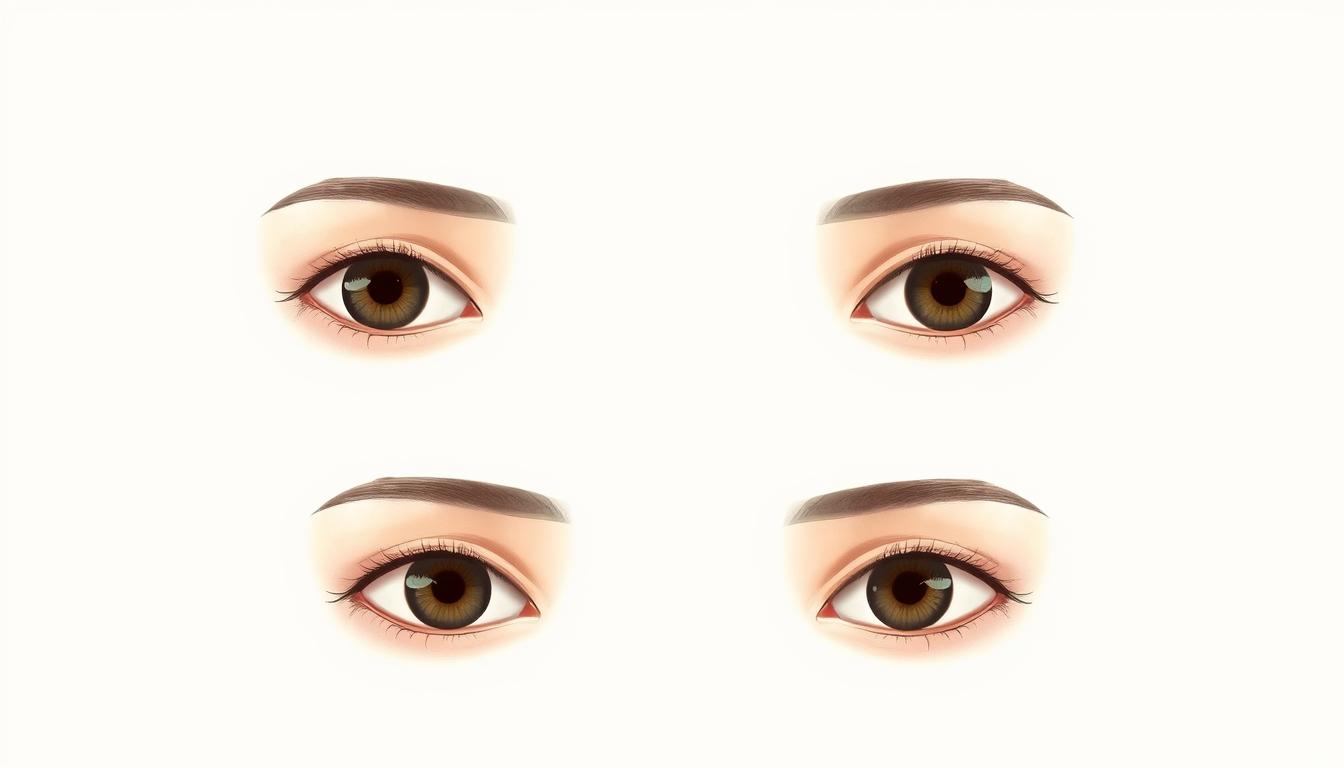
by The variety in eyelid shapes among people of Asian descent is quite large. There are many morphologies seen. It’s important for doctors and those looking for beauty treatments to understand these differences.
Studies have found six main eyelid types in Asians. Each type has its own special features. Knowing these helps in making treatments more effective and improving beauty procedures.
By understanding the different eyelid morphologies, doctors can give better care. They can make treatments fit each person’s needs. This leads to better results for everyone.
Understanding Asian Eyelid Anatomy
It’s important to know about the Asian eyelid’s anatomy to understand its different shapes. The eyelid has many layers and parts that change from person to person. Knowing these details helps us see how it looks and works.
Basic Eyelid Structure and Terminology
The eyelid has several main parts. These include the skin, orbicularis oculi muscle, orbital septum, and preaponeurotic fat. Together, they shape and function the eyelid.
Upper and Lower Eyelid Components
The upper eyelid has the levator palpebrae superioris muscle, which helps lift it. The lower eyelid focuses on support and stability. Both eyelids have muscles, fat, and skin that work together.
Orbital Septum and Fat Pads
The orbital septum is a thin membrane that separates the orbital contents from the eyelid. Preaponeurotic fat pads are in front of the levator aponeurosis and affect the eyelid’s look and crease. Differences in these fat pads lead to the variety in Asian eyelid shapes.
The eyelid’s anatomy, including the orbital septum and fat pads, is key to its shape. Knowing about these parts is essential for talking about Asian eyelid types and their features.
Historical Context of Asian Eyelid Classification
The study of Asian eyelid types has a long history. It’s important to know this history to understand the different ways eyelids are classified.
Early Studies and Classifications
Early research on Asian eyelids laid the groundwork for today’s systems. Scientists looked at how Asian eyelids differ, like the presence of a crease or how visible the eyelid folds are. These studies grouped Asian eyelids into main types based on what can be seen.
Evolution of Understanding Asian Eyelid Morphologies
Our knowledge of Asian eyelid types has grown a lot over time. New research and clinical findings have led to more detailed systems. Now, we can see a wider range of eyelid types and subtypes, giving us a better understanding of the Asian population’s variations.
| Classification System | Key Features | Significance |
|---|---|---|
| Early Classification | Basic categorization based on supratarsal crease presence | Established initial understanding of Asian eyelid morphologies |
| Modern Classification | Nuanced categorization including subtypes and variations | Provides detailed insight into diverse Asian eyelid morphologies |
Genetic Factors Influencing Eyelid Morphologies
The shape of human eyelids is shaped by genetics, leading to many different types. This variety comes from complex hereditary patterns and the spread of eyelid types around the world.
Hereditary Patterns in Eyelid Formation
Genetics play a big role in eyelid shape. Research has found specific genes that affect eyelid types. For example, whether someone has double or single eyelids is often passed down from parents.
Family studies show that kids often get their eyelid type from their parents.
Geographical Distribution of Different Eyelid Types
Different eyelid types are found in varying amounts around the world. This is mainly because of genetic differences in different populations.
East Asian Prevalence Patterns
In East Asia, the double eyelid is not as common in all ethnic groups. Studies have shown some groups have it less often than others.
Southeast Asian Prevalence Patterns
Southeast Asia has a wide range of eyelid shapes due to its diverse ethnic and genetic background. The different eyelid types found here can help us understand the genetic and environmental factors at play.
| Region | Prevalent Eyelid Type | Genetic Influence |
|---|---|---|
| East Asia | Single Eyelid | High |
| Southeast Asia | Mixed | Moderate to High |
The Science of Eyelid Morphologies
The study of eyelid shapes has led to a new way of classifying them. This system helps us understand the many types of eyelids and their features.
Development of the Modern Classification System
Scientists have worked hard to create a modern eyelid classification system. It groups eyelids by their unique traits. This system is used for both diagnosing and studying eyelids.
Key Features of the Modern Classification System:
- Comprehensive categorization of eyelid morphologies
- Standardized criteria for classification
- Enhanced accuracy in clinical diagnosis
- Improved consistency in research studies
Importance of Accurate Classification
Getting eyelid types right is key for doctors and researchers. It affects how we treat patients and the results of studies. This ensures patients get the right care and research is trustworthy.
Clinical Applications
In clinics, knowing the eyelid type helps doctors choose the best treatments. It makes care more effective for each patient.
Research Implications
For research, a clear classification system lets scientists compare studies easily. It helps spot trends in eyelid types, deepening our knowledge of them.
| Classification Criteria | Clinical Relevance | Research Implications |
|---|---|---|
| Eyelid Type | Guides treatment decisions | Facilitates comparative studies |
| Morphological Characteristics | Influences surgical approaches | Enhances understanding of eyelid diversity |
Type1: Complete Double Eyelid
The complete double eyelid has a clear supratarsal crease. This crease is visible and well-defined. It makes the eye look more open and appealing.
Defining Characteristics
The complete double eyelid has a clear supratarsal crease. This crease is due to the levator aponeurosis attaching to the skin.
Key features include:
- A visible and consistent supratarsal crease
- A distinct fold that is not obscured by excess skin or fat
- A well-defined eyelid structure that contributes to the overall aesthetic of the eye
Prevalence and Distribution
The complete double eyelid is more common in some areas. Studies show it’s prevalent in certain regions.
| Region | Prevalence (%) |
|---|---|
| East Asia | 30 |
| Southeast Asia | 25 |
| South Asia | 20 |
Anatomical Structure
The complete double eyelid’s structure is unique. It has specific fat distributions and attachments.
Levator Aponeurosis Attachments
The levator aponeurosis is key to the crease. Its connection to the skin and tarsal plate makes the crease clear.
Orbital Fat Distribution
Orbital fat’s distribution impacts the eyelid’s look. In complete double eyelids, fat doesn’t hide the crease.
Type2: Incomplete Double Eyelid
The incomplete double eyelid has a partial or less defined crease. It’s a key part of Asian eyelid diversity.
Characteristics
The incomplete double eyelid has a crease that doesn’t go all the way across the eyelid. This crease can look more defined near the inner corner of the eye. But it’s less visible towards the outer corner.
Key features include a less defined fold. The crease may not be consistent in depth or width.
Prevalence and Distribution
Studies show that incomplete double eyelids are more common in some Asian populations. This is because of genetic factors specific to certain ethnic groups.
Anatomical Structure
The anatomy of an incomplete double eyelid is complex. It involves skin, muscle, and fat. The partial crease comes from how the levator palpebrae superioris muscle attaches to the skin.
Partial Crease Formation Mechanisms
The partial crease in incomplete double eyelids comes from the variable insertion of the levator muscle fibers. They insert into the orbital septum and skin in different ways.
Distinguishing Features from Type1
Type 2 has an incomplete or partial crease. This is different from Type 1, which has a complete and well-defined double eyelid crease. This difference is important for both looks and surgery.
Type3: Single Eyelid with Visible Fold
A single eyelid with a visible fold is quite interesting. It has a fold in the eyelid, even though it looks like a single eyelid.
Defining Characteristics
This eyelid type has a crease or fold that’s not as deep as in double eyelids. The fold is usually visible, making the eyelid stand out. People with this type can have a faint or a clear crease.
Prevalence and Distribution
The frequency of this eyelid type varies by population. It’s more common in some Asian ethnic groups. Some areas have more cases than others.
| Population | Prevalence (%) |
|---|---|
| East Asian | 25 |
| Southeast Asian | 20 |
| South Asian | 15 |
Anatomical Structure
The structure of a single eyelid with a visible fold is complex. It involves a special arrangement of tissues and factors that affect the fold’s visibility.
Subcutaneous Tissue Arrangement
The subcutaneous tissue in this eyelid type is arranged to form a fold. This arrangement is key to the fold’s visibility.
Fold Visibility Factors
Several things affect how visible the fold is. These include the eyelid’s thickness, fat presence, and the levator muscle’s attachment. Understanding these factors helps us see the details of this eyelid type.
Type4: Complete Single Eyelid
The complete single eyelid is known for its simplicity. It lacks a visible eyelid crease. This makes it different from other eyelid types with more complex structures.
Defining Characteristics
The complete single eyelid is characterized by the absence of a visible crease. This is due to its unique anatomical structure. The main feature is the lack of a supratarsal crease.
This eyelid type has a smooth surface. This smoothness is a key trait for those with this morphology.
Prevalence and Distribution
The complete single eyelid’s prevalence varies across different populations. It is more common in some Asian ethnic groups.
Research links its distribution to genetics. Certain populations have a higher incidence due to hereditary factors.
Anatomical Structure
The complete single eyelid’s structure is unique. The lack of a crease is mainly due to fat distribution and eyelid structure.
Absence of Crease Formation
The lack of a crease in this eyelid type is due to the lack of a well-defined supratarsal fold. This is caused by the anatomical setup and the presence of pretarsal fat.
Pretarsal Fat Distribution
Pretarsal fat distribution is key to the complete single eyelid’s look. The fat layer makes the eyelid smooth. It’s a major reason for the absence of a visible crease.
Type5: Hooded Eyelid
The hooded eyelid has extra skin that folds over the eyelid crease. This type is not just unique in looks but also affects how it works.
Characteristics
The hooded eyelid has extra skin that covers the eyelid crease. This can hide the crease or make it hard to see. It’s important for looks and function.
Hooded eyelids are more common in some ethnic groups. This shows how different eyelid structures can be.
Anatomical Structure
The hooded eyelid’s structure includes extra skin and a lower eyelid crease. This setup can change how the eye looks. It also impacts treatments.
Dermatochalasis Features
Dermatochalasis, or extra eyelid skin, is a big part of the hooded eyelid. It can make eyes look older and might hurt vision if it’s bad.
Age-Related Changes
As people get older, the skin’s stretchiness goes down. This can make the hooded eyelid look worse.
| Characteristics | Prevalence | Anatomical Implications |
|---|---|---|
| Excess skin folding over the crease | Varied among ethnic groups | Affects eyelid appearance and function |
| Dermatochalasis | Common in aging populations | Can impair vision |
| Age-related changes | Universal | Exacerbates hooded eyelid appearance |
Type6: Complex Eyelid
The complex eyelid has many crease patterns and is not symmetrical. It’s a special kind of eyelid shape. This type has features that make it stand out from others.
Defining Characteristics
The complex eyelid has detailed crease patterns and is not symmetrical. Multiple creases can appear, and they vary in depth and how visible they are. The eyelids can also be different in shape, size, or where they sit.
Prevalence and Distribution
Research shows the complex eyelid is less common than other types. It’s found more often in some ethnic groups than others.
Anatomical Structure
The complex eyelid’s structure is unique. It has special arrangements of the eyelid’s tissues. This includes changes in the orbicularis oculi muscle, the orbital septum, and the levator palpebrae superioris muscle.
Multiple Crease Patterns
Having many crease patterns is a key feature of the complex eyelid. These creases can be partial or complete. They can be found at different levels of the eyelid.
Asymmetrical Features
Asymmetry in the complex eyelid can show up in many ways. This includes differences in eyelid shape, size, or where the crease is.
“Asymmetry is a key characteristic that requires careful consideration in both aesthetic and functional assessments.”
Cultural Perceptions of Different Eyelid Morphologies
Eyelid shapes are seen differently around the world. This shows how beauty standards have changed over time. Cultural, historical, and media factors all play a role in how we see and value different eyelid types.
Historical Beauty Standards
Beauty standards for eyelids have changed a lot over history. In East Asia, the love for double eyelids is a recent trend, influenced by Western beauty. The change in beauty ideals comes from cultural exchange, media, and what society likes. Some cultures have always seen certain eyelid features as beautiful or important.
“Beauty is not just about looks; it’s tied to culture and history,” says a cultural anthropologist. This shows how complex and varied beauty standards are across cultures.
Modern Perspectives on Eyelid Diversity
Today, there’s more love for the variety in eyelid shapes. This change is partly because of more media showing diverse eyelids.
Media Representation
Media is key in shaping beauty views. Seeing more eyelid types in media helps broaden our view of beauty. This includes models and celebrities with different eyelid shapes in magazines, ads, and online.
Changing Beauty Ideals
With more global communication, beauty standards keep evolving. There’s a move towards celebrating individuality and diversity, including different eyelid shapes. This is seen in the rise of cosmetic procedures for various eyelids and makeup industry inclusivity.
Clinical Implications of Eyelid Morphologies
The shape of the eyelid is very important. It affects how well the eye works and can lead to other health issues. Knowing this helps doctors diagnose and treat problems better.
Functional Considerations
The shape of the eyelid plays a big role in eye function. Different shapes can affect how well the eye protects itself and sees clearly. For example, some shapes might make it harder for the eye to stay closed.
A study in the Journal of Ophthalmology found that some eyelid shapes increase the risk of eye problems. This shows why doctors should look at eyelid shape when checking for health issues.
Common Conditions Associated with Specific Types
Each eyelid shape is linked to different health issues. Knowing these links helps doctors give better care.
Visual Field Implications
The shape of the eyelid can also change how we see. For example, some shapes might block our side vision, while others might help us see better. Understanding this is key to fixing vision problems.
Dry Eye Syndrome Correlations
Some eyelid shapes are more likely to have dry eye problems. This is because some shapes don’t close all the way. A researcher said, “The eyelid’s shape is very important for spreading tears evenly.”
“The anatomy of the eyelid plays a critical role in the distribution of tears across the ocular surface.”
| Eyelid Morphology | Associated Condition | Clinical Implication |
|---|---|---|
| Single Eyelid | Dry Eye Syndrome | Increased risk due to incomplete closure |
| Hooded Eyelid | Visual Field Obstruction | Potential impact on peripheral vision |
| Double Eyelid | Enhanced Visual Field | Potential for improved peripheral vision |
Surgical Approaches to Asian Eyelid Modification
Understanding Asian eyelid anatomy is key for successful surgery. Surgical methods for Asian eyelids have changed a lot. Now, they focus more on fitting each eyelid’s unique shape.
Evolution of Blepharoplasty Techniques
Blepharoplasty, or eyelid surgery, has made big strides. Modern techniques use a deeper understanding of Asian eyelids. This leads to more accurate and effective surgeries.
The growth of blepharoplasty comes from new tech and knowing Asian eyelids better.
Type-Specific Surgical Considerations
Each Asian eyelid type needs its own surgery. For example, the single eyelid and double eyelid need different methods. Surgeons must know each type’s unique features for the best results.
Thinking about each eyelid type is key to avoiding problems and making patients happy.
Ethical Considerations in Eyelid Surgery
Eyelid surgery brings up big ethical questions. Doctors must weigh what patients want against what’s medically right. They also need to tell patients about the surgery’s risks and benefits clearly.
Being ethical in eyelid surgery means respecting patients’ wishes and cultural values. It also means keeping high standards of care.
Non-Surgical Methods for Eyelid Enhancement
Eyelid enhancement has many non-surgical options. These methods suit different eyelid types and preferences. They let people improve their eyelid look without surgery.
Temporary Techniques
Temporary methods are easy and can be undone. They’re great for those unsure about surgery.
Eyelid Tape Applications
Eyelid tape creates a temporary crease. It’s perfect for those with monolids or wanting to boost their eyelid fold.
Glue Methods
Eyelid glue is a temporary fix for a defined crease. It comes in various forms and suits individual tastes.
Makeup Strategies for Different Eyelid Types
Makeup can greatly improve eyelid looks. It’s a non-surgical way to get the look you want. Different methods work for different eyelids.
Enhancing Single Eyelids
Makeup tricks like shading and highlighting can make single eyelids look more defined. Eyeliner and eyeshadow can also make a big difference.
Techniques for Double Eyelids
Double eyelids can be highlighted with makeup. Using eyeshadow and eyeliner that matches the natural crease can make them look even more beautiful.
Future Directions in Eyelid Morphology Research
Research on eyelid morphologies is on the verge of a new era. This is thanks to new technologies. The field will see big improvements from new tech and better classification systems.
New technologies will change how we study eyelid morphologies. Emerging technologies like 3D imaging and artificial intelligence will be key. They will help us understand eyelid shapes better.
Emerging Technologies in Assessment
New tools are being made to better study eyelid shapes. For example, 3D imaging techniques can measure eyelid structures accurately. This helps in both research and medical care.
Potential Refinements to Classification Systems
Classification systems for eyelid shapes might get better as we learn more. These updates could give us a deeper understanding of different eyelid types. They could also show us what these shapes mean.
Using machine learning algorithms and other advanced tools, researchers might find new subcategories. These could be details we didn’t see before.
Conclusion
The study of Asian eyelid morphologies has shown six main types. This finding is important for doctors and our understanding of human differences.
Knowing how to classify eyelid shapes is key for diagnosing and treating eye problems.
Doctors can give better care when they understand the different eyelid types. This leads to better health outcomes for patients.
Looking into eyelid shapes also shows us the value of diversity and inclusivity in medicine.
Healthcare workers can meet the needs of people from all backgrounds by recognizing the unique features of each eyelid type.