 by
by Eyelid papillomas are benign growths that show up on the eyelids. They are often linked to aging or viral infections. These growths can stem from different causes, including the human papillomavirus (HPV) infection.
It’s key to understand the causes of eyelid papillomas to prevent and treat them. These growths are common and can happen for many reasons. This includes aging and viral infections.
Knowing the symptoms and looking into treatment options for papilloma is important. This helps people get the right medical care. Eyelid papillomas can look different, so seeing a healthcare professional is vital for the right diagnosis and treatment.
What Are Eyelid Papillomas?
Eyelid papillomas are benign growths on the eyelid. They are usually harmless and can look different.
Definition and Clinical Appearance
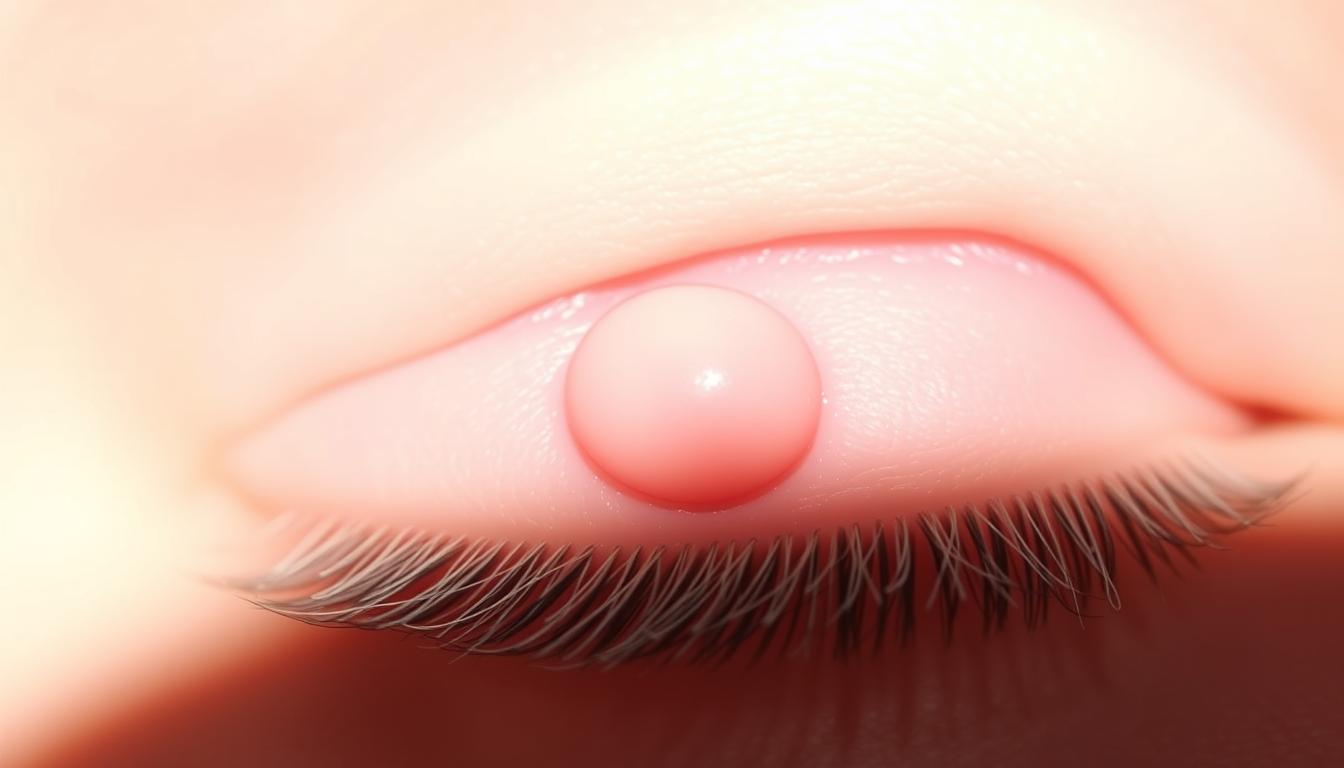
Eyelid papillomas are benign eyelid tumors. They can be flesh-colored, pink, or dark brown. They might have a stalk, making them stand out.
The clinical appearance can vary. This makes it important to examine them closely for a correct diagnosis.
Some common traits include:
- A pedunculated or sessile growth pattern
- Varying sizes, from small to large
- Potential for irritation or discomfort, if large or near the eyelid margin
Common Locations and Presentations
Eyelid papillomas can appear on the upper and lower eyelids. Their locations and presentations can affect symptoms and concerns. They often occur:
- At the eyelid margin
- On the surface of the eyelid
- Near the inner or outer canthal area of the eye
Knowing where and how eyelid papillomas appear is key for correct diagnosis and treatment.
The Primary Causes of Eyelid Papillomas
Eyelid papillomas are mainly caused by viral infections, with HPV being a big factor. Knowing how HPV leads to these growths helps in finding ways to prevent and treat them.
Human Papillomavirus (HPV) Infection
HPV infection is a known cause of some eyelid papillomas. This virus spreads easily and can pass from person to person through skin contact.
HPV Types Most Commonly Involved
Some types of HPV are more often linked to eyelid papillomas. These are usually the low-risk types, which cause benign growths.
Transmission Mechanisms
HPV spreads through direct contact with an infected person or touching things they’ve touched. Prevention measures include keeping clean and avoiding close contact with people with HPV lesions.
Other Viral Agents
While HPV is a main cause, other viruses can also lead to eyelid papillomas. These include viruses that cause skin lesions.
- Viral infections are a major risk factor for developing eyelid papillomas.
- Understanding the various viral agents involved is key for managing them well.
- Prevention should aim to lower the spread of these viruses.
By knowing the main causes of eyelid papillomas, like HPV and other viruses, we can lower our risk of getting them.
Risk Factors for Developing Eyelid Papillomas
It’s important to know the risk factors for eyelid papillomas to prevent and treat them early. Some people are more likely to get these growths than others.
Age-Related Susceptibility
Age is a big factor in getting eyelid papillomas. Older people are more at risk because their immune system weakens with age. This makes them more likely to get these growths.
Compromised Immune Function
People with weak immune systems are more likely to get eyelid papillomas. This includes those with illnesses, taking certain medicines, or other conditions. A weak immune system can’t fight off viruses like HPV, which causes these growths.
Environmental and Lifestyle Factors
Some lifestyle choices and environmental factors can raise the risk of eyelid papillomas. UV radiation, smoking, and poor hygiene can contribute to these growths. Living a healthy lifestyle and avoiding harmful environments can help reduce these risks.
Knowing and managing these risk factors can help prevent eyelid papillomas. It also ensures early detection and treatment if they do occur.
Genetic Predisposition and Hereditary Factors
Studies show that eyelid papillomas can be linked to genetics. This means people with a family history of these growths might be more likely to get them. Knowing about genetic links can help spot who’s at risk and what steps they can take to prevent it.
Family History Considerations
If your family has had eyelid papillomas, you might be at higher risk. Research shows that family history can play a big role. It’s important for those with a family history to watch their eyelids closely for any new growths.
Genetic counseling can also be helpful. It can give insights into your risk and ways to prevent these growths.
Associated Genetic Syndromes
Some genetic syndromes raise the risk of eyelid papillomas. For example, conditions that affect the immune system or cause skin issues might increase this risk.
Knowing about these syndromes can help catch eyelid papillomas early. Doctors should look out for these connections in patients with a history of such syndromes.
Pathophysiology of Eyelid Papilloma Development
Eyelid papillomas grow due to changes in cells and how they grow. These are benign growths on the eyelid caused by cells growing too much. Knowing how they grow helps us find better ways to treat them.
Cellular Changes During Papilloma Formation
When eyelid papillomas form, cells change in important ways. The abnormal proliferation of epithelial cells leads to these tumors. The cells change shape and grow differently, making papillomas look like they do.
Growth Patterns and Progression
Eyelid papillomas grow in specific ways. They start small and flat but can grow into bigger, hanging or flat growths. The growth rate varies, with some staying small for years and others growing fast.
Knowing how they grow helps us choose the right treatment.
Many things can affect how eyelid papillomas grow, like immune function and environmental exposures. Sometimes, they go away on their own, but other times, they stay or come back after treatment.
Distinguishing Eyelid Papillomas from Similar Lesions
It’s important to tell eyelid papillomas apart from other eyelid growths. This is key for the right treatment. Papillomas can look like other benign or cancerous growths, making it vital to make the right diagnosis.
Benign vs. Potentially Malignant Growths
Eyelid papillomas are usually not cancerous. But, they can look like cancerous growths. It’s important to tell the difference to avoid wrong treatments.
Benign lesions like seborrheic keratosis and intradermal nevi can look like papillomas. On the other hand, malignant lesions like basal cell carcinoma can look like harmless papillomas.
Differential Diagnosis Considerations
When diagnosing eyelid papillomas, we must think of other eyelid growths. We need to consider seborrheic keratosis and basal cell carcinoma.
Seborrheic Keratosis
Seborrheic keratosis is a benign growth that can show up on the eyelids. It looks like something stuck on and might be colored. Even though it’s usually harmless, big or bothersome ones might need to be removed.
Basal Cell Carcinoma
Basal cell carcinoma is the most common skin cancer and can appear on the eyelids. It grows slowly and looks like a pearly bump. It’s important to tell it apart from papillomas because it can spread and cause damage if not treated.
To accurately diagnose eyelid growths, a detailed check-up is needed. Sometimes, a biopsy and lab tests are also required. This helps to correctly identify eyelid papillomas and other possible cancers.
Diagnostic Approaches for Eyelid Papillomas
Diagnosing eyelid papillomas involves several steps. It starts with a detailed clinical examination. Getting the diagnosis right is key for good treatment and care.
Clinical Examination Techniques
Checking the eyelid carefully is the first step. Doctors look at the size, shape, color, and feel of the growth. Slit-lamp biomicroscopy helps see how it affects the eye.
They also check for signs like irritation or redness. A full medical history is taken to look for risk factors or similar issues before.
Biopsy and Histopathological Analysis
Even with a good look, histopathological analysis is needed to be sure. A biopsy takes a tissue sample for the microscope. It shows signs of papillomas, like thickened skin and blood vessels.
Advanced Imaging Methods
Sometimes, advanced imaging techniques like OCT are used. OCT gives clear pictures of the growth and around it. This helps doctors plan the best treatment.
Using all these methods together makes diagnosing eyelid papillomas more accurate. This leads to better management and care.
Comprehensive Treatment Options
There are many ways to treat eyelid papillomas. Each method has its own benefits and when to use it. The right choice depends on the papilloma’s size, location, and what the patient prefers.
Surgical Excision Techniques
Surgical removal is a common and effective way to treat eyelid papillomas. This method involves taking out the papilloma, usually under local anesthesia. Complete removal is key to avoid it coming back.
The surgery method can change based on the papilloma’s size and where it is. For small ones, a simple cut and stitches might work. But bigger ones might need more complex surgery.
Cryotherapy Applications
Cryotherapy is a non-invasive way to treat papillomas. It uses liquid nitrogen to freeze the papilloma. It’s good for small papillomas or for those who don’t want a big procedure.
This method kills the papilloma cells by freezing them. The lesion then falls off. Minimal scarring is a big plus of this method.
Laser and Electrocautery Treatments
Laser and electrocautery are advanced treatments for eyelid papillomas. They are precise and cause little bleeding. This makes them great for the delicate eye area.
Laser treatment can be adjusted to fit the papilloma’s needs. It’s a flexible option.
Topical and Intralesional Medications
Topical or intralesional medications might be suggested for some. They’re good for small papillomas or as a supplement to other treatments.
Topical treatments apply medicine right to the papilloma. Intralesional injections put medicine inside the lesion. These are less invasive than surgery.
Potential Complications of Untreated Eyelid Papillomas
Untreated eyelid papillomas can cause serious problems. These include vision issues, infections, and emotional distress. Even though they are usually harmless, ignoring them can lead to serious complications.
Visual Impairment Risks
Big or many eyelid papillomas can block your view. This can make your vision blurry or uncomfortable. In some cases, it might even cause astigmatism by putting pressure on your cornea. This shows why it’s key to treat them early.
| Complication | Description | Potential Outcome |
|---|---|---|
| Visual Obstruction | Large papillomas obstructing the visual axis | Blurred vision, discomfort |
| Astigmatism | Mechanical pressure on the cornea | Irregular curvature of the cornea |
Secondary Infections and Inflammation
Eyelid papillomas can get irritated or infected. This leads to secondary infections and swelling. It can make your eye red, swollen, and discharge, making things worse.
Psychological and Social Impact
Visible eyelid papillomas can really affect you. They can lower your self-esteem and make socializing hard. The worry about how you look can cause a lot of stress, showing the need for treatment.
In summary, untreated eyelid papillomas can harm your health in many ways. They can affect your vision, cause infections, and hurt your mood. Getting them treated quickly is important for your overall health.
Recurrence Patterns and Long-term Management
It’s important to know how often eyelid papillomas come back. These growths, often caused by the human papillomavirus (HPV), can return after treatment. This makes it hard for both patients and doctors.
Factors Influencing Recurrence Rates
Several things can affect how often eyelid papillomas come back. The type of papilloma and the treatment used are key. Some types of HPV might make lesions come back more often.
The way a doctor treats the lesion also matters. For example, surgery can work well but might not stop the growth from coming back if it’s not fully removed.
| Factor | Influence on Recurrence |
|---|---|
| Type of Papilloma | Certain types may recur more frequently |
| Treatment Modality | Incomplete removal can lead to recurrence |
Strategies for Preventing Recurrent Lesions
To stop eyelid papillomas from coming back, we need to try different things. One important step is to make sure the whole lesion is removed during the first treatment.
“Complete removal of the papilloma is key to stopping it from coming back.” – Dr. Jane Smith, Ophthalmologist
Teaching patients about HPV risks and the need for follow-up visits is also vital. This helps catch and manage any new growths early.
- Complete removal of the lesion
- Patient education on HPV risks
- Regular follow-up appointments
By knowing what makes papillomas come back and using ways to stop it, doctors can help patients better in the long run.
Prevention Strategies for Eyelid Papillomas
To lower the chance of getting eyelid papillomas, keeping clean and getting vaccinated are key. These steps can greatly cut down on these growths.
Personal Hygiene Practices
Good personal hygiene is vital in stopping eyelid papillomas. This means:
- Washing your hands often, after touching areas that might be infected
- Not sharing things like towels or makeup
- Keeping your eyelids clean and not touching them too much
Following these hygiene tips can help stop HPV and prevent eyelid papillomas.
Vaccination Considerations for HPV
HPV vaccination is a big part of stopping eyelid papillomas. It protects against some HPV strains linked to these growths.
Vaccination Considerations:
- Talk to a doctor to see if HPV vaccination is right for you
- Know the vaccine’s good points and possible side effects
- Think about getting vaccinated if you’ve had HPV issues or are at high risk
By mixing good hygiene with HPV vaccination, you can greatly lower your risk of eyelid papillomas.
Special Considerations in Different Patient Populations
Managing eyelid papillomas needs a careful plan, depending on the patient. Age and health can change how treatment works and results.
Pediatric Patients
For kids, eyelid papillomas are tough because their skin is very sensitive. They worry about how it will look and work later. Cryotherapy and topical treatments are often chosen because they’re gentle.
- Careful consideration of the child’s age and skin sensitivity
- Preference for minimally invasive treatments
- Long-term follow-up to monitor for recurrence
Elderly Patients
Older patients face extra challenges, like skin issues or health problems that weaken their immune system. Surgical excision might be an option, but their health is key to avoid problems.
Important things to think about include:
- Assessing overall health and surgical risks
- Considering how other health issues affect healing
- Talking about treatment benefits and risks with the patient
Immunocompromised Individuals
People with weakened immune systems are more likely to get eyelid papillomas. These can stick around or come back often. Treatment often combines topical treatments and close monitoring. Helping their immune system is also important.
Customizing care for each patient group helps doctors get better results. It also lowers the chance of problems with eyelid papillomas.
When to Seek Medical Attention
It’s important to know when to get help for eyelid papillomas. These growths are usually harmless but can cause problems if not treated right.
Warning Signs and Symptoms
Some signs mean you should see a doctor fast. Look out for rapid growth, bleeding, or changes in how it looks. Also, if it hurts, blocks your view, or has other bad symptoms, get help.
Choosing the Right Specialist
Choosing the right doctor is key when dealing with eyelid papillomas. An ophthalmologist or a dermatologist with eyelid experience can help. They can tell you what to do, like surgery, creams, or just watching it.
Knowing when to get help can make a big difference. A quick visit to a specialist can stop bigger problems before they start.
Conclusion
It’s important to know about eyelid papillomas to manage and treat them well. These growths, often from the human papillomavirus (HPV), can cause discomfort or affect how you look.
Understanding the basics is key. Doctors use exams, biopsies, and lab tests to diagnose them. Treatment choices include surgery, cryotherapy, and laser treatments.
Preventing eyelid papillomas is also important. Good hygiene and HPV vaccines can help. Spotting early signs and getting medical help is essential for good results.
In short, knowing about eyelid papillomas helps you take care of your eyes. This knowledge leads to better management and prevention of these growths.