 by
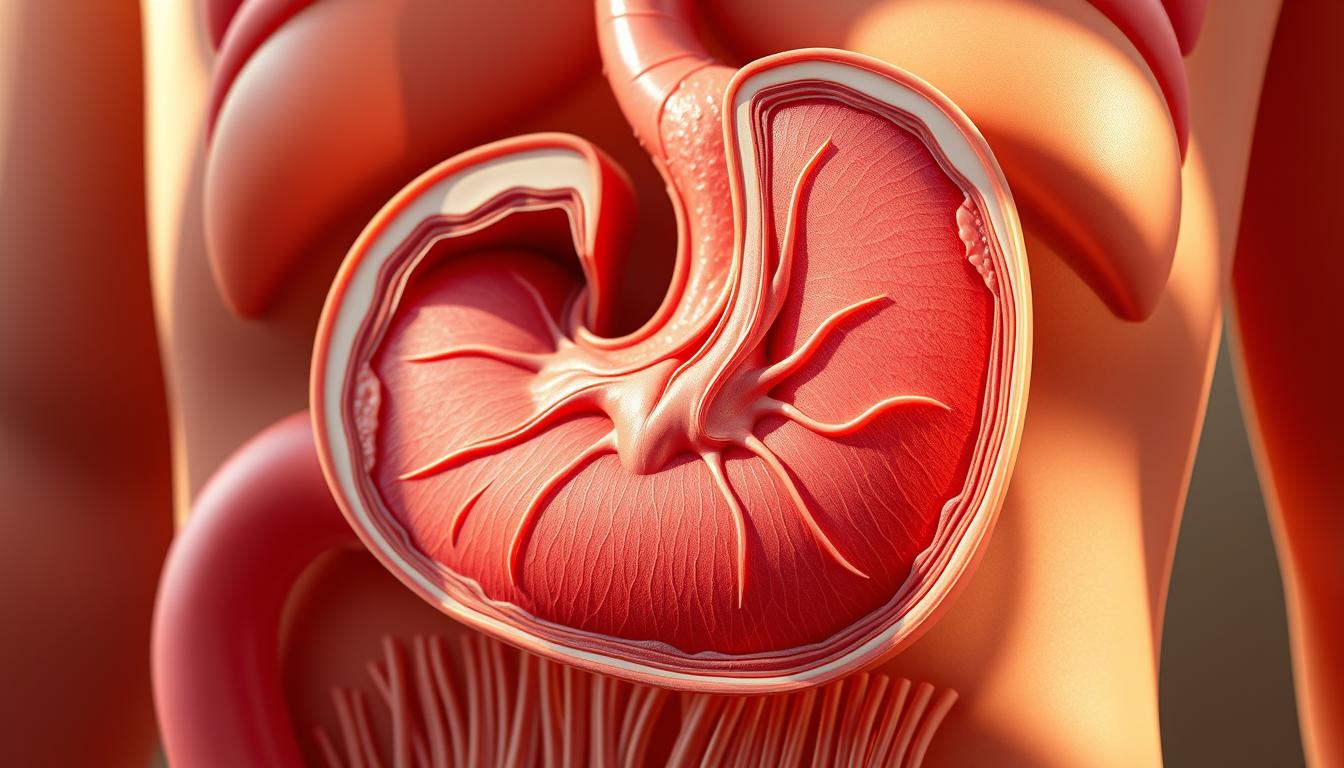
by The cardia anatomy is a key spot where the esophagus and stomach meet. It’s very important for our stomach’s health and any problems it might have.
Immature lymphocytes in this area are very interesting. They play a big role in our immune system.
Knowing about these cells helps us understand how our body fights off infections in the gastrointestinal tract.
Seeing immature lymphocytes in the cardia of Stomach shows us a complex immune system. It’s something we need to study more.
The Fundamentals of Lymphocytes
Lymphocytes are vital to our immune system. They help our body fight off infections. These cells are important for remembering and fighting off pathogens.
Definition and Classification of Lymphocytes
Lymphocytes are a key part of our immune system. They are mainly divided into three types: B cells, T cells, and natural killer (NK) cells. B cells make antibodies, while T cells fight off infections directly. NK cells help by killing tumor cells and virus-infected cells.
Primary Functions in Immune Defense
Lymphocytes play a big role in keeping us safe from infections. Their main jobs are to fight off infections and remember them for the future.
Humoral Immunity
Humoral immunity is about making antibodies by B cells. These antibodies mark and destroy specific invaders. This is key for fighting off toxins and pathogens.
Cell-Mediated Immunity
Cell-mediated immunity is about T cells directly attacking infected cells. They also send signals to start the immune response. This is important for fighting off viruses and tumors.
In short, lymphocytes are vital for our immune system. They help us fight off infections and remember them. Knowing how they work helps us understand how our body defends itself.
Developmental Stages of Lymphocytes
It’s important to know how lymphocytes develop to understand the immune system. Lymphocytes are white blood cells that help fight off infections. They start as stem cells in the bone marrow and go through many stages to become ready to fight.
Lymphopoiesis: From Stem Cells to Mature Cells
Lymphopoiesis is a detailed process starting with stem cells in the bone marrow. These stem cells turn into lymphoid progenitor cells. Then, they become B cells, T cells, and natural killer (NK) cells.
The paths B cells and T cells take are different. They need special places to grow and develop.
Microenvironmental Factors Affecting Development
Many things affect how lymphocytes grow, like cytokines, growth factors, and cell-cell interactions. For example, B cells grow in the bone marrow. T cells, on the other hand, mature in the thymus.
These places are key for lymphocytes to grow right and become ready to fight.
Maturation Markers and Checkpoints
Lymphocytes go through many stages of growth, each with its own markers and checks. B cells, for instance, show different surface antigens at different times, like CD19 and CD20. These markers help us tell when a B cell is young or ready.
There are also checkpoints, like the pre-B cell receptor checkpoint. These make sure only lymphocytes with good antigen receptors can grow up.
In short, lymphocytes grow through a mix of cell changes, environmental effects, and markers. Knowing this helps us understand how the immune system works and how it might not work right, like in cardia disorders.
Morphological Characteristics of Immature Lymphocytes
It’s key to know the looks of immature lymphocytes to spot and study immune issues, like cardia cancer. These cells have special traits that help us identify and study them.
Cytological Features
Immature lymphocytes have unique looks that set them apart from grown-up cells. These traits help us grasp their growth and role.
Nuclear Characteristics
The nucleus of an immature lymphocyte is big and its chromatin can vary. As HORIBA points out, “immature cells can be spotted by their size and shape,” including their nucleus.
Cytoplasmic Properties
The cytoplasm of these cells is thin and might have special parts that show their stage of growth. Some cytoplasmic traits are big clues to the cell’s youth.
Size and Structural Variations
Immature lymphocytes come in all sizes and shapes, which helps us tell them apart. Experts say these differences are vital for seeing how these cells grow.
As
“the looks of lymphocytes are key to knowing their growth and work”
, getting these differences right is important for both research and medical diagnosis.
Molecular and Immunophenotypic Markers
Molecular and immunophenotypic markers are key in telling immature lymphocytes apart from mature ones. They help us understand how lymphocytes grow and what they can do.
Surface Antigens Specific to Immature Lymphocytes
Immature lymphocytes have special surface antigens that mark them. CD34 and CD10 are markers for immature B lymphocytes, as Medical News Today points out. Knowing if these antigens are present helps us see where a lymphocyte is in its development.
Intracellular Markers
Inside the cell, there are markers too. Terminal deoxynucleotidyl transferase (TdT) is one such marker found in immature lymphocytes. It plays a role in V(D)J recombination, a key step in lymphocyte development.
Genetic Expression Patterns
How genes are turned on and off in immature lymphocytes tells us a lot. Different genes are active at different stages of development. For example, certain transcription factors are needed for a lymphocyte to mature.
| Marker Type | Examples | Significance |
|---|---|---|
| Surface Antigens | CD34, CD10 | Identification of immature B lymphocytes |
| Intracellular Markers | TdT | Involved in V(D)J recombination |
| Genetic Expression | Specific transcription factors | Influences lymphocyte maturation and function |
B-Cell Development and Immaturity Indicators
Understanding B-cell development is key to knowing how our immune system works. It involves several stages, from pre-B cells to mature B-lymphocytes. Each stage has its own role and function.
Pre-B and Immature B-Cell Characteristics
Pre-B cells are the first step towards becoming B-lymphocytes. They go through big changes as they develop. Immature B-cells have specific surface antigens and can’t fully fight off pathogens yet.
Functional Limitations of Immature B-Cells
Immature B-cells can’t do as much as mature ones. They are more likely to stop working if they find self-antigens. This helps prevent our body from attacking itself.
Transition to Mature B-Lymphocytes
When B-cells mature, they can fight off many different pathogens. They change their surface receptors and how they send signals inside the cell. This makes them fully ready to work.
The journey of B-cells is carefully controlled. Knowing how it works helps us understand immune problems. It also guides us in finding new treatments, like for cardia treatment.
T-Cell Maturation Process
The thymus is key in T-cell maturation. It teaches them to tell self from non-self. This is essential for a strong immune system.
Thymic Education of T-Cells
Thymic education picks T-cells that can spot antigens but not attack self. It’s a tough selection that weeds out T-cells that might harm the body.
Double-Positive and Single-Positive Stages
T-cells start as double-positive, showing both CD4 and CD8 markers. Then, they become single-positive, showing only CD4 or CD8. This is when they really start to work.
Functional Capabilities of Immature T-Cells
Young T-cells can’t fight off antigens well. But as they grow up, they learn to recognize and fight specific threats. They become a big part of the immune system.
Learning about T-cell maturation helps us understand how the immune system works. More research could lead to new ways to treat immune problems.
The Cardia of Stomach: Anatomical and Histological Features
The cardia of the stomach is a key area. It connects the esophagus to the stomach. Its unique features are important for its function.
Precise Anatomical Location
The cardia is where the esophagus meets the stomach. It’s anatomically distinct. This spot is key for understanding how it works and any problems it might have.
Microanatomical Organization
The cardia has several layers. Each layer has its own role. The epithelial layer is the innermost, followed by the lamina propria and the muscularis mucosae.
Epithelial Layer Characteristics
The epithelial layer is made of columnar cells. These cells make mucus. The mucous secretion protects the lining from acid and enzymes.
Submucosal Structures
Under the epithelial layer is the submucosa. It has blood vessels, lymphatic vessels, and nerves. These submucosal structures help nourish and innervate the epithelial layer.
Physiological Functions
The cardia is important for stomach function. It acts as a functional sphincter. It controls food going into the stomach and stops stomach contents from going back up.
Lymphatic System in the Gastrointestinal Tract
The lymphatic system in the gut is key for keeping the immune system balanced. It helps fight off harmful invaders and keeps the gut healthy.
Organization of Gut-Associated Lymphoid Tissue
Gut-associated lymphoid tissue (GALT) is a vital part of the gut’s lymphatic system. It includes Peyer’s patches, lymphoid follicles, and isolated lymphoid cells. GALT helps the body fight off germs in the gut.
The structure of GALT is complex. It involves different cells and structures working together. Peyer’s patches are important for catching and starting to fight off germs.
Lymphatic Drainage Patterns
Lymphatic drainage in the gut is important for removing germs and harmful substances. The lymphatic vessels carry these away to the mesenteric lymph nodes. From there, they go to the bloodstream.
Knowing how lymphatic drainage works helps us understand how the gut fights off infections. Good lymphatic drainage stops harmful stuff from building up.
Immune Surveillance Mechanisms
Immune surveillance in the gut involves many immune cells and structures. The lymphatic system is key in this process. It helps find and fight off germs.
| Mechanism | Description |
|---|---|
| Antigen Sampling | The process by which antigens are taken up by immune cells for presentation to T-cells. |
| Immune Cell Activation | The activation of immune cells, such as T-cells and B-cells, in response to antigen presentation. |
| Cytokine Production | The production of cytokines, which are signaling molecules that facilitate immune responses. |
Good immune surveillance is essential for keeping the gut healthy and preventing infections. The lymphatic system in the gut is vital for this.
Distribution of Immature Lymphocytes in the Cardia of Stomach
The cardia, a key area between the esophagus and stomach, is vital for immune balance. It helps keep the body’s immune system in check.
Normal Lymphocyte Population Patterns
In a healthy body, the cardia has a certain pattern of lymphocytes. Immature lymphocytes are found in the lamina propria and spread across the epithelial layer. The presence of these cells is essential for the initiation of immune responses. The balance between different lymphocyte subsets is key.
Age-Related Variations
As people age, the cardia’s lymphocyte distribution changes. Younger people have more immature lymphocytes than older adults. This variation is thought to be related to the gradual decline in immune function with age. Knowing this helps in diagnosing and managing immune disorders.
Functional Significance in Gastric Immunity
Immature lymphocytes in the cardia are vital for stomach immunity. They help recognize and fight off pathogens.
“The cardia’s immune function is critical in protecting against infections and maintaining the integrity of the gastric mucosa.”
The role of immature lymphocytes in this area is very important. They help defend the body against infections.
In summary, the cardia’s lymphocyte distribution is complex and age-dependent. Understanding this is key to grasping stomach immunity. It also helps in finding treatments for immune diseases.
Mucosal Immunity in the Gastric Environment
The gastric mucosa has evolved special immune defenses to fight off pathogens. This complex immune system is key to keeping a balance. It must tolerate food antigens while defending against harmful microbes.
Specialized Immune Adaptations
The gastric mucosa has unique immune cells and structures for protection. It includes lymphoid cells and immune molecules to neutralize pathogens.
The mucosa-associated lymphoid tissue (MALT) is vital in the gastric environment. It helps organize immune responses against ingested pathogens.
Interaction with Gastric Secretions
Gastric secretions, like hydrochloric acid and digestive enzymes, make it hard for many pathogens to survive. Yet, some microbes have found ways to live in this acidic world.
The interaction between gastric secretions and the immune system is complex. The acidic environment helps reduce pathogens, but the immune system must stay alert to detect and fight any remaining microbes.
Barrier Function and Protection
The gastric mucosa is a critical barrier against pathogens, stopping them from invading deeper tissues. It produces mucus and has immune cells to eliminate pathogens.
| Component | Function |
|---|---|
| Mucus | Traps pathogens and prevents their adherence to the epithelial surface |
| Immune Cells | Recognize and eliminate pathogens |
| Gastric Secretions | Create an acidic environment that is inhospitable to many pathogens |
In conclusion, the mucosal immunity in the gastric environment is complex. It involves special immune adaptations, interactions with gastric secretions, and a strong barrier function. Understanding these aspects is key to grasping the immune dynamics in the gastric mucosa.
Pathological Alterations in Lymphocyte Populations
Changes in lymphocytes can upset the immune system’s balance. Lymphocytes are key to our immune defense. When they don’t work right, it can cause many health problems.
Inflammatory Conditions and Lymphocyte Response
Inflammatory diseases can affect lymphocytes a lot. When inflammation happens, lymphocytes get ready to fight off invaders or heal injuries. They grow and change into cells that help stop the inflammation.
Key aspects of lymphocyte response during inflammation include:
- Activation of lymphocytes by antigens
- Proliferation and differentiation into effector cells
- Production of cytokines and chemokines to coordinate the immune response
Neoplastic Transformations
Changes in lymphocytes can cause lymphomas or leukemias. These are cancers where lymphocytes grow out of control.
Lymphoma Development
Lymphomas are cancers that start in lymphocytes. They can be different types, depending on the cell and its stage.
Leukemic Infiltration
Leukemic infiltration happens when bad lymphocytes spread to other tissues and organs. This messes up their work.
Autoimmune Manifestations
Autoimmune diseases happen when the immune system gets confused. It starts attacking itself, causing damage and diseases.
| Condition | Description | Impact on Lymphocytes |
|---|---|---|
| Inflammatory Conditions | Activation of immune response | Proliferation and differentiation |
| Neoplastic Transformations | Development of lymphomas or leukemias | Uncontrolled proliferation |
| Autoimmune Diseases | Failure to distinguish self from non-self | Activation of autoreactive lymphocytes |
In conclusion, changes in lymphocytes can cause many problems. This includes inflammatory diseases, cancers, and autoimmune diseases. Knowing about these changes helps doctors diagnose and treat these issues.
Helicobacter pylori Infection and Lymphocyte Dynamics
Helicobacter pylori infection greatly affects lymphocytes in the stomach. This bacterium causes chronic gastritis and is linked to gastric MALT lymphoma.
Acute Immune Response to Infection
The first reaction to Helicobacter pylori is the activation of immune cells like lymphocytes. The early phase sees many neutrophils and lymphocytes moving into the stomach lining.
This immune response is key in deciding the infection’s outcome. Some people can get rid of the bacteria, while others face chronic infection.
Chronic Inflammation and Lymphoid Follicle Formation
Long-term Helicobacter pylori infection causes ongoing inflammation. It also leads to the growth of lymphoid follicles in the stomach lining. These follicles show a long-term immune response and can lead to severe stomach problems.
Lymphoid follicles are a sign of chronic gastritis. They also raise the risk of getting gastric lymphoma.
Impact on Lymphocyte Maturation and Function
Helicobacter pylori infection can change how lymphocytes mature and work. The constant fight against the bacteria can cause problems in lymphocyte development and function. This might help in the growth of lymphoproliferative disorders.
It’s important to understand how Helicobacter pylori affects lymphocytes. This knowledge helps in finding better treatments for stomach diseases linked to the infection.
Gastric MALT Lymphoma: Role of Immature Lymphocytes
Immature lymphocytes are key in gastric MALT lymphoma, a stomach cancer. This cancer grows because of these cells in the stomach’s lining. It often starts with Helicobacter pylori infection.
Pathogenesis and Cellular Origin
The growth of gastric MALT lymphoma is a mix of the body’s immune response and the infection. Chronic infection builds up lymphoid tissue in the stomach lining. This can turn into lymphoma. The cancer starts from marginal zone B cells.
Transformation from Reactive to Neoplastic Lymphocytes
The change from normal to cancerous lymphocytes is key in gastric MALT lymphoma. This change happens through genetic changes. These changes help the cells grow without control.
Diagnostic Criteria and Staging
Diagnosing gastric MALT lymphoma uses symptoms, tissue tests, and molecular tests. Staging shows how far the disease has spread. This helps decide the best treatment.
Treatment Approaches and Outcomes
Treating gastric MALT lymphoma often starts with getting rid of H. pylori. This can make the lymphoma go away in many cases. If antibiotics don’t work, other treatments like chemo or radiation might be used.
A study shows that H. pylori treatment is key in treating gastric MALT lymphoma. Many patients get better after this treatment.
This shows how important it is to treat the cause of gastric MALT lymphoma.
Advanced Diagnostic Techniques for Lymphocyte Assessment
Advanced diagnostic techniques are key for accurately checking lymphocytes. They have changed immunology, helping us diagnose and treat immune issues better.
Endoscopic Sampling Methods
Endoscopic sampling is a vital method for getting tissue from the GI tract, like the cardia area. It lets us see lymphocytes in their natural setting.
Benefits of Endoscopic Sampling:
- It’s a minimally invasive way to get samples.
- It gives direct access to the area of interest.
- It allows for tissue samples for detailed examination.
Flow Cytometry Applications
Flow cytometry is a powerful tool for studying lymphocytes. According to HORIBA, it’s essential for lymphocyte assessment. It helps us understand different lymphocyte types and their functions.
Key Applications:
- It helps identify lymphocytes by their characteristics.
- It shows if lymphocytes are active.
- It finds unusual lymphocyte groups.
Molecular and Genetic Testing
Molecular and genetic tests give us deep insights into lymphocytes. Methods like PCR and next-generation sequencing help us study genetic expressions and find genetic issues.
PCR-Based Techniques
PCR is a sensitive method for finding specific DNA sequences. It’s often used to diagnose lymphoproliferative disorders.
Next-Generation Sequencing
Next-generation sequencing (NGS) lets us deeply analyze genomic changes in lymphocytes. It has greatly changed molecular diagnostics.
Imaging Modalities
Imaging tools, like PET/CT scans, are vital for checking lymphocyte-related issues. They help us see lymphoid tissues and spot problems.
| Diagnostic Technique | Application | Benefits |
|---|---|---|
| Endoscopic Sampling | Tissue sampling from GI tract | Minimally invasive, direct access |
| Flow Cytometry | Lymphocyte characterization | Multiparameter analysis, high sensitivity |
| Molecular Testing | Genetic analysis | High specificity, detection of minimal residual disease |
“The integration of advanced diagnostic techniques has significantly improved our understanding of lymphocyte biology and its role in various diseases.”
Clinical Implications and Management Strategies
It’s key to know how immature lymphocytes affect treatment for cardia. Their presence and type can change how we care for patients.
Prognostic Significance of Immature Lymphocyte Patterns
Immature lymphocyte patterns in the stomach’s cardia are very important. They can tell us about a patient’s future health. Some patterns might mean a higher risk of stomach cancer.
Therapeutic Interventions
There are many ways to treat conditions with immature lymphocytes in the cardia.
Targeted Immunotherapies
Targeted immunotherapies are a new and hopeful treatment. They aim to manage conditions with immature lymphocytes more effectively.
Conventional Treatment Approaches
Older treatments like chemotherapy and radiation are also key. They play a big role in managing some conditions.
Monitoring and Follow-up Protocols
Keeping an eye on patients with immature lymphocytes is vital. Regular check-ups and biopsies help spot any changes in lymphocytes.
Understanding immature lymphocyte patterns and using the right treatments can help improve patient care.
Current Research and Future Directions
Recent studies have greatly improved our knowledge of the stomach’s immune system. As we dive deeper into the stomach’s immune system, new paths for research and treatment are opening up.
Emerging Concepts in Gastric Immunology
The study of the stomach’s immune system is quickly growing. We’re now focusing more on how the immune system and stomach lining work together. Key areas of research include the role of immune cells in the stomach, the effects of Helicobacter pylori, and new treatments.
- Investigating the immunological mechanisms underlying gastric diseases
- Exploring the impact of immunotherapy on stomach cancers
- Understanding how the gut microbiome affects stomach immunity
Novel Therapeutic Targets
As we learn more about the stomach’s immune system, we find new targets for treatment. Promising areas include developing targeted immunotherapies and improving the gut’s immune system.
Translational Research Applications
Turning basic research into practical treatments is key for moving forward in gastric immunology. Future directions include personalized medicine and using the latest technology in healthcare.
Conclusion
Immature lymphocytes in the stomach’s cardia show how well our immune system works. They help fight off harmful substances and infections.
Knowing how these cells grow, spread, and work is key. It helps doctors spot and treat stomach problems. This includes issues caused by Helicobacter pylori and gastric MALT lymphoma.
The way immature lymphocytes interact with the stomach’s environment is complex. More research is needed. It will help us understand how to keep the stomach healthy and prevent diseases.
Studying these cells can lead to better ways to diagnose and treat stomach issues. This will help improve health outcomes for patients.