 by
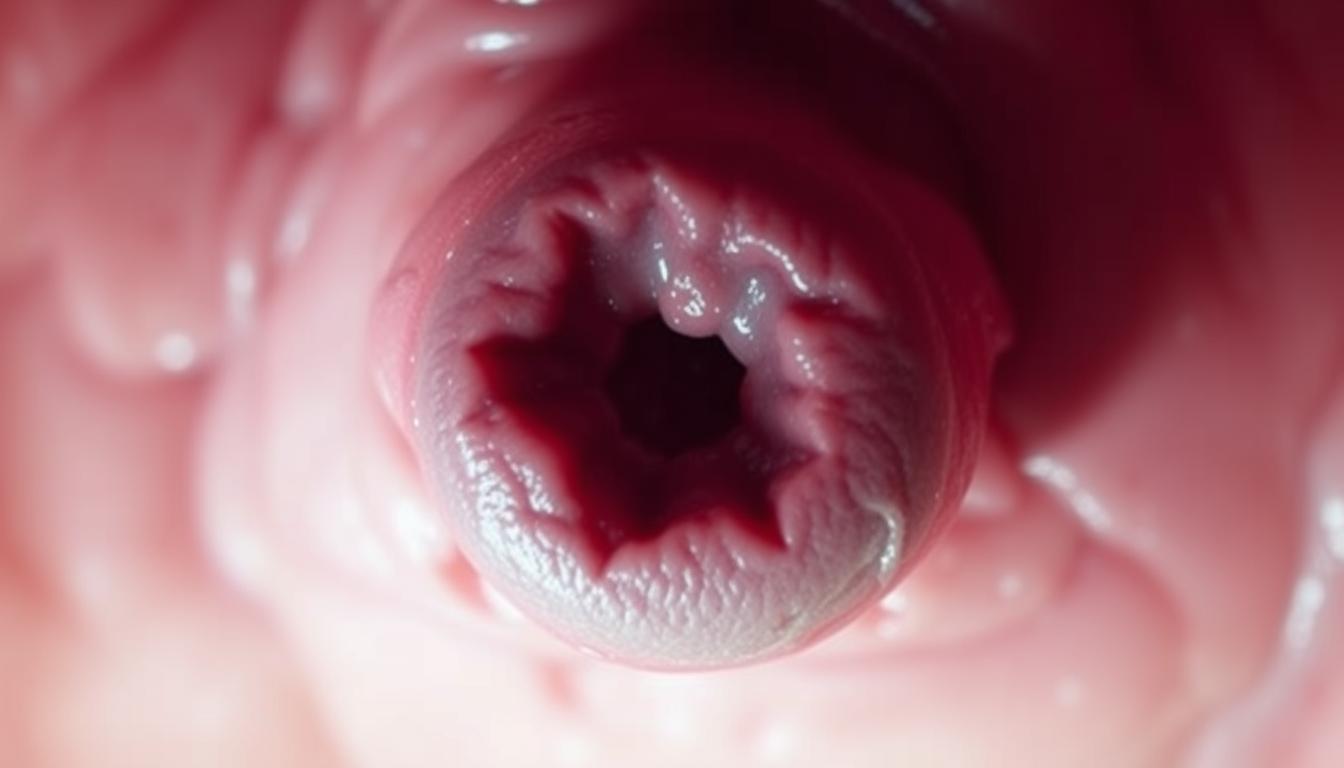
by Curling’s Ulcer is a serious condition that happens after severe burns. It causes the stomach lining to erode. Severe burns can lead to a drop in blood volume, causing stomach damage.
Using algorithmic logic in medicine can really help patients. It helps doctors understand and treat conditions like Curling’s Ulcer better. This way, they can give patients the best care possible.
This introduction will dive deep into Curling’s Ulcer. We’ll look at its causes, how to diagnose it, and treatment options. We’ll also see how computational logic can improve patient care.
Understanding Curling’s Ulcer
It’s key for healthcare workers to know about Curling’s Ulcer when dealing with severe burns. This condition is linked to burns and affects patient results a lot.
Definition and Historical Context
Curling’s Ulcer was first noted in 1823. It was named after Thomas Blizard Curling in 1842. He documented ten cases. These ulcers were a big problem back then, happening in more than 10% of burn cases.
The history of Curling’s Ulcer shows it’s a serious issue. It’s been known for almost two hundred years.
Prevalence and Significance in Modern Medicine
Even with better medical care, Curling’s Ulcer is a big worry today. Its common occurrence shows we need to stay alert and have good ways to handle it in burn care. Modern medicine has learned a lot about it, but it’s a key part of caring for burn patients.
| Year | Prevalence of Curling’s Ulcer | Significance |
|---|---|---|
| 1823 | First described | Initial recognition |
| 1842 | Documented cases | Named after Thomas Blizard Curling |
| Modern Era | Continues to be a concern | Ongoing relevance in burn care |
The table shows how important Curling’s Ulcer is, both then and now. Knowing its history and how common it is helps us understand the challenges it brings to modern medicine.
Pathophysiology of Curling’s Ulcer
Understanding the pathophysiology of Curling’s ulcer is key to caring for burn patients. This ulcer is a serious issue that happens because of the body’s stress response to severe burns. It damages the stomach lining.
Mechanism of Ulcer Formation
Curling’s ulcer forms when the mucosal barrier is broken. This leads to many small tears in the stomach lining. This damage comes from the body’s stress response, which affects blood flow and causes injury when blood returns to the area.
Relationship to Burn Injuries
Curling’s ulcer is linked to how severe the burns are. Risks include severe burns, being on a ventilator for over 48 hours, blood clotting problems, and sepsis.
Severity Correlation
The severity of burns is directly tied to the risk of getting Curling’s ulcer. People with big burns face a higher risk because of the strong body stress response.
Timeframe of Development
Curling’s ulcer usually shows up in the first few weeks after a burn. How soon it appears depends on the burn’s severity and the patient’s health.
Knowing how Curling’s ulcer works and when it shows up is vital for catching it early. It shows the need for computational logic in dealing with complex health issues.
Primary Causes of Curling’s Ulcer
The main reasons for Curling’s ulcer include severe burns, physiological stress response, and reduced mucosal blood flow. Knowing these factors helps in preventing and treating Curling’s ulcer.
Severe Burns and Thermal Injuries
Severe burns, covering 30% or more of the body, often cause Curling’s ulcer. These injuries trigger a body-wide response that weakens the stomach lining. The burn’s severity determines the ulcer risk.
Physiological Stress Response
Severe burns lead to a strong stress response in the body. This response releases stress hormones like cortisol and adrenaline. These hormones can cause blood vessels to narrow, reducing blood flow to the stomach lining and increasing ulcer risk.
Reduced Mucosal Blood Flow
Less blood flow to the stomach lining is a key factor in Curling’s ulcer. This reduced flow hinders oxygen and nutrient delivery, making the lining more prone to damage. The stress response from burns can worsen this blood flow issue.
In summary, Curling’s ulcer is mainly caused by severe burns and the body’s stress response. Understanding these causes is vital for creating effective prevention and treatment plans.
Secondary Contributing Factors
Many secondary factors play a role in Curling’s Ulcer. These can make the condition worse and affect how well a patient does.
Acid Hypersecretion
Acid hypersecretion is a big problem in Curling’s Ulcer. Too much stomach acid can hurt the lining of the stomach more and slow healing. It’s very important to manage acid hypersecretion well to avoid serious issues.
Reduced Bicarbonate Production
Less bicarbonate production also makes Curling’s Ulcer worse. Bicarbonate helps balance stomach acid; without enough, the acid can damage more. Keeping bicarbonate levels up is key to preventing ulcers.
Ischemia-Reperfusion Injury
Ischemia-reperfusion injury is another big factor in Curling’s Ulcer. It happens when blood flow returns to tissue after a time without blood, causing inflammation and damage. Knowing about this injury helps in designing better treatment plans for Curling’s Ulcer.
These secondary factors show how complex Curling’s Ulcer is. By tackling these issues, doctors can create better treatments.
Risk Factors for Developing Curling’s Ulcer
Knowing the risk factors for Curling’s Ulcer can help improve patient care. Several factors can increase the chance of getting this condition.
Extent of Burns (TBSA Percentage)
The size of burns is a big risk factor. Burns that cover more of the body are more likely to cause Curling’s Ulcer. Burns over 30% of the body’s surface raise the risk a lot.
Pre-existing Gastrointestinal Conditions
Having stomach or gut problems before can make you more likely to get Curling’s Ulcer. These issues can weaken the stomach lining, making it easier to get ulcers.
Age and Comorbidities
Being older or having other health problems also increases the risk. Older people or those with other health issues are more likely to get Curling’s Ulcer. This is because they have less strength and their stomach lining might be weaker.
| Risk Factor | Description | Impact on Curling’s Ulcer Risk |
|---|---|---|
| Extent of Burns (TBSA %) | Percentage of total body surface area affected by burns | Higher TBSA percentage increases risk |
| Pre-existing GI Conditions | Previous gastrointestinal issues like ulcers or gastritis | Increases susceptibility to ulceration |
| Age and Comorbidities | Older age and presence of other health conditions | Decreases physiological reserve, increasing risk |
Using symbolic logic algorithms can help find patients at high risk. This is done by looking at these factors carefully.
Clinical Manifestations and Diagnosis
Diagnosing Curling’s Ulcer starts with spotting its signs. Knowing the symptoms and how to test for them is key to treating it well.
Symptom Presentation
Curling’s Ulcer shows up with stomach pain, vomiting blood, and black stools. These signs can mean serious bleeding in the gut.
Spotting these signs early is vital to avoid worse problems and help patients get better.
Diagnostic Procedures
To find Curling’s Ulcer, doctors use endoscopy and lab tests. These steps confirm the ulcer and check how bad it is.
Endoscopic Evaluation
Endoscopy lets doctors see the ulcer and where it’s bleeding. It’s a main tool for diagnosing and treating the ulcer.
Laboratory Tests
Lab tests, like a complete blood count (CBC), check how the patient is doing. They also look for any extra problems.
| Diagnostic Method | Purpose |
|---|---|
| Endoscopic Evaluation | Direct visualization of the ulcer |
| Laboratory Tests | Assessment of patient’s condition and detection of complications |
Using formal logic in computing can make reading test results better. This helps doctors make smarter choices.
Complications of Curling’s Ulcer
Severe burns can lead to Curling’s Ulcer, making recovery harder. It’s important to know about its complications to give the best care.
Gastrointestinal Bleeding
Gastrointestinal bleeding is a big problem with Curling’s Ulcer. It can be minor or very serious. Quick action is key to avoid bad outcomes.
Perforation
Perforation is another serious issue. It can cause peritonitis, a deadly condition if not treated fast. Watching closely and acting early is vital.
Impact on Burn Recovery
Complications from Curling’s Ulcer can slow down burn recovery. They can make healing wounds and getting better harder. This shows why care needs to be all-in-one.
Using logical thinking in algorithms helps manage these issues. It leads to quicker detection and treatment plans. This can lessen the problems caused by Curling’s Ulcer.
| Complication | Risk Factors | Management Strategies |
|---|---|---|
| Gastrointestinal Bleeding | Severe burns, stress response | Prompt medical intervention, acid suppression therapy |
| Perforation | Deep ulcers, delayed treatment | Surgical intervention, intensive care |
| Impact on Burn Recovery | Severity of ulcer, comorbidities | Integrated care, nutritional support |
“The management of Curling’s Ulcer requires a multifaceted approach, including prevention, early detection, and treatment of complications.”
Traditional Treatment Approaches
Traditional treatments for Curling’s Ulcer aim to reduce risks and promote healing. They use various medical methods to tackle the condition from different sides. This ensures effective management.
Pharmacological Interventions
Pharmacological interventions are key in managing Curling’s Ulcer. They aim to cut down acid production, protect the mucosa, and aid in healing.
Acid Suppressants
Acid suppressants, like proton pump inhibitors (PPIs) and H2-receptor antagonists, are used to lower gastric acid. These drugs reduce acidity, preventing further irritation and damage. This helps the ulcer heal faster.
Mucosal Protectants
Mucosal protectants are also used in treating Curling’s Ulcer. They create a protective layer over the ulcer, shielding it from acid and irritants. This creates a healing-friendly environment.
Surgical Management When Necessary
When medicines don’t work or complications happen, surgical management might be needed. Surgery can control bleeding, fix perforations, or handle other complications.
The choice between medicines and surgery depends on the condition’s severity, complications, and the patient’s health. Often, a mix of treatments is best. This is guided by algorithm design principles for personalized care.
Preventive Strategies
Preventing Curling’s Ulcer is key in caring for severe burn patients. Good prevention can lower the risk of this condition and better patient results.
Early Enteral Nutrition
Early enteral nutrition is a vital step. It gives patients nutrients through their gut soon after the burn. This keeps the gut lining strong, lowering ulcer risk. Nutritional support should start as soon as possible, ideally within 24-48 hours.
Prophylactic Medication
Prophylactic medication is also important. Histamine-2 (H2) blockers and proton pump inhibitors (PPIs) cut stomach acid, reducing ulcer chance. The right medicine and dose vary by patient and need close watch.
Burn Care Optimization
Improving burn care is critical too. This means good wound care, infection control, and fluid management. Using computational logic-based
With these prevention steps, doctors can lower Curling’s Ulcer risk and better care for burn patients.
Algorithmic Logic in Medical Decision Making
Algorithmic logic has changed how doctors care for patients. It uses computer logic and frameworks to make better decisions. This leads to better health outcomes for patients.
Algorithmic logic helps doctors make smart choices by analyzing data. It’s great for handling complex health issues and improving treatment plans.
Foundations of Computational Logic in Healthcare
Computational logic is key in healthcare decision making. It uses logic to look at medical data, find patterns, and forecast results. This helps doctors make more accurate diagnoses and treatments.
Logical Reasoning Frameworks for Clinical Applications
Logical frameworks are vital for creating effective clinical algorithms. They help doctors organize their decisions, considering all important factors. This way, they can tailor treatments to each patient’s needs.
Evidence-Based Algorithm Design Principles
Using evidence-based design is essential for reliable algorithms. It ensures algorithms are based on the latest medical research. This makes treatments safe and effective for patients.
| Principle | Description | Clinical Benefit |
|---|---|---|
| Data-Driven Decision Making | Using data analytics to inform clinical decisions | Improved diagnostic accuracy |
| Pattern Recognition | Identifying patterns in patient data to predict outcomes | Enhanced predictive modeling |
| Personalized Medicine | Tailoring treatment plans to individual patient needs | Better patient outcomes |
Applying Algorithmic Logic to Curling’s Ulcer Prevention
The use of algorithmic logic in stopping Curling’s Ulcer is a big leap in medical tech. It lets doctors spot at-risk patients and take action early. This is thanks to advanced algorithms and data analysis.
Preventing Curling’s Ulcer with algorithmic logic has several key parts. One important part is making and using risk assessment algorithms.
Risk Assessment Algorithms
These algorithms look at many patient factors. They check the size of burns, health conditions, and other health data. This helps doctors know who needs care most.
Decision Support Systems
Decision support systems are key in preventing Curling’s Ulcer. They give doctors advice based on patient data and the latest medical guidelines. This helps find the best ways to prevent the ulcer.
Predictive Modeling for High-Risk Patients
Predictive modeling helps doctors guess who might get Curling’s Ulcer. It uses past data and current patient info. This way, doctors can act fast to stop problems.
Adding symbolic logic algorithms makes these models even better. They use logical rules to understand complex data. This helps doctors make better choices for their patients.
In short, using algorithmic logic to prevent Curling’s Ulcer is a big win. It uses risk algorithms, decision support, and predictive models. As these tools get better, we’ll see even more ways to help patients.
Symbolic Logic Algorithms in Diagnosis
In medical diagnosis, symbolic logic algorithms are key. They help improve how doctors reason and make decisions. These algorithms look at complex data to find patterns that doctors might miss.
Pattern Recognition in Symptom Presentation
Symbolic logic algorithms are great at recognizing patterns in symptoms. They use big datasets to find links between symptoms and possible diagnoses. This makes doctors’ assessments more accurate.
A study showed these algorithms help find Curling’s ulcer in burn patients better. This is a big deal for diagnosing gastrointestinal disorders.
Diagnostic Decision Trees
Diagnostic decision trees are another big use of these algorithms. They offer a clear way to diagnose, guiding doctors with patient data and symptoms. This method has been shown to cut down on mistakes and improve care.
Formal Logic Applications in Clinical Reasoning
Formal logic is at the heart of these algorithms. It helps them understand complex data and offer insights for treatment. This is vital for making smart clinical decisions.
| Application | Description | Benefits |
|---|---|---|
| Pattern Recognition | Analyzes symptom presentation to identify possible diagnoses | Improved diagnostic accuracy |
| Diagnostic Decision Trees | Offers a structured way to diagnose | Reduced diagnostic errors |
| Formal Logic Applications | Looks at complex data to guide treatment decisions | Enhanced clinical reasoning |
Treatment Optimization Through Logical Thinking in Algorithms
Logical thinking in algorithms has changed how we treat patients. It helps doctors create better plans for each patient. This is thanks to using computers to think logically.
Personalized Treatment Protocols
Personalized treatment plans are a big win for this approach. They use data and models to make plans that fit each patient perfectly. This includes their health history and genes.
A study in the Journal of Clinical Oncology showed great results. It found that using genetic data to guide treatment helped cancer patients more.
“The use of genomic data to guide treatment decisions has the power to change cancer care.”
Medication Dosing Algorithms
Medication dosing algorithms are also key. They figure out the right amount of medicine for each patient. They consider things like age, weight, and how well the kidneys work.
| Patient Characteristics | Algorithmic Considerations | Optimal Dosage |
|---|---|---|
| Age, Weight, Kidney Function | Pharmacokinetic Modeling, Clinical Guidelines | Personalized Dosage Recommendations |
| Genetic Profile, Medical History | Genomic Analysis, Clinical Decision Support | Targeted Therapy Recommendations |
Outcome Prediction Models
Outcome prediction models forecast how a patient will do. They use past data and current health info. This helps doctors spot and help patients at risk early.
Using algorithms to improve treatment plans is a game-changer. It leads to better health outcomes, saves money, and makes care better overall.
Challenges and Limitations of Algorithmic Approaches
Algorithmic methods in managing Curling’s ulcer show promise. Yet, several challenges and limitations need to be tackled. These methods could improve prevention and treatment. But, their use is limited by various obstacles.
Data Quality and Availability Issues
Ensuring quality and availability of data is a major challenge. Algorithms need good data to work well. But, data on Curling’s ulcer might be scarce or not reliable.
Implementation Barriers in Clinical Settings
Implementation barriers in clinics are a big limitation. Adding these methods to healthcare systems is hard. It needs tech setup and training for doctors, which takes time.
Ethical Considerations in Algorithmic Medicine
There are also ethical considerations in using algorithms in medicine. Issues like bias, privacy, and who’s accountable must be handled. This ensures these methods are used right.
Future Directions in Curling’s Ulcer Management
The management of Curling’s Ulcer is set for big changes with new technologies and logic. Research is finding out more about this condition. This leads to new ways to help patients get better.
Emerging Technologies
New technologies are key in improving Curling’s Ulcer care. Advanced wound care technologies and personalized medicine approaches are being looked into. For example, artificial intelligence is being used to predict patient results and customize treatments.
A recent study found that “The integration of AI in healthcare has shown promising results in improving patient care and outcomes”
“AI-driven diagnostic tools can significantly reduce the time to diagnosis and improve the accuracy of Curling’s Ulcer detection”
Research Priorities
Research is focusing on the causes of Curling’s Ulcer and finding new treatments. Key areas include:
- The role of mucosal blood flow in ulcer formation
- The impact of pre-existing gastrointestinal conditions on Curling’s Ulcer development
- The benefits of early enteral nutrition in prevention
Integration of Advanced Computational Logic
Advanced computational logic is changing Curling’s Ulcer management. Predictive modeling and decision support systems are being created. These tools use complex algorithms to analyze data and offer personalized advice.
Experts say, “The future of Curling’s Ulcer management is in combining technology and clinical practice. This will lead to better patient results and care quality.”
Conclusion
Algorithmic logic is changing how we manage Curling’s Ulcer. It helps us understand and treat this condition better. This is a big step forward in taking care of patients.
With algorithmic logic, we can create treatments that fit each patient’s needs. It also helps us predict outcomes and make better decisions. This leads to better care for everyone.
As technology gets better, so will our ability to manage Curling’s Ulcer. Healthcare workers are using new methods to improve burn care. This means fewer complications and a better life for patients.
The future of treating Curling’s Ulcer looks bright. It will rely on more advanced technology and logic. This is good news for those at risk of this condition.