 by
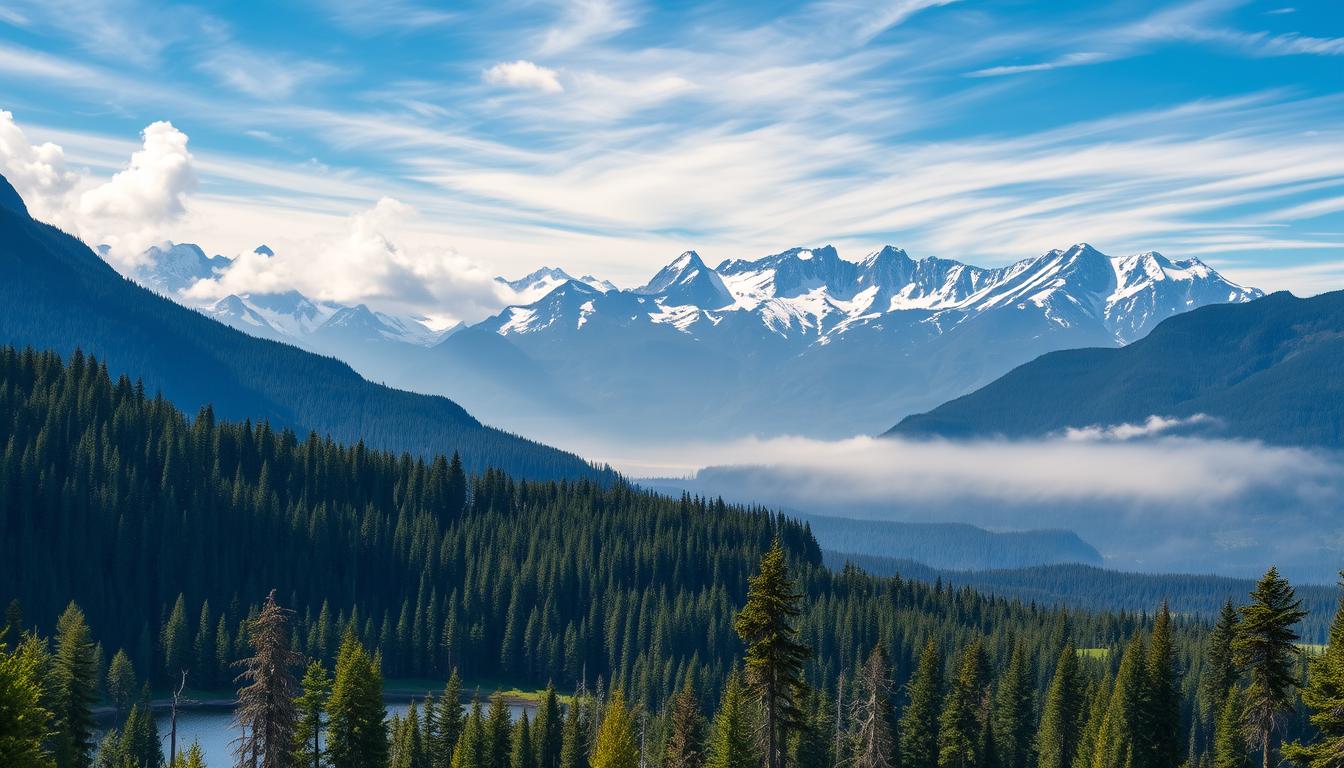
by The Cascade Range in the Pacific Northwest USA is a stunning mountain range. It’s known for its breathtaking landscapes, volcanic peaks, and diverse outdoor activities.
This mountain range stretches across the region, blending natural beauty with adventure. The Pacific Northwest boasts some of the most spectacular scenery in the United States. It’s a favorite spot for tourists and outdoor lovers.
The map of the Cascade Range is a key resource. It helps us understand the region’s geography and its many attractions.
The Cascade Range: Geographic Profile and Significance
The Cascade Range stretches from British Columbia’s snowy peaks to Northern California’s volcanic mountains. It’s a diverse and complex mountain system. Known for its snowcapped mountains, it’s key to the Pacific Northwest’s geography.
Geographic Extent and Boundaries
The Cascade Range is over 700 miles long. It’s a major feature in the Pacific Northwest. It starts in British Columbia, Canada, and ends in Northern California, USA.
From British Columbia to Northern California
The range starts in British Columbia, Canada, with mountains like Mount Garibaldi. It then goes through Washington and Oregon before reaching Northern California.
Major Geographic Divisions
The Cascade Range has several divisions. These include the North Cascades, the Oregon Cascades, and the volcanic peaks of Northern California. Each has its own geological features and ecosystems.
| Division | Location | Notable Features |
|---|---|---|
| North Cascades | Washington State | Glaciers, Snowcapped Peaks |
| Oregon Cascades | Oregon State | Volcanic Peaks, Forested Slopes |
| Northern California Cascades | Northern California | Lassen Peak, Volcanic Landscapes |
Significance in North American Geography
The Cascade Range is not just known for its snowcapped mountains. It also shapes the climate and ecosystems of North America. It affects weather, creates habitats for wildlife, and is a source of major rivers.
Its volcanic activity makes it even more significant. Volcanoes like Mount St. Helens and Mount Rainier stand out. The range’s diverse ecosystems support a wide range of plants and animals. This makes it a key area for conservation efforts.
Geological Formation and Volcanic History
Volcanic peaks make up the Cascade Range. This is due to millions of years of geological activity. The range’s formation is complex, involving several tectonic plates.
Tectonic Forces and Subduction Zones
The Cascade Range is shaped by the subduction of the Juan de Fuca plate under the North American plate. This has created a chain of volcanoes called the Cascade Volcanic Arc. The subduction zone is key to the region’s volcanic activity and earthquakes.
“The volcanic activity in the Cascade Range is a direct result of tectonic forces,” geologists say.
Timeline of Major Geological Events
Prehistoric Development
The Cascade Range’s early days saw a lot of volcanic activity. Many eruptions shaped the landscape. This period formed many of the range’s famous volcanic peaks.
Recent Geological Activity
Today, the Cascade Range is active with eruptions and earthquakes. Mount St. Helens’ 1980 eruption is a clear example of this ongoing activity.
The Cascade Range’s history shows it’s always changing. Ongoing processes continue to shape the region.
The Cascade Volcanic Arc: Understanding the Fire Below
The Cascade Volcanic Arc stretches from British Columbia to Northern California. It’s home to some of North America’s most famous volcanic peaks. This chain of volcanoes forms due to the Juan de Fuca plate subducting under the North American plate, causing a lot of geological activity.
Active Volcanoes and Monitoring Systems
The Cascade Volcanic Arc has many active volcanoes, like Mount St. Helens. It’s one of the most studied volcanoes globally. The United States Geological Survey (USGS) and other agencies watch these volcanoes closely.
They use advanced systems like seismic networks and gas monitoring. These tools help predict eruptions and lessen their effects on nearby communities.
Historical Eruptions and Their Impact
Historical eruptions in the Cascade Volcanic Arc have greatly affected the environment and people. The region’s volcanic history is filled with catastrophic events that have changed the landscape.
Mount St. Helens 1980 Eruption
The 1980 eruption of Mount St. Helens was a major volcanic event in the U.S. It caused widespread destruction, including the loss of 57 human lives and thousands of animals. It also changed the surrounding landscape, creating new landforms.
Other Significant Volcanic Events
Other notable volcanic events in the Cascade Range include eruptions of Mount Hood and Mount Baker. While less destructive than Mount St. Helens, they also had big environmental impacts.
The Cascade Volcanic Arc remains a region of ongoing geological activity. Understanding volcanic processes here is key to managing eruption risks.
- Advanced monitoring systems help predict volcanic eruptions.
- Historical eruptions have significantly impacted the environment and human populations.
- Ongoing volcanic activity poses continued risks and challenges for the region.
Major Peaks of the Northern Cascades
The Northern Cascades are famous for their stunning snowcapped mountains. They offer breathtaking views and many outdoor activities. This area is home to Mount Baker and Glacier Peak, two of the most impressive peaks.
Mount Baker and Glacier Peak
Mount Baker and Glacier Peak are two top volcanoes in the Northern Cascades. They are known for their tough climbing routes and beautiful glacial landscapes.
Unique Features and Access
Mount Baker is famous for its prominent glaciated summit, with over 16 glaciers. Glacier Peak is called the “wild” volcano because of its remote location and tough terrain. Both offer unique adventures for adventure seekers.
Climbing and Recreation
Climbing Mount Baker and Glacier Peak needs experience and preparation. The terrains are challenging, and the weather can be unpredictable. But, the views are breathtaking, and you get to see some of the Pacific Northwest’s most untouched landscapes.
North Cascades National Park Highlights
North Cascades National Park is a treasure trove of natural beauty. It has rugged peaks, glacial lakes, and diverse wildlife. The park is great for outdoor activities like hiking, camping, and wildlife watching.
Visitors can explore trails like the Chain Lakes Trail and the Maple Pass Loop. These trails offer amazing views of mountains and valleys.
Mount Rainier: Crown Jewel of the Pacific Northwest
Mount Rainier is a treasure in the Pacific Northwest. It combines nature’s beauty, icy grandeur, and adventure. It’s a top spot for those who love the outdoors and nature.
Ecology and Glacial Systems
Mount Rainier is known for its rich ecosystems and icy systems. It has a wide variety of plants and animals. This is thanks to its changing climate and geography.
Largest Glacial System in Continental US
It has the biggest glacial system in the US. Over 35 square miles are covered in ice. This ice is key to the mountain’s water cycle.
Ecological Zones and Biodiversity
The mountain has different zones, from rainforests to alpine meadows. These zones support a wide range of life. Many species found here are unique to this area.
Climbing Routes and Visitor Information
Mount Rainier has many climbing paths for all skill levels. There are easy hikes and tough climbs. Visitors can also check out the mountain’s facilities and centers.
Popular Climbing Routes
The Disappointment Cleaver Route is a favorite. It’s tough but offers amazing views. Each route has its own challenge and beauty.
Visitor Centers and Facilities
The park has visitor centers and facilities. They offer important info and help. These places help visitors learn about the mountain’s history and nature.
| Climbing Route | Difficulty Level | Duration |
|---|---|---|
| Disappointment Cleaver Route | Moderate to Difficult | 2-3 days |
| Emmons Glacier Route | Difficult | 3-4 days |
| Liberty Ridge Route | Very Difficult | 3-4 days |
Mount St. Helens: Destruction and Rebirth
On May 18, 1980, Mount St. Helens erupted in a major volcanic event in U.S. history. This eruption was a big deal for understanding volcanoes and how nature can recover.
The 1980 Eruption and Its Aftermath
The eruption was a huge disaster with many effects.
The Catastrophic Event
The blast was so strong it took off the mountain’s top, cutting its height by over 800 feet. It was like a 24-megaton nuclear bomb going off.
Immediate Impact on Landscape
The eruption destroyed forests, melted glaciers, and made new landscapes. The area around the volcano was badly hit, with trees down or dead from ash.
Ecological Recovery and Current Status
Mount St. Helens has become a place to study how nature can come back. Scientists have been watching the area closely.
Scientific Monitoring and Research
Studies show the area is getting better, with new plants and animals coming back. This research helps us understand how nature can heal after big disasters.
Visitor Experience at the Monument
Now, the Mount St. Helens National Monument is a favorite spot for those into geology and ecology. Visitors can see the visitor centers, hike, and see the recovery for themselves.
| Year | Ecological Changes Observed |
|---|---|
| 1980 | Immediate destruction of forests and wildlife habitats |
| 1990 | Initial signs of plant regrowth and return of some wildlife |
| 2000 | Continued ecological recovery, with diverse plant species and increased wildlife activity |
Mount Hood and the Oregon Cascades
The Oregon Cascades, with Mount Hood leading the way, are a dream for outdoor lovers all year. This area is known for its stunning nature, many activities, and rich culture.
Recreational Opportunities Year-Round
Mount Hood is a top spot for outdoor fans, with something to do in every season. In winter, it’s a favorite for skiing and snowboarding.
Skiing and Winter Sports
The ski resorts on Mount Hood, like Timberline, Ski Bowl, and Mt. Hood Meadows, offer top-notch skiing. Timberline Lodge is known for its summer skiing on the Palmer Glacier.
Summer Activities and Trails
In summer, Mount Hood becomes a haven for hikers with many trails, including the famous Timberline Trail. People also enjoy mountain biking, camping, and exploring the wild.
Cultural Significance to Oregon
Mount Hood is deeply important to Oregon’s culture and history. It stands as a symbol of natural beauty, inspiring artists, writers, and outdoor lovers.
| Activity | Season | Location |
|---|---|---|
| Skiing/Snowboarding | Winter | Timberline, Ski Bowl, Mt. Hood Meadows |
| Hiking | Summer | Timberline Trail, Barlow Pass |
| Mountain Biking | Summer | Trail System around Mt. Hood |
Southern Cascades: Mount Shasta and Lassen Peak
The Southern Cascades are home to two famous volcanic peaks: Mount Shasta and Lassen Peak. These mountains are known for their unique geological features. They also offer a wide range of outdoor activities.
Unique Features and Attractions
Mount Shasta is famous for its symmetrical cone and spiritual importance. It draws hikers and climbers from all over. Lassen Peak, with its hydrothermal sites and volcanic activity, is a must-see for geology enthusiasts.
Visitor Experiences and Access Points
Visitors to the Southern Cascades can enjoy many activities. These include hiking, climbing, and exploring the unique landscapes around these volcanic peaks.
Lassen Volcanic National Park
Lassen Volcanic National Park has many trails, including the challenging climb to Lassen Peak’s summit. The park’s varied landscapes, such as hydrothermal areas and meadows, offer a rich experience for visitors.
Mount Shasta Recreation Areas
Mount Shasta has several recreation areas, including the Mount Shasta Wilderness. This area has trails for hikers of all levels. Around Mount Shasta, you can also climb, ski, and snowshoe.
Alpine Lakes and Waterways of the Snowcapped Mountains
The Cascade Range is home to some of the most beautiful alpine lakes and waterways in the Pacific Northwest. These waters are stunning and vital to the local ecosystem.
Notable Lakes and Their Formation
The Cascade Range has many alpine lakes, each with its own story. They were formed by glaciers, which left behind depressions that filled with water.
Crater Lake: A Volcanic Wonder
Crater Lake in Oregon is a famous spot. It was created about 7,700 years ago after Mount Mazama collapsed. Its deep blue water makes it stand out.
Alpine Lakes Wilderness
The Alpine Lakes Wilderness in Washington is a treasure trove of over 700 lakes and peaks. It’s a paradise for hikers and nature lovers, showing off the Cascade Range’s untouched beauty.
River Systems Originating in the Cascades
The Cascade Range is where many big rivers start, like the Columbia, Sacramento, and Fraser. These rivers are key for wildlife, drinking water, and power.
Major Watersheds and Their Importance
The watersheds in the Cascade Range are essential for the local ecosystem. They support fish and provide water for irrigation and drinking.
Waterfalls and Scenic Water Features
The Cascade Range boasts many waterfalls, like Multnomah Falls in Oregon. These waterfalls draw in tourists and nature fans, adding to the area’s beauty and life.
| Lake/Water Feature | Location | Notable Feature |
|---|---|---|
| Crater Lake | Oregon | Deepest lake in the United States |
| Alpine Lakes Wilderness | Washington | Over 700 lakes |
| Multnomah Falls | Oregon | Height of 620 feet |
Flora and Fauna of the Cascade Ecosystem
The Cascade Range is a biodiversity hotspot. It has dense forests and alpine meadows. The varied climate and geography support many plant and animal species.
Forest Zones and Plant Communities
The Cascade Range has different forest zones. Each zone has unique plants adapted to its conditions. From lush rainforests in the west to dry pine forests in the east.
Old-Growth Forests
Old-growth forests in the Cascades are complex and diverse. These forests, some hundreds of years old, are vital for wildlife. They play a key role in the ecosystem.
Alpine and Subalpine Vegetation
At high elevations, the Cascades have alpine and subalpine vegetation. These areas have wildflower meadows and hardy shrubs. They are sensitive to climate changes and offer insights into environmental shifts.
Wildlife Conservation and Endangered Species
The Cascade Range’s diverse ecosystems support many wildlife species, including endangered ones. Protecting these species and their habitats is essential.
Iconic Wildlife Species
The Cascades are home to iconic species like grizzly bears, mountain goats, and spotted owls. These species are vital to the ecosystem and have cultural and recreational value.
Conservation Challenges and Successes
Conservation in the Cascades faces challenges like habitat fragmentation and climate change. Yet, there have been successes in habitat restoration and species recovery. These highlight the need for ongoing conservation efforts.
Outdoor Recreation Opportunities Throughout the Range
The Cascade Range is a dream come true for outdoor lovers. It offers many activities all year round. You can hike, backpack, ski, and enjoy winter sports in its stunning landscapes.
Hiking and Backpacking the Cascade Trails
The Cascade Range has trails for everyone. The Pacific Crest Trail, a key part of the Cascades, has amazing views and tough paths.
Pacific Crest Trail Sections
The Pacific Crest Trail is over 1,600 miles long. A big part goes through the Cascade Range. Hikers can see different ecosystems and beautiful views.
Day Hikes and Family-Friendly Options
Looking for shorter trails? The Cascades have many day hikes and family-friendly paths. They let you see the range’s beauty without long hikes.
Winter Recreation in the Cascades
In winter, the Cascade Range is perfect for snow sports fans. Ski resorts and backcountry spots offer lots of fun.
Ski Resorts and Developed Areas
The Cascades have top ski resorts like Mount Baker, Crystal Mountain, and Mount Hood. They have great trails, modern lifts, and amenities.
Backcountry Winter Adventures
For skilled skiers and snowboarders, the backcountry offers untouched snow and tough trails. But, be ready for the dangers of backcountry travel, like avalanches.
| Ski Resort | Location | Terrain Difficulty | Amenities |
|---|---|---|---|
| Mount Baker | Washington | Beginner to Expert | Lodging, Dining, Rentals |
| Crystal Mountain | Washington | Beginner to Expert | Lodging, Dining, Rentals, Lessons |
| Mount Hood | Oregon | Beginner to Expert | Lodging, Dining, Rentals, Lessons |
Seasonal Changes and Climate Patterns
Understanding the seasonal changes in the Cascade Range is key to knowing its ecological dynamics. The range’s climate changes a lot with the seasons. This affects its snowpack, glaciers, and overall ecosystem.
Winter Snowpack and Its Importance
The Cascade Range’s winter snowpack is vital for its ecological balance. It acts as a natural reservoir, storing water for the drier months. This snowpack also affects local climate conditions, changing temperature and precipitation patterns.
- Supports biodiversity by providing habitat for adapted species
- Maintains water supply for agriculture and urban areas
- Influences regional climate through albedo effects
Climate Change Impacts on the Range
Climate change is deeply affecting the Cascade Range. It’s changing its snowpack, glaciers, and climate resilience. Rising temperatures are causing less snow and earlier melting, impacting water and ecosystems.
Glacial Retreat Documentation
Glaciers in the Cascade Range are melting fast. Studies show big losses in glacial mass. This is changing local hydrology and disrupting ecosystems.
Changing Precipitation Patterns
Climate change is also changing precipitation in the Cascade Range. There are more extreme precipitation events and changes in when it rains. This is affecting the region’s hydrology and increasing flood and drought risks.
Indigenous Peoples and Cultural History
The Cascade Range has been home to many Native American tribes for centuries. The area’s rich culture is deeply tied to the land and its resources.
Native American Tribes of the Cascades
Many Native American tribes call the Cascade Range home. Each tribe has its own culture, language, and traditions. Tribes like the Yakama, Nisqually, and Puyallup have lived here, using the land for food, shelter, and spiritual growth.
Cultural Significance and Traditional Knowledge
The Cascades are very important to the indigenous peoples. The mountains, rivers, and forests are more than just a source of food. They are also key to their identity and knowledge.
Sacred Sites and Spiritual Connections
Sacred sites like Mount Rainier and Glacier Peak are spiritual centers for many Native American tribes. These places are vital for their religious and cultural ceremonies.
Traditional Land Management Practices
Indigenous peoples have managed the land in special ways. They use practices like controlled burning to keep the forests healthy. This knowledge is very important for today’s conservation efforts.
Conservation Efforts and Protected Areas
Protected areas in the Cascade Range are key for keeping nature balanced. They save the area’s beauty and home many plants and animals.
National Parks and Wilderness Areas
The Cascade Range has many national parks and wilderness areas. Places like North Cascades National Park and Mount Rainier National Park are vital. They protect wildlife and keep the landscape natural.
Current Environmental Challenges
The Cascade Range deals with big environmental issues. Wildfires and the effects of outdoor activities are major concerns.
Wildfire Management
Managing wildfires is a big challenge. It involves stopping fires before they start, finding them early, and acting fast. This helps protect the environment.
Balancing Recreation and Preservation
Finding a balance between enjoying nature and saving it is hard. Rules for trails, teaching visitors, and fixing habitats help. This way, the Cascade Range can be preserved for the future.
| Protected Area | Location | Features |
|---|---|---|
| North Cascades National Park | Northern Washington | Glaciers, mountains, diverse wildlife |
| Mount Rainier National Park | Central Washington | Glaciers, subalpine meadows, wildflowers |
Exploring the Volcanic Peaks: Visitor Guide
The volcanic peaks of the Cascade Range attract many tourists and adventure lovers. These peaks have unique landscapes and geological features. They offer a variety of experiences for visitors.
Best Times to Visit Different Areas
The best time to visit the volcanic peaks depends on where you go and what you plan to do. Summer is usually the best time for hiking and climbing because of the good weather. But, some places are open all year, perfect for snowshoeing in winter.
Planning Resources and Safety Considerations
Before you go, it’s important to plan well and think about safety. Check the weather forecast, know the trail conditions, and be ready for emergencies.
Weather Hazards and Preparedness
The weather in the Cascade Range can change quickly and be dangerous. It’s key to be ready for sudden weather changes and know how to handle emergencies.
Permits and Regulations
Some areas in the Cascade Range need permits or have rules. Make sure you know these to have a safe and enjoyable visit.
Conclusion: The Enduring Legacy of the Cascade Range
The Cascade Range is a key part of the Pacific Northwest’s natural beauty. It has diverse landscapes that attract both visitors and locals. The range is home to volcanic peaks, alpine lakes, and lush forests, perfect for outdoor fun and nature walks.
The Cascade Range’s history is shaped by volcanoes and tectonic forces. This has created its unique landscapes and ecosystems. The range’s plants and animals have adapted to its different climates, from wet rainforests to dry alpine areas.
Thanks to conservation efforts, the Cascade Range is protected. National parks and wilderness areas help keep its beauty and biodiversity safe. This way, future generations can enjoy the Cascade Range’s wonders in the Pacific Northwest.