 by
by Penile trauma is a serious medical condition that needs quick attention. A penis injury can happen for many reasons, like accidents or sports injuries.
The injury’s severity can differ. In some cases, it might cause lasting problems if not treated right. Knowing the causes, signs, and treatment is key for managing it well.
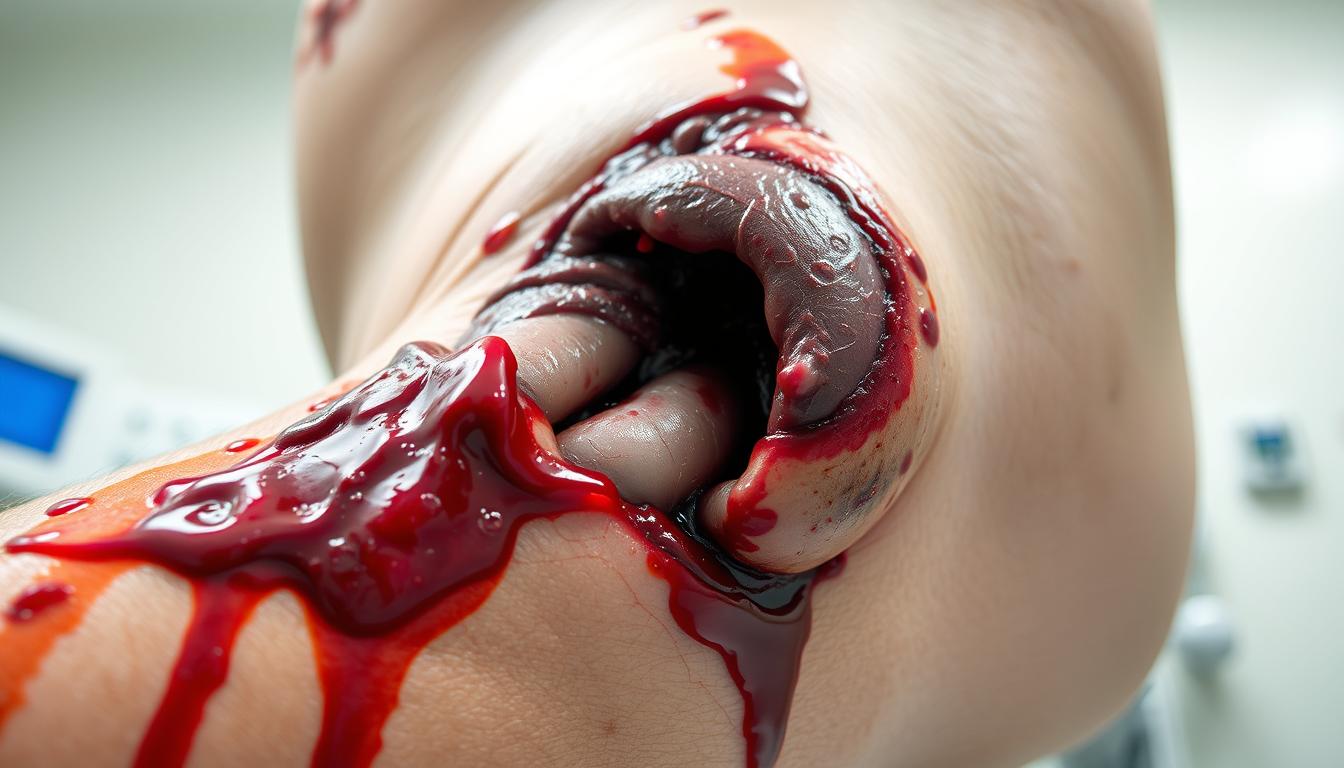
A clinical photo of an injured penis can show what the trauma looks like. It gives a clear picture of the injury.
Understanding Penile Trauma: A Medical Perspective
It’s important to know about penile trauma to treat it well. Penile trauma happens when the penis gets hurt. This can be from accidents, sports, or sex.
Definition and Classification of Penile Injuries
Penile injuries are divided by how bad they are and what kind of injury it is. There’s blunt trauma, which is common from direct hits. Then there’s penetrating trauma, which is less common but can be worse, like fractures or cuts.
The EAU Guidelines on Urological Trauma say it’s key to know the type of injury. This helps doctors figure out the right treatment.
The damage from trauma to penis can be small or very serious. Knowing the extent of the injury helps doctors plan the best course of action.
Prevalence and Epidemiology
Some groups face a higher risk of penile trauma. Young men are often at risk, due to sex or sports. Knowing who’s at risk helps in preventing injuries and teaching people about dangers.
Research shows penile trauma is a big deal that needs quick care. The rates and reasons for these injuries can change based on where you are and who you are. This means we need studies and guidelines that fit different places and cultures.
The Role of Clinical Photography in Penile Injury Assessment
Clinical photography is key in checking penile injuries. It gives doctors important visual info. This info is vital for figuring out what’s wrong and how to fix it.
Importance in Diagnosis and Documentation
Clinical photos help a lot in checking penile injuries. They give a clear and true picture. This helps doctors see how bad the injury is.
It also helps in tracking how well the injury is healing. This info helps doctors make better treatment plans.
The role of clinical photography is big in several ways:
- Detailed visual record
- Objective documentation
- Enhanced diagnosis accuracy
- Monitoring healing progress
| Benefits | Description |
|---|---|
| Detailed Visual Record | Provides a clear and complete view of the injury |
| Objective Documentation | Reduces need for patient reports |
| Enhanced Diagnosis Accuracy | Helps doctors make accurate diagnoses |
Ethical Considerations and Patient Consent
Clinical photography is very useful for checking penile injuries. But, we must think about the ethics. Getting informed patient consent is very important. This makes sure patients know why photos are taken and what it means.
Doctors need to respect patients’ privacy and dignity. This means:
- Telling patients why photos are needed
- Keeping patient info private
- Getting clear consent
Following these rules helps doctors use photos well. It keeps patients trusting them.
Types of Injured Penis Conditions
Penile trauma includes many injuries that need different treatments. It’s key for doctors to know these types well.
Traumatic Injuries
Traumatic injuries to the penis are serious. They can be broken down into different types based on the injury.
Penetrating Trauma
Penetrating trauma happens when objects go through the penile tissue. This can come from accidents or violence. The injury’s severity can vary, needing quick medical care to avoid lasting harm.
Blunt Force Trauma
Blunt force trauma is caused by forces that don’t go through the tissue but can damage it. It’s common in sports or during sex. Symptoms can include pain, swelling, and even a penile fracture in severe cases.
Non-Traumatic Conditions
Not all penile injuries come from trauma. Some happen without injury, like infections or priapism. It’s important to diagnose these correctly to treat them right.
Severity Classification
The severity of penile injuries matters a lot for treatment. Doctors use systems to judge how bad the injury is. They look at tissue damage, complications, and how it affects urination and sex.
Common Causes of Penile Injuries
It’s important to know why penile injuries happen. This knowledge helps prevent and treat them. Penile trauma can come from different incidents, and knowing these causes can lower risks.
Sexual Activity-Related Trauma
Sex can lead to penile injuries. The penis can break or get hurt during sex. Vigorous sexual activity raises the risk. It’s key to understand the dangers and take steps to avoid them.
Accidental Injuries
Penis injuries can happen by accident. They can come from:
- Direct blows to the penis
- Crushing injuries
- Sports-related injuries
- Zipper injuries
Zipper Injuries
Zipper injuries are common in kids. The penis can get caught in a zipper, causing cuts or other harm. Quick and careful action is needed to lessen the damage.
Sports-Related Injuries
Injuries from sports can happen. They can come from direct hits or accidents. Wearing protective gear and being careful in sports can lower injury risks.
Self-Inflicted Injuries
Self-inflicted injuries are less common but can happen. They might come from self-harm or accidents during self-exams. These injuries need quick medical help to avoid more problems.
Knowing the common causes helps prevent penile injuries. It’s vital to take precautions and get medical help right away if an injury happens.
Penile Fracture: A Urological Emergency
Penile fracture is a serious condition that needs quick medical help. It happens when the tunica albuginea, a tough layer around the penis, tears. This usually occurs during sex due to injury.
A study on the National Center for Biotechnology Information website stresses the need for fast treatment. It warns that not getting help right away can lead to serious problems later.
Mechanism of Injury
A penile fracture often results from a sudden injury, like a bend or direct hit to the erect penis. This can happen during intense sex or masturbation, causing the tunica albuginea to tear.
Common scenarios include:
- Vigorous sexual intercourse
- Masturbation
- Accidental direct trauma
Clinical Presentation
A penile fracture is often marked by a “cracking” sound and immediate loss of erection. It also causes pain, swelling, and sometimes a penis deformity.
Key symptoms:
- Severe pain
- Swelling and bruising
- Deformity of the penis
Immediate Management Protocol
Quick surgery is key to treating a penile fracture. It fixes the tunica albuginea to avoid issues like erectile dysfunction or penis curvature.
| Management Step | Description |
|---|---|
| Surgical Repair | Immediate surgery to repair the tunica albuginea |
| Pain Management | Administration of analgesics to manage pain |
| Antibiotic Therapy | Use of antibiotics to prevent infection |
Getting medical help fast is vital for treating penile fractures well. It helps avoid long-term problems.
Clinical Signs and Symptoms of an Injured Penis
It’s important to know the signs of a penis injury for quick diagnosis and treatment. Injuries can show up in different ways. Spotting these signs is key for doctors.
Pain and Swelling Patterns
Pain from a penis injury can feel sharp or dull. Swelling happens as the body reacts to the injury. How much swelling there is can tell us how bad the injury is.
Other signs like bruising or a hematoma might also appear. These signs help doctors understand the injury better.
Visual Changes: Discoloration and Deformity
Changes in how the penis looks are important signs of injury. Discoloration, from redness to bruising, can happen due to bleeding. Deformity, like a bent penis, can also occur, often in fractures.
Seeing these changes can be scary for patients. They need quick medical help to avoid lasting problems.
Associated Urinary and Sexual Symptoms
Penis injuries can also cause problems with urination and sex. Trouble peeing or pain while doing so might happen, if the urethra is hurt.
Sexual issues, like not being able to get an erection or pain when ejaculating, can also occur. These problems can greatly affect a person’s life and need to be treated.
| Symptom | Description | Possible Indication |
|---|---|---|
| Pain | Acute or dull pain in the penis | Trauma or injury |
| Swelling | Swelling or edema of the penile shaft | Inflammation or hematoma |
| Discoloration | Bruising or change in skin color | Bleeding under the skin |
Diagnostic Approaches for Penile Trauma
Diagnosing penile trauma needs a detailed physical check-up and advanced imaging. It’s important to use many methods to understand the injury fully.
Comprehensive Physical Examination
The first step is a thorough physical check. This looks for any visible injuries like cuts, swelling, or shape changes. It also checks the tunica albuginea, a key layer that must be intact.
Clinical evaluation is key to knowing how serious the injury is and what to do next.
Advanced Imaging Studies
Advanced imaging is vital for diagnosing penile trauma. It helps see how bad the injury is and what treatment is needed.
Ultrasound Findings
Ultrasound is great for checking the tunica albuginea and finding hematomas. It can tell the difference between a penile fracture and other injuries.
MRI and Other Modalities
MRI is also used for penile trauma, giving detailed images. It’s helpful when ultrasound isn’t clear enough.
“MRI provides a detailed look at penile trauma, helping find tears in the tunica albuginea and other injuries.”
Laboratory Assessments
Blood tests are done to check the patient’s health and for infection signs. These tests help manage the patient’s care, even if they’re not the main way to diagnose penile trauma.
Analyzing Clinical Photos of Injured Penis
Looking at clinical photos is key to understanding penile trauma. These photos give a detailed view that helps doctors diagnose and treat injuries.
Characteristic Visual Indicators in Medical Images
Clinical photos of an injured penis show important signs. These include swelling, bruising, and deformity. Doctors use these signs to figure out the injury’s severity.
A penile fracture might sound like a “crackling” sound when it happens. Then, it shows up as big swelling and bruises. Photos capture these details, helping doctors study them later.
| Visual Indicator | Possible Diagnosis |
|---|---|
| Swelling and Bruising | Penile Hematoma |
| Deformity | Penile Fracture |
| Laceration | Penile Laceration |
Differential Diagnosis Through Clinical Photography
Clinical photos help doctors not just at first but also later on. They look at the photos to tell different injuries apart.
For example, a small skin cut and a serious penile fracture look different in photos. Knowing this helps doctors choose the right treatment.
Using photos in studying penile injuries makes diagnosis better. It helps doctors give better care by understanding the injury more clearly.
Medical Image Gallery: Documented Cases of Penile Injuries
The medical image gallery shows many penile injuries. It’s great for learning and helping doctors diagnose. It’s a key resource for both.
Traumatic Penile Fractures
Traumatic penile fractures are very serious. They need quick medical help. These happen during sex or from direct hits to the penis.
The gallery has pictures of these fractures. They show how severe and complex these injuries can be.
Soft Tissue Injuries and Lacerations
Soft tissue injuries and lacerations are common. They can come from accidents, sports, or violence. The gallery shows these injuries.
It highlights the need for correct diagnosis and treatment. This is very important.
Post-Surgical Documentation
After surgery, it’s key to check how well the body is healing. The gallery has images of how injuries look after treatment. It helps doctors see if their methods are working.
Treatment Options for the Injured Penis
Managing penile trauma requires different treatments. These range from simple care to surgery. The right treatment depends on the injury’s severity and type.
Conservative Management Protocols
For mild injuries, simple care might be enough. This includes using pain medicines to ease discomfort and swelling. It’s also important to avoid hard activities and sex to help the injury heal.
Using cold packs and compression dressings can also help. These methods reduce swelling and prevent bleeding. Watching for signs of infection or worsening pain is key during this time.
Surgical Interventions and Techniques
Severe injuries, like penile fractures, need surgery right away. Surgeons fix damaged tissues and remove blood clots. Their goal is to fix the injury and avoid long-term problems.
Surgery is done under general anesthesia. The exact method used depends on the injury. After surgery, it’s important to watch for infection, manage pain, and check on healing progress.
Post-Treatment Care Guidelines
After treatment, proper care is vital for healing. Patients learn about wound care, pain management, and follow-up visits. It’s also important to talk about any emotional effects from the injury.
| Treatment Approach | Description | Indications |
|---|---|---|
| Conservative Management | Pain management, avoidance of strenuous activities, cold compresses, and compression dressings | Less severe injuries |
| Surgical Interventions | Repair of damaged tissues, evacuation of hematomas | Severe injuries, penile fractures |
| Post-Treatment Care | Wound care, pain management, follow-up assessments | All treatment approaches |
Potential Complications of Untreated Penile Trauma
Penile trauma, if not treated, can harm a person’s health a lot. It can affect their body and mind. Not treating penile injuries can lead to serious problems.
Immediate Complications
Untreated penile trauma can cause a lot of pain, swelling, and trouble urinating. Penile fractures can lead to big blood clots, shape changes, and trouble getting an erection. These issues can turn into infections, abscesses, or even dead tissue if not treated right away.
The immediate problems include:
- Severe pain and swelling
- Difficulty urinating
- Hematoma and deformity
- Infection and abscess formation
Seeing a doctor quickly is key to avoiding these dangers.
Long-Term Functional and Structural Sequelae
Long-term issues can cause lasting damage. This includes not being able to get an erection, penile curves, or a shorter penis. Penile trauma can also cause mental health problems like anxiety or depression, affecting how one feels about sex and their body.
The long-term effects include:
- Erectile dysfunction
- Permanent penile curvature or deformity
- Chronic pain or discomfort
People with penile trauma need to get medical help to avoid these long-term issues.
In summary, untreated penile trauma can cause serious problems, both right away and later on. Knowing these risks shows why it’s important to get medical help for penile injuries quickly.
When to Seek Medical Attention for Penile Injuries
Knowing when to get medical help for penile injuries is key. It helps treat the injury right and avoid lasting damage. Penile injuries, from small to big, can affect how you pee and have sex if not treated right.
Penile trauma can happen for many reasons. This includes sex, accidents, or other injuries. How bad the injury is will tell if you need to see a doctor right away.
Emergency Situations Requiring Immediate Care
Some injuries need you to see a doctor fast. These include:
- Severe pain or swelling
- Visible deformity or curvature of the penis
- Difficulty urinating
- Excessive bleeding
- Suspected penile fracture, indicated by a cracking sound during injury
Seeing a doctor quickly in these cases can stop problems like infection, lasting damage, or trouble getting an erection.
Non-Emergency Concerns Warranting Evaluation
Not every injury needs urgent care, but you should see a doctor. This is to stop problems from happening. These include:
| Condition | Symptoms | Potential Complications |
|---|---|---|
| Mild to moderate penile trauma | Pain, swelling, bruising | Infection, scarring |
| Penile lacerations or cuts | Bleeding, pain | Infection, scarring |
| Penile infections | Redness, swelling, discharge | Abscess formation, spread of infection |
Even small injuries should be checked by a doctor. They can give the right treatment to avoid future problems.
Getting medical help for penile injuries is important. It keeps your sexual and urinary health in check.
Prevention Strategies for Penile Injuries
To prevent penile injuries, we need a mix of safe sex, education, and protection during sports. Knowing the risks and taking steps early can lower the chance of injury.
Safe Sexual Practices and Education
Safe sex is key to avoiding penile injuries. It’s important to understand the dangers of intense sex and how to lessen them. Learning the right sexual techniques and talking openly with your partner are also vital.
“The role of education in preventing genital injuries cannot be overstated, as it empowers individuals to make informed decisions about their sexual health.”
Protective Measures During Physical Activities
Wearing the right gear and being careful during sports is also essential. This includes using protective equipment and staying alert. Here’s a table with some protective tips:
| Activity | Protective Measure |
|---|---|
| Sports | Wear protective gear such as cups or supporters |
| Sexual Activity | Practice safe sex, communicate with partner |
| Physical Labor | Wear protective clothing, follow safety guidelines |
By following these steps, we can lower the risk of penile injuries. It’s also important to know the signs of injury and get help if needed.
Psychological Impact and Management of Penile Injuries
Penile injuries can deeply affect a person’s mental health. They can lead to anxiety, depression, and stress. These feelings can change daily life and relationships.
Addressing Mental Health Concerns
Mental health issues after penile injuries are common. They need to be dealt with quickly. Key strategies include:
- Counseling to cope with the trauma
- Cognitive-behavioral therapy to manage anxiety and depression
- Support groups to share experiences and recovery strategies
Support Resources and Counseling Options
Having enough support is key for recovery. Options include:
- Professional counseling services
- Online support forums and resources
- Local support groups for individuals with similar experiences
By tackling mental health issues and providing support, people can handle the emotional effects of penile injuries better.
Conclusion
It’s important to know about penile injuries to keep your penis healthy. These injuries can happen from many things, like sex, accidents, or other injuries. Knowing the causes, signs, and how to find out if you have one is key.
To handle penile injuries well, you need to prevent them, find out quickly if you have one, and treat it right. Using protection during sex and being careful during physical activities can help avoid injuries.
Keeping your penis healthy means learning, staying alert, and taking steps to avoid injuries. By focusing on prevention and getting help when needed, you can stay safe and avoid lasting damage.