 by
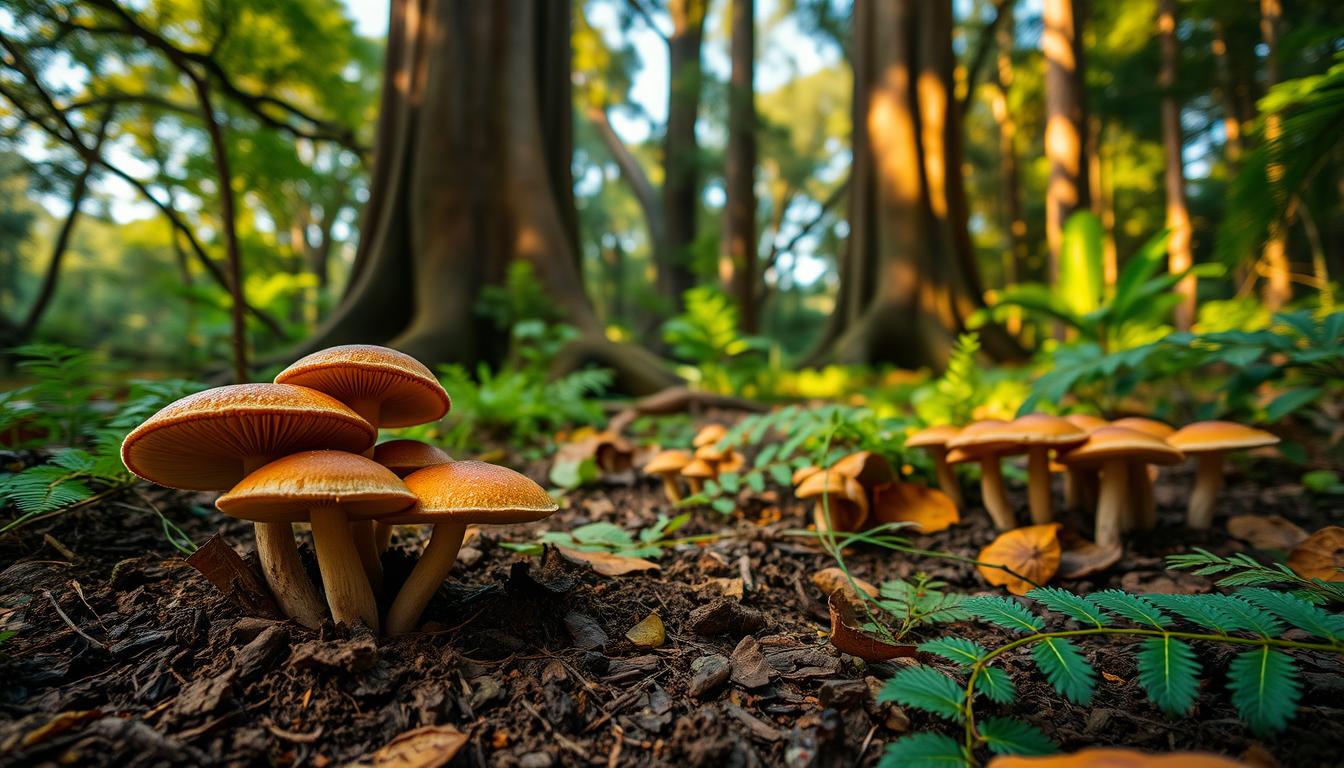
by Northern Odisha, India, is a treasure trove of diverse wild edible mushrooms. It offers a rich experience for foragers and culinary enthusiasts alike. The region’s unique biodiversity and climate create an ideal environment for various species to thrive.
Foraging for wild mushrooms can be a rewarding experience. It provides a chance to connect with nature and enjoy the distinct flavors and textures these fungi offer. But, it’s important to approach foraging with knowledge and caution to ensure a safe and sustainable practice.
This guide serves as an introduction to the world of edible mushroom guide. It covers essential aspects like identification, nutritional benefits, and best practices for foraging in Northern Odisha. Whether you are a seasoned forager or a curious beginner, this guide aims to enhance your understanding and appreciation of these natural treasures.
The Fungal Biodiversity of Northern Odisha
Northern Odisha is home to a wide variety of fungi. This is due to its unique geography and climate. These factors create the perfect environment for fungi to grow.
Geographical and Climatic Factors Influencing Mushroom Growth
The geography and climate of Northern Odisha greatly affect mushroom growth. The area’s forests, with their diverse trees and soils, are ideal for fungi.
Forest Types and Their Mycological Significance
Northern Odisha’s forests vary from tropical to dry deciduous. Each type supports different fungi. The relationship between fungi and tree roots is key to the forest’s health.
The monsoon season in Northern Odisha is perfect for mushrooms. The humidity and moderate temperatures help them grow.
Ecological Importance of Mushrooms in Odisha’s Forests
Mushrooms are essential in Odisha’s forests. They break down organic matter and recycle nutrients. This process improves soil quality and helps plants grow.
| Ecological Role | Description | Impact on Ecosystem |
|---|---|---|
| Decomposition | Breakdown of organic matter | Recycling of nutrients |
| Mycorrhizal Association | Symbiotic relationship with tree roots | Enhanced nutrient uptake for trees |
| Ecosystem Engineering | Modification of environment through growth | Creation of habitat for other organisms |
This table shows how important mushrooms are in Odisha’s forests. They play a big role in decomposition and mycorrhizal associations. This highlights their key role in maintaining biodiversity.
Wild Edible Mushrooms of Northern Odisha
Northern Odisha has a unique geography and climate. This supports a wide range of wild edible mushrooms. The area’s diverse ecosystems, from dense forests to grasslands, are perfect for many mushroom species.
Classification of Edible Fungi in the Region
In Northern Odisha, edible fungi are grouped by their habitat and traits. Some common types include:
- Termitomyces species, known as termite mushrooms
- Agaricus species, prized for their taste
- Russula and Lactarius varieties, loved for their unique flavors
Relationship Between Local Ecosystems and Mushroom Diversity
The variety of mushrooms in Northern Odisha depends on the local ecosystems. Each ecosystem supports different mushroom species.
Forest Mushrooms vs. Grassland Species
Forest mushrooms in Northern Odisha thrive in shaded, moist areas. Grassland mushrooms prefer open, sunny spots.
Key differences between forest and grassland mushrooms are:
- Habitat preferences
- Growth patterns
- Seasonal availability
Symbiotic Relationships with Local Flora
Mushrooms in Northern Odisha have symbiotic relationships with local plants. These relationships are vital for the ecosystem. They improve soil fertility and help plants grow.
The connections between mushrooms and plants are key to the ecosystem’s balance. Learning about these relationships helps us understand mushrooms’ ecological role.
Common Edible Mushroom Species Identification
The forests of Northern Odisha are home to many edible mushrooms. Termitomyces, Agaricus, Russula, and Lactarius are favorites among foragers. Knowing how to identify these mushrooms is key to safe foraging.
Termitomyces Species (Termite Mushrooms)
Termitomyces mushrooms are loved for their unique taste and texture. They grow near termite mounds.
Identification Features and Habitat
These mushrooms have a big cap and a strong stem. They live in the wild, near termite colonies.
Harvesting Techniques
When picking Termitomyces, it’s important to not harm the environment. Also, leave some mushrooms for future harvests.
Agaricus Species
Agaricus mushrooms are common in Northern Odisha. They look like buttons and grow in fields and forests.
Russula and Lactarius Varieties
Russula and Lactarius mushrooms are also good to eat. They have bright colors and unique shapes.
Foraging for wild mushrooms needs knowledge of the different types and where they live. Always put safety first.
| Mushroom Species | Identification Features | Habitat |
|---|---|---|
| Termitomyces | Large cap, sturdy stem | Near termite mounds |
| Agaricus | Button-like appearance | Fields and forests |
| Russula and Lactarius | Bright colors, distinctive shapes | Forests |
By learning about the looks and homes of these mushrooms, foragers can have a safe and fun time in Northern Odisha’s forests.
Lesser-Known Edible Mushroom Varieties
Northern Odisha is rich in fungal diversity. It has many edible mushroom varieties with unique flavors and textures. These mushrooms offer a culinary adventure that’s both authentic and exciting.
Rare and Endemic Species
The region is home to rare and endemic mushroom species. One such species is the Astraeus hygrometricus, also known as the ‘barometer earthstar.’ It’s not only edible but also changes shape with humidity levels.
Seasonal Delicacies
The availability of edible mushrooms in Northern Odisha changes with the seasons. Certain varieties appear at specific times of the year.
Post-Monsoon Specialties
After the monsoon, Northern Odisha’s forests yield special mushrooms. Species like Termitomyces clypeatus are not just delicious but also nutritious.
Winter Mushrooms
In winter, different mushrooms appear. The Flammulina velutipes, or winter mushroom, is a favorite. It has a crunchy texture and sweet flavor, making it a hit in wild mushroom recipes.
| Mushroom Species | Season | Culinary Use |
|---|---|---|
| Astraeus hygrometricus | Year-round | Used in soups and stews for its unique texture |
| Termitomyces clypeatus | Post-Monsoon | Often sautéed with local spices |
| Flammulina velutipes | Winter | Used in hot pots and soups |
The mushroom season in Northern Odisha is exciting for foragers and chefs. It brings a variety of flavors and textures. Exploring the forest fungi here is a culinary adventure that also celebrates natural biodiversity.
Mushroom Identification Techniques for Beginners
For beginners, learning to identify mushrooms is key for a safe and fun foraging experience. It’s important because some mushrooms can be harmful. Getting them wrong can cause serious health problems.
Physical Characteristics to Observe
Start by looking at the mushroom’s physical traits. This is the first step in identifying them.
Cap, Stem, and Gill Assessment
The cap, stem, and gills are important to check. The cap’s shape, size, and color can tell you a lot. The stem’s length, thickness, and any distinctive features like rings or bulbs are also key. Gill attachment, color, and spacing give important clues too.
Color, Texture, and Odor Analysis
The color of the mushroom is a big clue. It can change when bruised or cut. The texture, whether smooth, rough, or slimy, is also important. The odor of the mushroom, from pleasant to foul, helps in identification too.
Spore Print Methods
Creating a spore print is a simple way to identify mushrooms. Place the cap gill-side down on paper and let it sit for hours or overnight. The spore print shows the color and pattern of the spores, helping to tell species apart.
Using Field Guides Specific to Indian Fungi
Field guides specific to your area are essential for mushroom identification. They have descriptions, illustrations, and info on habitats and distributions. For Northern Odisha, guides focused on Indian fungi are very helpful.
| Feature | Description | Importance |
|---|---|---|
| Cap Characteristics | Shape, size, color, texture | High |
| Stem Features | Length, thickness, rings, bulbs | High |
| Gill Details | Attachment, color, spacing | High |
| Spore Print | Color, pattern | High |
| Odor | Type and intensity | Medium |
Dangerous Look-alikes: Toxic Mushrooms to Avoid
When you’re out in Northern Odisha’s forests looking for wild mushrooms, it’s key to know how to spot and steer clear of toxic look-alikes. The area’s rich fungal world includes poisonous species that can look like the edible ones. This makes mushroom identification a must-have skill for anyone foraging.
Common Poisonous Species in Northern Odisha
Northern Odisha is home to many toxic mushrooms, some of which look a lot like the ones you can eat. It’s vital for foragers to know about these dangerous look-alikes to stay safe while mushroom foraging.
Amanita Species
The Amanita genus includes some of the deadliest mushrooms worldwide. Species like Amanita phalloides (Death Cap) and Amanita virosa (Destroying Angel) are found in Northern Odisha. They can be deadly if eaten. These mushrooms often look like the ones you can eat, so it’s important to identify them correctly.
Other Toxic Varieties
Other toxic mushrooms in Northern Odisha include some Galerina and Cortinarius species. These can cause a range of problems, from stomach issues to organ failure, depending on the mushroom and how much you eat.
Symptoms of Mushroom Poisoning
The symptoms of mushroom poisoning can vary a lot, depending on the mushroom. Common signs include nausea, vomiting, diarrhea, and stomach pain. In serious cases, it can lead to liver or kidney failure. Some mushrooms can also cause brain problems like confusion, hallucinations, or seizures.
Emergency Procedures for Suspected Poisoning
If you think you’ve been poisoned by mushrooms, get medical help right away. Here’s what to do:
- Seek emergency medical care without delay.
- Bring a sample of the mushroom for identification, if possible.
- Provide information about the time of ingestion and symptoms observed.
Quick action can greatly improve your chances of recovery from mushroom poisoning. This shows how important it is to forage wild mushrooms with care and knowledge.
Nutritional and Medicinal Properties
Wild edible mushrooms offer many health benefits. They are not just tasty but also packed with nutrients. They have been used in traditional medicine for a long time.
Nutritional Composition Analysis
These mushrooms are full of proteins, fibers, and important nutrients. For example, Enoki mushrooms are low in calories and high in water. They also have antioxidants that protect cells.
- High protein content
- Rich in dietary fiber
- Low in calories
- Rich in antioxidants
Traditional Medicinal Applications
Wild edible mushrooms have been used in traditional medicine for centuries, mainly by tribal communities.
Tribal Healing Practices
Tribal communities have used these mushrooms to treat infections and digestive issues. This shows their medicinal value.
Historical Medicinal Uses
For centuries, different cultures have used wild edible mushrooms for their health benefits. They help boost immunity and treat various health problems.
Modern Research on Health Benefits
Modern studies confirm the health benefits of wild edible mushrooms. They have been found to have anti-inflammatory, antioxidant, and immune-boosting effects.
Recent studies have explored their role in preventing and treating diseases like cancer and heart disease.
Key findings include:
- Anti-cancer properties
- Cardiovascular health benefits
- Immune system support
Sustainable Foraging Practices
Sustainable foraging is key for keeping Northern Odisha’s wild mushrooms safe. As more people want these mushrooms, we must find ways to keep them around.
Ethical Harvesting Techniques
Ethical foraging means we don’t hurt the mushroom’s home. We pick only the right mushrooms and handle them carefully.
- Use baskets or breathable bags to collect mushrooms, avoiding plastic bags that can cause moisture buildup.
- Cut mushrooms at the base instead of pulling them to prevent damage to the mycelium.
Conservation Considerations
Keeping mushrooms diverse is important. This means protecting rare species and their homes.
Protecting Endangered Mushroom Species
Knowing which mushrooms are rare is critical. Foragers need to learn which ones to avoid.
Habitat Preservation
Keeping mushroom homes healthy is essential. This means keeping forests clean and pollution-free.
| Habitat Factor | Impact on Mushrooms | Conservation Action |
|---|---|---|
| Forest Health | Affects mycelium growth and mushroom yield | Maintain forest cover and reduce logging |
| Pollution | Can harm mycelium and reduce biodiversity | Reduce chemical use and waste |
Legal Aspects of Mushroom Collection
Foragers need to know the laws about picking mushrooms. Some places have rules on how much and what types you can pick.
Best Seasons and Locations for Mushroom Hunting
Northern Odisha is famous for its rich mushroom life. The monsoon and post-monsoon seasons are the best times to find wild edible mushrooms. These periods are perfect for many mushroom species to grow.
Monsoon Season Foraging (June-September)
The monsoon season, from June to September, is the best time for mushroom hunting in Northern Odisha. The rain and humidity help mushrooms grow. You can find Termitomyces and Agaricus mushrooms during this time.
Post-Monsoon Opportunities (October-November)
After the monsoon ends, October and November are great for mushroom hunting. The soil stays moist, and the cooler weather helps mushrooms grow.
Prime Foraging Locations in Northern Odisha
Northern Odisha has many great places for mushroom hunting. Its forests and grasslands are home to many mushroom species.
Similipal Forest Region
The Similipal Forest Region is a top spot for mushroom hunting. Its dense forests and rich life support a wide variety of mushrooms.
Mayurbhanj and Keonjhar Districts
Mayurbhanj and Keonjhar districts are also rich in mushrooms. Their unique landscapes and climates are perfect for mushroom growth.
Foragers should follow local rules and forage sustainably. This way, we can keep these wild mushrooms available for the future. As Dr. R.K. Singh, a renowned mycologist, says, “Sustainable foraging is key to keeping our ecosystems balanced and our wild mushrooms available.”
Essential Equipment for Mushroom Foraging
Mushroom foraging in Northern Odisha needs the right gear for a safe and fun trip. The right tools make foraging better and help keep wild mushrooms safe.
Basket and Knife Selection
A good, breathable basket is best for picking mushrooms. It lets air in and keeps moisture out. A sharp, small knife is key for cutting mushrooms without harming the mycelium.
Field Guides and Identification Apps
Knowing what mushrooms are is very important. Field guides for Indian fungi and apps are great tools. They help you tell safe mushrooms from dangerous ones.
Protective Gear Recommendations
Wearing gloves and long sleeves keeps you safe from thorns and bugs. Also, choose sturdy shoes for walking in the forest.
With the right gear, foraging for mushrooms in Northern Odisha’s forests can be a great adventure.
Cultural Significance of Mushrooms in Odisha
Mushrooms are more than food in Odisha’s tribal communities. They are a key part of their cultural heritage. The tradition of wild edible mushrooms shows the deep bond between people and the forest.
Tribal Communities and Mushroom Knowledge
The tribal communities of Odisha, like the Santhal tribe, know a lot about wild mushrooms. Their knowledge comes from years of watching and learning.
The Santhal Tribe’s Mushroom Expertise
The Santhal tribe is known for its mushroom skills. They know which mushrooms are good to eat, and which have healing or spiritual powers.
Knowledge Transfer Through Generations
Passing on mushroom knowledge is a big deal in the Santhal tribe. Elders teach the younger ones, keeping their traditions alive.
Mushrooms in Local Festivals and Traditions
Mushrooms are important in local festivals and traditions. They are seen as a special treat and are used in traditional dishes.
The love for mushrooms in Odisha shows the area’s rich nature and the bond between people and the environment. As we learn more, it’s clear mushrooms are a big part of the local culture.
| Tribe | Mushroom Knowledge | Cultural Significance |
|---|---|---|
| Santhal | Extensive knowledge of edible and medicinal mushrooms | Integral to their cultural heritage and traditions |
| Other Tribes | Varied knowledge of wild edible mushrooms | Significant in local festivals and culinary practices |
Traditional and Modern Cooking Methods
Exploring how wild edible mushrooms are cooked in Northern Odisha is fascinating. It shows a mix of old traditions and new ideas. The area’s many mushrooms have led to both classic and modern dishes.
Authentic Odia Mushroom Recipes
Odia cuisine has many tasty mushroom dishes. Two favorites are Chhatu Rai and Hendua Chhatu Besara.
Chhatu Rai (Mushroom in Mustard Sauce)
Chhatu Rai is a dish with wild mushrooms in a mustard sauce. It’s served with rice. Mushrooms are cooked with mustard paste, turmeric, and spices, making a tasty sauce.
Hendua Chhatu Besara (Wild Mushroom Curry)
Hendua Chhatu Besara is a curry with wild mushrooms and spices. It’s rich in flavor and enjoyed at special times.
Preservation Techniques
To keep mushrooms fresh all year, drying and pickling are used. These methods help store mushrooms for longer.
Culinary Innovations with Local Mushrooms
Recently, chefs and home cooks have been trying new things with wild mushrooms. They make soups, stir-fries, and salads. This shows how versatile wild mushrooms are in modern Odia cooking.
New ideas in cooking make Odia cuisine more interesting. They mix old traditions with new flavors. This makes Odia food more diverse and fun.
Economic Importance and Market Potential
The wild edible mushrooms in Northern Odisha are more than just food. They offer a big chance for local economic growth. The area’s special mix of nature and weather is perfect for growing and trading mushrooms.
Local Mushroom Trade
The trade of wild mushrooms is a big help to the local economy. Many rural folks collect and sell mushrooms. This gives them a vital way to earn money.
Opportunities for Commercial Cultivation
Growing mushrooms for sale can really boost the economy. Local farmers can make more money by growing mushrooms in a green way. This can also make their lives better.
| Mushroom Species | Market Demand | Cultivation Potential |
|---|---|---|
| Termitomyces | High | Moderate |
| Agaricus | Moderate | High |
| Russula | High | Low |
Export Potential of Odisha’s Mushrooms
Odisha’s mushrooms could be big in exports because of their special taste and health benefits. Making new products can make them even more appealing.
Value-Added Products
Products like dried mushrooms, mushroom powders, and pickles can make more money. They can also attract more buyers.
Ecotourism Opportunities
Ecotourism for mushroom hunting can bring in more money for local people. Tours and workshops can help grow tourism in a green way.
By using the chance of wild mushrooms, Northern Odisha can grow in a green way. This can also help the lives of its rural people.
Conclusion
Northern Odisha is a treasure trove for finding wild edible mushrooms. The area’s forests are filled with different species, each with its own special traits and uses.
It’s important to use sustainable practices when picking wild mushrooms. This means taking care of the environment, not picking too many, and thinking about how our actions affect nature.
By foraging responsibly and learning about the wild edible mushrooms in Northern Odisha, we can enjoy their flavors and help protect them. Whether you’re experienced or new to foraging wild mushrooms, we urge you to do it with care and respect for nature.