 by
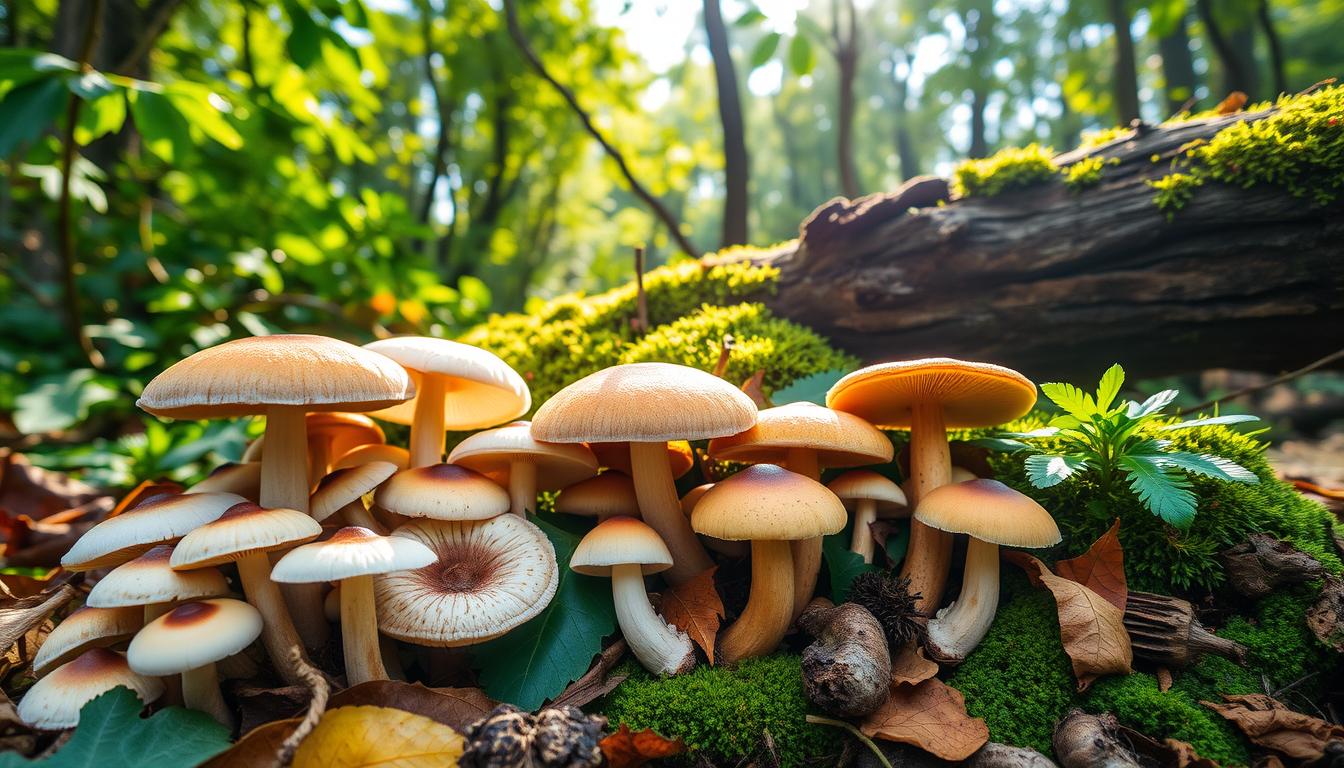
by Northern Odisha, India, is a treasure trove of wild edible mushrooms. These mushrooms are not just tasty but also carry deep cultural and medicinal value.
The area’s geography and climate are perfect for many mushroom species. Foraging for these mushrooms is a long-standing tradition. Locals use their inherited knowledge to find these treasures.
Knowing the different types and where they grow is key. This guide aims to give a detailed look. It’s designed to help both enthusiasts and locals enjoy the wild edible mushrooms of Northern Odisha safely and fully.
The Rich Fungal Biodiversity of Northern Odisha
Northern Odisha’s diverse geography and climate make it a hotspot for mycologists. The mix of forests, climate, and cultural practices creates a perfect environment for fungi to grow.
Geographical and Climatic Factors Influencing Mushroom Growth
Northern Odisha’s geography is varied, with different forest types. These include tropical moist deciduous and subtropical pine forests. These forests are home to many fungal species.
Forest Types and Their Mushroom Ecosystems
Different forests in Northern Odisha support unique mushroom ecosystems. For example:
- Tropical moist deciduous forests are home to Termitomyces species.
- Subtropical pine forests have various Russula species.
Monsoon Patterns and Mushroom Emergence
The monsoon season is key for mushroom growth. Heavy rainfall and high humidity during the monsoon trigger mushroom growth.
Historical Significance of Mushrooms in Odishan Culture
Mushrooms are vital in Odishan culture, used in food and medicine. Local communities know the edible and medicinal uses of fungi well.
Indigenous communities have used mushrooms for centuries. They play a big role in their lives.
Wild Edible Mushrooms: A Treasure of Northern Odisha
Northern Odisha is rich in wild edible mushrooms. They offer a wide range of flavors and health benefits. These mushrooms are a big part of the local food and culture. Many species are picked for their taste and health value.
Classification of Local Edible Fungi
In Northern Odisha, wild mushrooms fall into several families. These include Termitomyces, Agaricus, and Russula. These groups have edible species that are loved worldwide for their taste and health benefits. Termitomyces species are a favorite for their taste and texture.
These mushrooms are sorted by their looks, like cap shape and size. Knowing how to tell them apart is key. It helps find the safe ones and avoid the poisonous ones.
Ecological Importance in Forest Ecosystems
Wild mushrooms are very important in Northern Odisha’s forests. They help break down organic matter and recycle nutrients. This supports the growth of other plants in the forest.
Some mushrooms have a special relationship with trees. This relationship makes the soil better and helps the forest stay healthy. The mushrooms show that the ecosystem is balanced. They add to the area’s biodiversity and health, showing the benefits of wild mushrooms beyond food.
Essential Mushroom Identification Techniques
To safely forage for wild mushrooms, you need to learn how to identify them. This involves looking at their physical features, using special tools, and checking field guides.
Physical Characteristics to Observe
When you’re identifying wild mushrooms, it’s key to look at their physical traits. You’ll need to examine several important features closely.
Cap, Stem, and Gill Assessment
The cap, stem, and gills are key to look at. The cap’s shape, size, and color can give you clues. The stem’s length, thickness, and any special features like rings or bulbs are also important.
Gill attachment, spacing, and color help too. These details can help you figure out what mushroom you have.
Color, texture, and smell are also important. The cap’s color and how it changes when bruised or cut can tell you a lot. The texture, whether it’s smooth, rough, or slimy, gives clues too.
Some mushrooms have unique smells, from fruity to foul. These smells can be a big help in figuring out what mushroom you have.
Spore Prints and Other Identification Methods
Spore prints are a great tool for identifying mushrooms. By placing a mushroom cap on paper and letting it sit for a few hours, you can get a spore print. This print shows the color and pattern of the spores, which can help you tell mushrooms apart.
“The spore print is one of the most reliable methods for identifying mushrooms, as spore color and pattern can be very distinctive.”
Using Field Guides and Mobile Apps for Identification
Field guides and mobile apps can also help a lot. Field guides have detailed descriptions and pictures. Apps offer quick references and help from other mushroom hunters. Using these tools along with looking at the mushrooms yourself can make you more accurate.
Key tips for safe foraging include:
- Consulting multiple field guides and expert sources
- Using mobile apps for real-time identification assistance
- Observing and recording details of the mushroom’s habitat
Top 10 Wild Edible Mushrooms in Northern Odisha
Exploring Northern Odisha’s wild edible mushrooms shows a wide variety. Each has its own special traits. The area’s geography and climate are perfect for many fungi to grow.
Termitomyces Species
Termitomyces mushrooms are loved for their taste. They live in harmony with termites.
Termitomyces heimii (Dhingri)
Termitomyces heimii, or Dhingri, is a favorite in Northern Odisha. It’s big and has a delicate taste.
Termitomyces microcarpus (Bendu Chhatu)
Termitomyces microcarpus, or Bendu Chhatu, is also sought after. It’s small but has a deep, earthy flavor.
Agaricus Species
Agaricus mushrooms are found all over Northern Odisha. They’re known for their unique taste and texture.
Agaricus bisporus and Local Variants
Agaricus bisporus is well-known, and local types in Northern Odisha have different tastes and textures.
Habitat and Identification
Agaricus mushrooms grow in grasslands and forests. To identify them, look at the cap shape, gill color, and stem.
Russula Species
Russula mushrooms are common in Northern Odisha’s forests. Some are edible and very sought after.
Russula emetica and Edible Counterparts
Russula emetica is toxic, but other Russula species are safe to eat. It’s important to know how to tell them apart.
Distinguishing Features
Edible Russula mushrooms have bright colors, are fragile, and have specific spore prints.
Other Notable Edible Varieties
Besides Termitomyces, Agaricus, and Russula, Northern Odisha has many other edible mushrooms. These include Amanita, Cantharellus, and Lactarius species, each with its own flavor and texture.
Cooking with these mushrooms can make dishes better, from traditional Odishan recipes to new ones. Knowing about these mushrooms’ traits and where they grow is key for safe and fun foraging.
Dangerous Look-alikes: Mushrooms to Avoid
Foragers in Northern Odisha must watch out for poisonous mushrooms that look like the edible ones. If you mistake them, it could be very dangerous. The area has many toxic mushrooms that can be deadly if eaten.
Toxic Species Native to Northern Odisha
Northern Odisha has toxic mushrooms that look like the ones you can eat. The Amanita and Galerina genera are two of the most dangerous.
Amanita Species and Their Dangers
The Amanita genus includes some of the most poisonous mushrooms. The death cap (Amanita phalloides) and the destroying angel (Amanita virosa) are in this group. They can cause liver and kidney failure and are often fatal.
Other Poisonous Varieties
Other poisonous mushrooms in Northern Odisha include Galerina marginata and Cortinarius rubellus. These mushrooms have toxins that can cause severe illness or death.
Common Misidentifications and Their Consequences
Mistaking poisonous mushrooms for edible ones can be very dangerous. For example, the edible Termitomyces species can look like the poisonous Amanita species. If not identified correctly, it can lead to organ failure and death.
| Poisonous Mushroom | Edible Look-alike | Danger |
|---|---|---|
| Amanita phalloides | Termitomyces species | Liver and kidney failure |
| Galerina marginata | Agaricus species | Severe gastrointestinal symptoms |
To stay safe, foragers in Northern Odisha need to be careful and well-informed. Using spore prints and field guides can help avoid mistakes.
Foraging for Wild Mushrooms: Best Practices
To forage for wild mushrooms, you need to know the best ways to do it. This means knowing when and where to look, how to pick them, and what tools to use.
Optimal Foraging Seasons and Weather Conditions
Foraging for wild mushrooms is all about timing and weather. Each type of mushroom likes different conditions.
Pre-monsoon and Monsoon Foraging
The warm, humid weather of the pre-monsoon and monsoon seasons is perfect for many mushrooms. Look for places that are moist and shady.
Post-monsoon Opportunities
After the monsoon, the weather is great for some mushrooms. There are fewer bugs and other foragers around, making it a good time to find them.
Ethical Harvesting Techniques
It’s important to harvest mushrooms in a way that doesn’t harm the environment. Cut them at the base and only take what you need.
Key ethical practices include:
- Minimizing habitat disturbance
- Avoiding over-harvesting
- Being mindful of protected areas
Essential Equipment for Mushroom Hunting
The right tools make mushroom hunting better. You’ll need a sharp knife, a basket or bag, and a field guide.
A good field guide is key for telling edible mushrooms from poisonous ones.
Tribal Knowledge and Traditional Mushroom Foraging
For centuries, the tribes of Northern Odisha have known a lot about wild edible mushrooms. They learned this from living in harmony with nature for generations. This knowledge is key to understanding the area’s mushroom diversity.
Indigenous Communities and Their Mushroom Wisdom
The indigenous communities of Northern Odisha, like the Santhal, Kondh, and Munda tribes, know a lot about mushrooms. They have learned how to forage and identify mushrooms in a way that’s good for the environment.
Santhal Tribe’s Mushroom Expertise
The Santhal tribe is known for its mushroom identification skills. They know where to find mushrooms and when, giving mushroom hunting tips that are both useful and eco-friendly.
Kondh and Munda Tribal Practices
The Kondh and Munda tribes also have long traditions of mushroom foraging. They use special ways to identify mushrooms, like looking at their shape and where they grow. These practices show the benefits of wild mushrooms in their culture and food.
Traditional Identification Methods Passed Through Generations
These tribes have developed many ways to identify mushrooms over time. They look at the mushroom’s color, shape, and size, and where it grows. These methods have been passed down, showing a deep understanding of the area’s mushrooms.
Learning from these traditional practices can teach us a lot about mushroom foraging and the importance of wild mushrooms. This knowledge helps us understand the diversity of fungi and supports conservation in the area.
Safely Consuming Wild Mushrooms
Wild mushrooms are a unique treat, but they need careful handling. Knowing how to forage and prepare them is key. This ensures a safe and enjoyable experience.
Proper Cleaning and Preparation Techniques
Start by cleaning wild mushrooms well. Use a soft-bristled brush to remove dirt. For tough dirt, a damp cloth works, but don’t soak them to avoid texture changes.
Preparation techniques differ by mushroom type. Some need slicing, while others are best cooked whole. Cooking them right breaks down their cell walls, making nutrients easier to digest.
Storage and Preservation Methods
Proper storage keeps wild mushrooms fresh for longer. Store them in a cool, dry place, like a fridge. This helps them last longer.
Drying and Dehydration
Drying is a great way to preserve mushrooms. Use a dehydrator or a low-temperature oven. Dried mushrooms can be stored for months and rehydrated later.
Pickling and Other Preservation Techniques
Pickling not only preserves but also adds flavor. It uses vinegar or brine to stop bacteria growth. Freezing and making mushroom powders or extracts are other methods.
Signs of Mushroom Poisoning and Emergency Response
Even with careful identification, poisoning risks exist. Symptoms include nausea, vomiting, and stomach pain. Severe cases can harm organs. If you think you’ve been poisoned, get medical help fast. Bring a mushroom sample or describe it to help with treatment.
Nutritional Profile of Northern Odisha’s Wild Mushrooms
The wild mushrooms of Northern Odisha are a treat for the taste buds and a nutritional powerhouse. They’ve been part of local meals for centuries. Now, their health benefits are known worldwide.
Macronutrients and Micronutrients
Wild mushrooms from Northern Odisha are packed with protein, fiber, and micronutrients like vitamins and minerals. They stand out for their vitamin D, copper, and selenium. These nutrients make them a great choice for boosting your diet.
Medicinal Properties and Health Benefits
Wild mushrooms are known for their antioxidant, anti-inflammatory, and immune-boosting properties. These benefits help improve immune function and overall health.
Immune-boosting Properties
The immune-boosting effects of wild mushrooms come from beta-glucans. These compounds help the immune system fight off infections better.
Traditional Medicinal Applications
In traditional medicine, wild mushrooms treat many health issues. They’re prized for their therapeutic properties. They’re often used with other natural remedies to improve health.
Culinary Applications of Wild Edible Mushrooms
In Northern Odisha, foraging for wild mushrooms is more than just finding food. It’s a tradition passed down through generations. These mushrooms add a unique flavor and texture to dishes, making them special.
Traditional Odishan Mushroom Recipes
Wild mushrooms are a big part of Odishan cuisine. They are used in many dishes, making them both tasty and aromatic. Two famous dishes are Chhatu Besara and Bendu Chhatu Rai.
Chhatu Besara (Mushroom in Mustard Sauce)
Chhatu Besara is a beloved Odishan dish. It combines wild mushrooms with a mustard sauce. The mushrooms are sautéed with spices like mustard seeds and turmeric, making it tangy and spicy. This dish shows the beauty of Odishan cooking.
Bendu Chhatu Rai (Spicy Termite Mushroom Curry)
Bendu Chhatu Rai is a spicy curry with Termitomyces mushrooms. These mushrooms have a meaty texture and a rich flavor. The curry is made with chilies, garlic, and ginger, and is often served with rice or bread.
Modern Culinary Innovations with Local Mushrooms
Modern chefs are also exploring wild mushrooms. They mix these mushrooms with new cooking techniques. For example, they use them in risottos, pasta, and even on pizzas, adding a unique twist.
A famous chef once said, “Foraging for wild mushrooms connects us with nature and opens up a world of flavors.” This idea is becoming more popular in modern cooking.
Wild mushrooms are exciting for chefs to work with. They bring together old traditions and new cooking styles.
Sustainable Mushroom Foraging and Conservation
The rich fungal biodiversity of Northern Odisha needs careful handling. Sustainable foraging and conservation are key. They help the environment and keep mushroom recipes alive for locals and tourists.
Environmental Impact of Foraging
Foraging can harm the environment if not done right. Taking too many mushrooms can hurt the fungi and the ecosystems they live in. It’s important to follow mushroom hunting tips that promote sustainability. This means only picking mature mushrooms and not damaging the area.
Conservation Efforts in Northern Odisha
Conservation in Northern Odisha involves many efforts. These include community projects and government programs.
Community-based Conservation Initiatives
Local communities are key in conservation. They help through:
- Training on how to forage sustainably
- Creating areas for conservation
- Supporting eco-tourism that helps local economies
Government Protection Programs
The Odisha government has many programs to protect fungi. These include:
| Program | Description | Impact |
|---|---|---|
| Protected Areas | Areas where foraging is controlled or banned | Keeps important habitats safe |
| Research Initiatives | Studies on fungi and their habitats | Helps make better conservation plans |
| Community Engagement | Programs to get locals involved in conservation | Boosts community care for nature |
By working together, Northern Odisha can keep its fungi rich and support sustainable growth.
Mushroom Cultivation Inspired by Wild Varieties
Mushroom lovers are now looking to Northern Odisha’s wild mushrooms for new ways to grow them. The area’s wide range of fungi offers a chance to grow species that are not just tasty but also good for health.
Domesticating Wild Mushroom Species
To grow wild mushrooms, you need to know how they live in nature. This means creating a home for them that matches their natural habitat. Termitomyces species, for example, need specific conditions that can be set up in a lab.
Small-scale Cultivation Techniques for Local Varieties
It’s easy to grow wild mushrooms on a small scale. You just need to get the right soil, make mushroom starter, and add it to the soil.
Substrate Preparation Methods
The soil where mushrooms grow is called the substrate. It can be straw, compost, or wood chips. Preparing the substrate means making it clean so the mushroom can grow well.
Spawn Production and Inoculation
Spawn is a mix that mushrooms start from. It’s made by growing mushroom cells in a special medium. How you add the spawn to the soil depends on the mushroom and the soil you use, so it’s important to get it right.
Using these small-scale growing methods, mushroom fans can grow their own wild mushrooms. This helps the environment and lets them enjoy the taste and health benefits of fresh mushrooms.
Legal Aspects of Mushroom Foraging in Odisha
It’s important to know the laws about foraging for wild mushrooms in Odisha. The state’s forests and protected areas have rules for picking mushrooms. These rules help keep the environment safe.
Regulations and Restrictions in Forest Areas
The state forest department controls mushroom foraging in Odisha’s forests. Some places are off-limits because of conservation or environmental reasons. For example, picking rare mushrooms is not allowed.
There are also rules on how much you can pick. This ensures that foraging is done in a way that doesn’t harm the environment.
| Regulation | Description |
|---|---|
| Protected Areas | Certain forest areas are protected and closed to foraging. |
| Species Protection | Rare or endangered species are strictly protected. |
| Quantity Limits | Guidelines are in place to ensure sustainable collection quantities. |
Protected Areas and Required Permissions
To forage in places like wildlife sanctuaries, you need special permission. These permits are usually for research or for indigenous communities. You must apply for these permits ahead of time and follow the rules.
“The conservation of biodiversity is a key aspect of our forest management policies,” said a forest official. “Regulations on mushroom foraging are essential to maintaining the ecological balance.”
Conclusion: Embracing the Fungal Treasures of Northern Odisha
Northern Odisha is full of wild edible mushrooms. These offer a sustainable food source and a link to the area’s culture.
Knowing where and when mushrooms grow helps find and pick them. Species like Termitomyces and Agaricus are common finds.
It’s key to forage sustainably. This means picking mushrooms right and respecting nature. It also means knowing the rules about picking mushrooms.
More people are interested in foraging for wild mushrooms. This makes it even more important to do it right. By exploring Northern Odisha’s mushrooms, we support a green future and value nature’s gifts.