 by
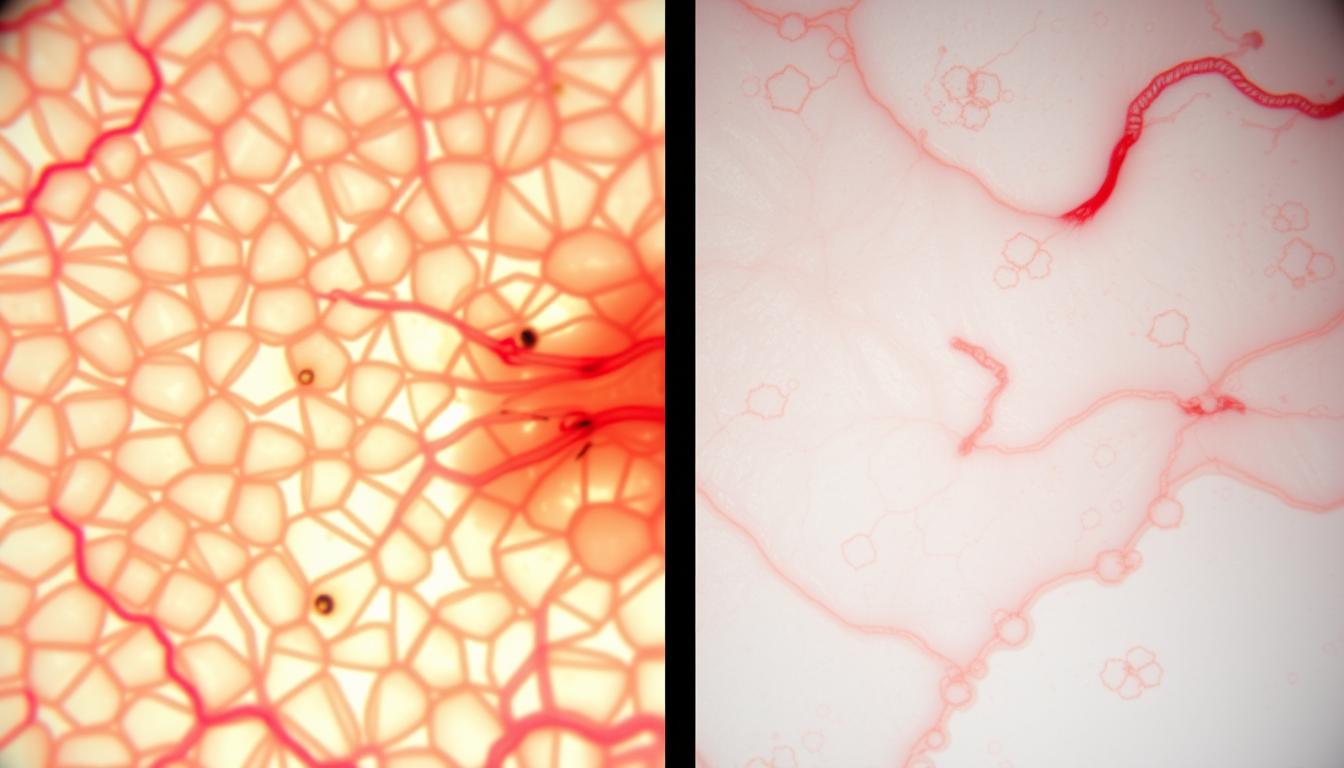
by Knowing about vaginal tissue health is key for women’s well-being. The look of healthy versus atrophic vaginal tissue is quite different.
The Mayo Clinic says vaginal atrophy is common in postmenopausal women. It makes the vaginal walls thin, dry, and inflamed. This shows why knowing about vaginal anatomy and atrophy changes is important.
Keeping vaginal health in check means being aware of these changes. By looking at healthy and atrophic tissue, people can see what makes them different.
Understanding Vaginal Tissue Structure and Function
It’s important to know about vaginal tissue anatomy to understand its role. The vaginal wall has several layers. Each layer plays a key part in keeping the vagina healthy.
Anatomical Layers of the Vaginal Wall
The vaginal wall has three main layers: the epithelium, lamina propria, and muscular layer. Each layer has its own role. They all work together to keep the vagina healthy and elastic.
Epithelium, Lamina Propria, and Muscular Layer
The epithelium is the innermost layer. It acts as a barrier against infections. The lamina propria is under the epithelium. It has blood vessels and connective tissue that support the epithelium.
The muscular layer is made of smooth muscle. It helps the vagina contract and relax. This is important for sexual activity and childbirth.
| Layer | Characteristics | Function |
|---|---|---|
| Epithelium | Innermost layer, barrier function | Protects against infections |
| Lamina Propria | Contains blood vessels and connective tissue | Supports the epithelial layer |
| Muscular Layer | Comprises smooth muscle | Facilitates contraction and relaxation |
The vaginal wall’s structure is key to its function. Knowing about these layers helps us understand vaginal health. The way these layers work together keeps the vagina healthy and functional all through a woman’s life.
Visual Characteristics of Healthy Vaginal Tissue
Knowing how healthy vaginal tissue looks is key for vaginal health. The look of vaginal tissue tells a lot about a woman’s reproductive health.
Healthy vaginal tissue has certain looks that are important for its function. These include its color, texture, and how moist it is.
Macroscopic Appearance in Clinical Images
Clinical images are important for showing what healthy vaginal tissue looks like. They help doctors see the big picture of vaginal tissue.
The color of healthy vaginal tissue is usually pinkish. This shows good blood flow and health. The texture is moist and smooth, with a special rugosity.
The right amount of vaginal discharge keeps the tissue moist and safe. This discharge is vital for keeping the tissue hydrated.
In clinical images, healthy vaginal tissue looks well-vascularized and free of lesions. The looks of healthy vaginal tissue are key for vaginal health and overall well-being.
By looking at clinical images and knowing what healthy vaginal tissue looks like, doctors can better check vaginal health. They can then give the right care.
The Role of Estrogen in Vaginal Tissue Maintenance
Estrogen is key for keeping vaginal tissue healthy. It helps keep the vaginal wall strong and functional. This ensures the vaginal area stays healthy and resilient.
Estrogen affects vaginal tissue in many ways. It helps the vaginal wall stay thick and elastic. It also keeps the vaginal pH balanced and supports the vaginal microenvironment. When estrogen levels drop, like during menopause, vaginal tissue can change. This can lead to vaginal atrophy.
Estrogen Receptors and Tissue Integrity
Estrogen works on vaginal tissue through estrogen receptors. These receptors are found in the vaginal epithelium and stroma. They are vital for estrogen’s effects on the tissue.
When estrogen receptors are active, they help keep tissue healthy. They promote cell growth and differentiation. This keeps the tissue strong and intact.
Estrogen receptors also control genes that help keep the vagina healthy. These genes are important for tissue maintenance.
| Estrogen Effect | Description |
|---|---|
| Tissue Thickness | Estrogen keeps the vaginal epithelium thick and healthy. |
| Vaginal pH | Estrogen helps keep the vaginal pH balanced, preventing harmful bacteria growth. |
| Microenvironment | Estrogen supports a healthy vaginal microenvironment by promoting beneficial bacteria. |
Hormonal Regulation of Vaginal Microenvironment
The vaginal microenvironment is influenced by hormones, cells, and microbes. Estrogen is important in this balance. It helps keep the vaginal microbiota in check.
When estrogen levels drop, the balance can be disrupted. This can lead to fewer beneficial bacteria and more harmful ones. This imbalance can cause infections and other problems related to vaginal atrophy.
It’s important to understand how estrogen keeps the vagina healthy. This knowledge helps in treating vaginal atrophy and other related issues. Keeping estrogen levels right can reduce the risk of these conditions and improve vaginal health.
Normal Vaginal Tissue Throughout Life Stages
Understanding vaginal health means looking at how it changes over time. Vaginal tissue changes a lot from puberty to menopause. These changes are important for a woman’s health.
Hormonal shifts, lifestyle, and big life events like pregnancy affect vaginal tissue. These factors can change how healthy and functional the tissue is.
Puberty and Reproductive Years
Puberty brings big changes with the start of menstrual cycles. Estrogen levels rise, making the vaginal tissue thicker and more moist. This helps with sex and keeps reproductive health strong during the reproductive years.
Pregnancy and Postpartum Changes
Pregnancy changes vaginal tissue a lot. Blood flow and hormone levels increase, making the tissue more vascular. After childbirth, it may take time for the tissue to go back to its original state. This can cause dryness or looseness.
Perimenopausal Transition
As women get closer to menopause, estrogen levels drop. This affects vaginal tissue, causing dryness, thinning, and less elasticity. These changes can make sex harder and affect vaginal health.
| Life Stage | Hormonal Changes | Vaginal Tissue Characteristics |
|---|---|---|
| Puberty | Increase in estrogen | Thickening of vaginal epithelium, increased secretions |
| Reproductive Years | Cyclical hormonal changes | Healthy, elastic vaginal tissue |
| Postpartum | Hormonal shifts | Temporary dryness, laxity |
| Perimenopause | Decline in estrogen | Dryness, thinning, decreased elasticity |
The table shows how vaginal tissue changes at different life stages. Hormonal shifts play a big role in these changes. Knowing about these changes helps keep vaginal health strong throughout a woman’s life.
Defining Vaginal Atrophy: Pathophysiology and Terminology
When estrogen levels drop, vaginal atrophy can occur. This condition affects vaginal health and function. It’s also known as genitourinary syndrome of menopause (GSM). The vaginal walls become thin, dry, and inflamed.
This issue is common among women going through menopause. It’s important to understand vaginal atrophy to diagnose and treat it effectively.
Medical Definition and Classification
Vaginal atrophy is caused by lower estrogen levels. Symptoms include vaginal dryness, irritation, and less elasticity. Doctors classify it based on how severe the symptoms are and how they affect daily life.
- Mild symptoms may include occasional vaginal dryness.
- Moderate symptoms can involve frequent dryness and irritation.
- Severe symptoms may lead to significant discomfort and pain during sexual activity.
Genitourinary Syndrome of Menopause (GSM)
Genitourinary syndrome of menopause (GSM) covers a range of symptoms due to lower estrogen levels. It includes vaginal atrophy and urinary issues like needing to urinate often.
Key aspects of GSM include:
- Vaginal dryness and irritation
- Decreased vaginal elasticity
- Urinary symptoms such as frequency and urgency
- Impact on sexual function and quality of life
Visual Identification of Atrophic Vaginal Tissue
Identifying atrophic vaginal tissue involves looking at it and studying it under a microscope. Doctors use these methods to check the vaginal tissue’s health. This helps them decide the best treatment.
Clinical Imaging Characteristics
Clinical imaging is key in spotting atrophic vaginal tissue. Doctors look for certain signs during their exams.
Pallor, Thinning, and Reduced Vascularity
Atrophic vaginal tissue looks pale because it has less blood flow. It also feels thinner and less elastic. Reduced vascularity makes it look pale.
Histological Imaging Findings
Looking at tissue under a microscope shows more about atrophic vaginal tissue. Key findings include:
Cellular Changes and Epithelial Atrophy
Microscopic exams show cellular changes like fewer cells and thinner layers. The top layer of cells gets weaker. This shows epithelial atrophy. These signs point to a lack of estrogen, causing the tissue to look different.
Knowing these signs is important for diagnosing and treating vaginal atrophy. Doctors use both visual and microscopic checks to create a treatment plan that works for each patient.
Comparative Analysis of Vaginal Tissue in Health and Atrophy
Looking at healthy and atrophic vaginal tissue helps us understand atrophy’s effects. This study is key for figuring out how to treat vaginal atrophy.
Visual comparison is a critical tool in this analysis. Doctors can see the differences by looking at images of healthy and atrophic tissue side-by-side.
Side-by-Side Image Comparison Techniques
Comparing images side-by-side is a simple yet effective way to show the differences. This method makes it easy to see the changes in tissue appearance.
Tissue Thickness and Elasticity Differences
Healthy vaginal tissue is thicker and more elastic than atrophic tissue. Atrophic tissue is thinner and less elastic, causing discomfort and other symptoms.
“The loss of estrogen during menopause leads to a decrease in vaginal wall thickness and elasticity, contributing to the symptoms of vaginal atrophy.”
Vascular Patterns and Blood Flow Variations
Vascular patterns and blood flow change a lot between healthy and atrophic tissue. Atrophic tissue has reduced blood flow and altered vascular patterns, which adds to its symptoms.
Knowing these differences is vital for diagnosing and treating vaginal atrophy. By comparing healthy and atrophic tissue, doctors can better manage the condition.
Etiology of Vaginal Tissue Atrophy
Vaginal atrophy comes from many factors like hormones, health issues, and lifestyle. Knowing these causes helps in treating the condition well.
Menopause-Related Hormonal Decline
Estrogen drop, mainly during menopause, is a big reason for vaginal atrophy. Estrogen is key to keeping the vagina healthy by making it thick and moist. Without enough estrogen, the vagina gets thin, dry, and less stretchy, causing atrophy symptoms.
Medical and Surgical Causes
Some health problems and surgeries can also cause vaginal atrophy. Cancer treatments like chemo and radiation harm the vaginal tissue. Also, surgeries like removing the ovaries cut down estrogen, speeding up atrophy.
Cancer Treatments, Oophorectomy, and Medications
Some cancer treatments and medicines can really hurt vaginal health. For example, hormone therapies for cancer lower estrogen, leading to atrophy. Some drugs, like antidepressants and antihistamines, can also dry out and thin the vagina.
Lifestyle and Environmental Factors
Lifestyle and environment also affect vaginal atrophy. Smoking hurts vaginal health by cutting off blood flow. Not being sexually active can also cause dryness and atrophy because of less blood flow and moisture.
Clinical Manifestations of Vaginal Tissue Changes
Vaginal health is closely tied to the health of vaginal tissue. Changes can cause various symptoms. These symptoms can affect both physical comfort and overall quality of life.
Physical Symptoms and Signs
Vaginal tissue changes can lead to several physical symptoms. Common symptoms include vaginal dryness, itching, and pain during intercourse. These symptoms often come from vaginal atrophy, which makes the vaginal walls thin, dry, and inflamed.
The table below lists common physical symptoms and signs of vaginal tissue changes.
| Symptom | Description |
|---|---|
| Vaginal Dryness | Reduced lubrication leading to discomfort and pain |
| Itching | Irritation and discomfort in the vaginal area |
| Pain During Intercourse | Dyspareunia resulting from vaginal tissue changes |
Impact on Sexual Function and Quality of Life
Changes in vaginal tissue can cause physical discomfort. They also affect sexual function and quality of life. Vaginal atrophy can make sex painful, reduce libido, and lower sexual satisfaction.
These changes can strain relationships and hurt a woman’s self-esteem. They can also affect her overall well-being.
It’s important to understand the symptoms of vaginal tissue changes. Healthcare providers can offer treatments to help. These treatments can ease symptoms and improve quality of life.
Diagnostic Imaging of Vaginal Tissue
Diagnostic imaging is key in checking vaginal tissue health. Different methods are used to look at vaginal tissue. This gives important info for diagnosis and treatment.
Colposcopy and Direct Visualization
Colposcopy is a common way to see the vaginal mucosa up close. It uses a colposcope to zoom in on the area. This helps spot problems and see how much damage there is.
A medical expert says, “Colposcopy is vital for finding vaginal lesions and problems. It gives a clear look at the affected area.” This clear view helps doctors make better diagnoses.
Advanced Imaging Modalities
Ultrasound, MRI, and Optical Coherence Tomography (OCT) are advanced tools. They give detailed pictures of vaginal tissue. This helps check tissue thickness, how elastic it is, and blood flow.
Ultrasound, MRI, and Optical Coherence Tomography
Ultrasound checks vaginal tissue thickness and blood flow. MRI shows the vaginal anatomy in detail. OCT looks at the tiny details of vaginal tissue.
Vaginal Health Index (VHI) Assessment
The Vaginal Health Index (VHI) scores vaginal health. It looks at moisture, epithelial integrity, and pH levels. The VHI gives a full view of vaginal health, helping diagnose and track conditions.
Using diagnostic imaging and tools like the VHI is key for vaginal health. These methods help doctors give better treatments and improve patient results.
Therapeutic Approaches for Atrophic Vaginal Tissue
Understanding how to treat atrophic vaginal tissue is key. Vaginal atrophy often comes from hormonal changes, like those during menopause. It needs a treatment that fixes both symptoms and the root cause.
Hormone Replacement Therapy Options
Hormone replacement therapy (HRT) is a main treatment for vaginal atrophy. It aims to balance hormones that menopause disrupts. HRT can be given in two ways: systemically or locally.
Systemic vs. Local Administration
Systemic HRT uses estrogen (and sometimes progesterone) taken orally or through patches. It helps with all menopausal symptoms, including vaginal atrophy. Local HRT, by contrast, applies estrogen directly to the vagina. This can be through creams, rings, or tablets. It targets the problem area with fewer side effects.
Non-Hormonal Treatments
For those who can’t or don’t want to use HRT, there are other options. These include:
- Moisturizers and lubricants to ease dryness and discomfort during sex.
- Lifestyle modifications, like diet changes and quitting smoking, to boost vaginal health.
Moisturizers, Lubricants, and Lifestyle Modifications
Using vaginal moisturizers regularly keeps the area moist. Lubricants help during sex. Eating a balanced diet, rich in omega-3s and antioxidants, also supports vaginal health.
Emerging Regenerative Therapies
New treatments for vaginal atrophy are being developed. These include:
- Laser therapy, which boosts collagen and makes vaginal tissue more elastic.
- Platelet-rich plasma (PRP) therapy, where PRP is injected to help tissues grow back.
- Stem cell approaches, being studied for their ability to repair vaginal tissue.
Laser Therapy, PRP, and Stem Cell Approaches
These new therapies might offer lasting relief and better vaginal health. While more research is needed, they’re promising for treating vaginal atrophy.
Preventive Strategies for Maintaining Healthy Vaginal Tissue
Keeping your vaginal tissue healthy is key for women’s health. Using preventive strategies is important. They help avoid problems like vaginal atrophy and keep your vagina healthy all your life.
Proactive Healthcare Measures
Good healthcare is vital for vaginal health. You should haveregular check-ups with your doctor. They can check your vaginal health and give advice on keeping it healthy.
Women can also help bypracticing good hygiene. Stay away from things that can make your vagina dry or uncomfortable.
Regular Monitoring and Early Intervention
Checking your vaginal health often is important. This meansdoing self-exams and telling your doctor if you notice any changes. Catching problems early can make treatment easier and prevent serious issues.
By using these strategies, women can help keep their vaginal health in check. This is good for their overall well-being.
Clinical Significance of Vaginal Tissue Assessment
The importance of checking vaginal tissue health is huge for women’s health. It helps find and treat problems like vaginal atrophy. This can really change a woman’s life for the better.
Implications for Women’s Health
Checking vaginal tissue health is very important for women, mainly during menopause. Accurate diagnosis leads to better treatments. This makes symptoms better and improves overall health.
Also, it helps find problems early. This means doctors can act fast to help.
Healthcare Provider Education and Awareness
Teaching doctors about vaginal tissue checks is key. Comprehensive training helps them give better care. They can meet their patients’ needs better.
This education improves health outcomes. It makes life better for women with vaginal tissue issues.
Conclusion
Keeping your vaginal health in check is key, more so as you get older. The state of your vaginal tissue greatly affects your overall well-being. Changes in this tissue can really impact your life quality.
Vaginal atrophy is a common problem, causing vaginal tissue to thin, dry, and get inflamed. It’s a big issue for many women, hitting them hard during menopause. Knowing what causes it, its symptoms, and how to treat it is vital for both healthcare pros and women.
Spotting the signs of healthy vaginal tissue and atrophy can help you take care of your vaginal health. You can use preventive measures like hormone therapy and non-hormonal treatments. These can help lessen the effects of vaginal atrophy.
In the end, focusing on vaginal health and tackling issues with vaginal tissue can greatly boost your health and life quality. It’s all about taking care of yourself.