 by
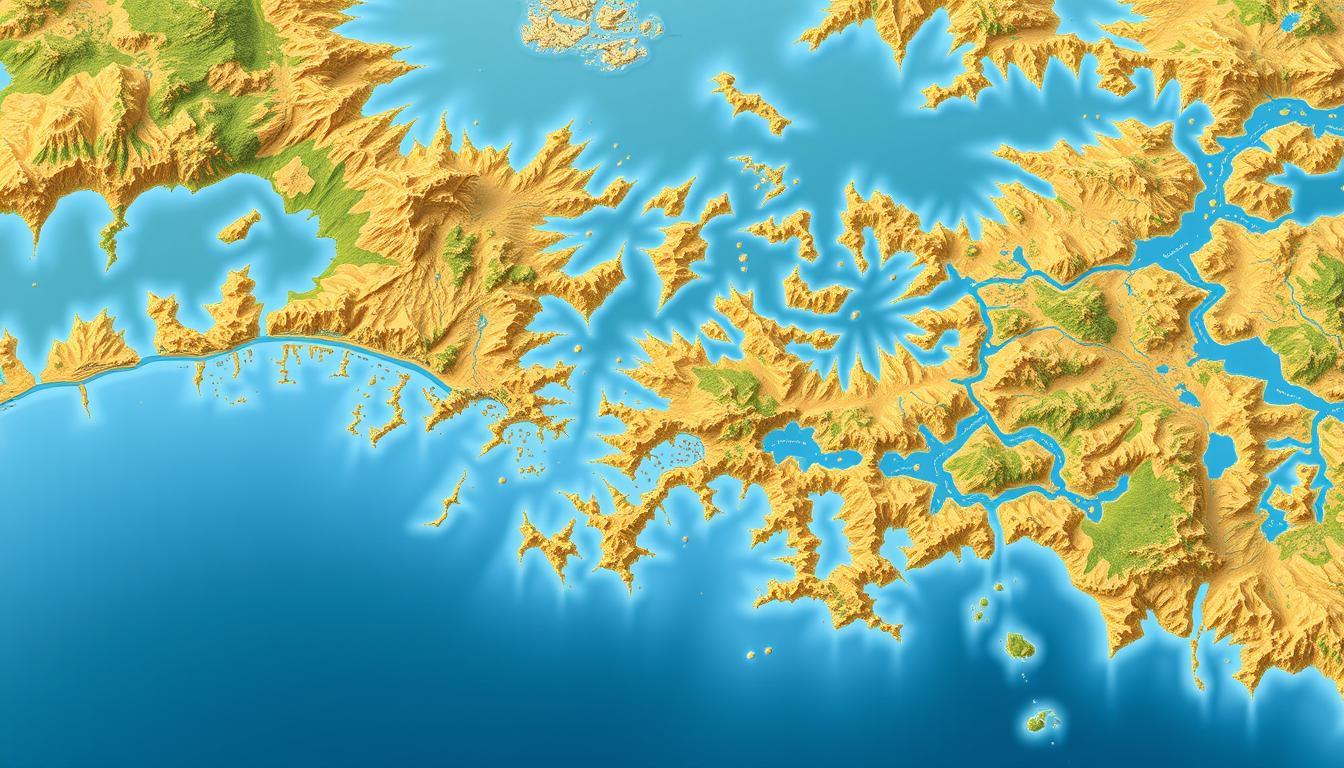
by The Mississippi River Delta is a key area in the United States. It’s famous for its unique landscape and natural beauty. This region, where the Mississippi River meets the Gulf of Mexico in Louisiana, covers about three million acres. It’s a mix of waterways, wetlands, and landforms.
The delta area goes from Vermilion Bay to the Chandeleur Islands. It’s vital for the country’s ecosystem. Knowing the Delta region map helps us understand its importance and the challenges it faces.
This section will give you a closer look at the modern Mississippi River Delta near New Orleans, Louisiana. We’ll explore its significance and the details of its geography.
The Mississippi River Delta: An Overview
The Mississippi River Delta is key to the United States’ geography. It’s vital for the country’s ecology and economy. It’s part of the Gulf of Mexico and the Louisiana coastal plain, a huge area of wetlands.
Geographical Definition and Boundaries
The Mississippi River Delta covers over 2.7 million acres of wetlands. It’s a big part of North America’s geography. The delta’s boundaries are defined by its complex network of waterways, distributaries, and wetlands, stretching across the Louisiana coastal plain.
The delta’s unique shape is like a bird’s foot. It has many major distributaries branching out from the main river. This shape has helped create a rich ecosystem and support a wide variety of life.
Significance in North American Geography
The Mississippi River Delta is not just big; it’s also very important. The delta contains 37% of the estuarine marsh in the conterminous United States. This makes it a vital home for many plants and animals.
| Feature | Description | Significance |
|---|---|---|
| Coastal Wetlands | Over 2.7 million acres of wetlands | Critical habitat for diverse species |
| Estuarine Marsh | 37% of the conterminous U.S. total | Supports rich biodiversity |
| Bird’s Foot Structure | Distinctive delta structure with major distributaries | Shapes regional ecosystem |
The delta is more than just a place for plants and animals. It’s also a key part of the local economy. It’s a major center for shipping, fishing, and tourism. This supports local communities and helps the national economy.
Formation and Geological History of the Mississippi Delta
The Mississippi River Delta has a long and complex history. It has been shaped by the Mississippi River and the Gulf of Mexico over thousands of years. The delta has changed a lot over time, thanks to different geological processes.
Ancient Delta Development
About 4,500 years ago, the modern Mississippi River Delta started to take shape. The river carried sand, clay, and silt to its mouth. This material was deposited along the riverbanks and in nearby basins.
The delta has moved and changed its course many times. This is because of sedimentation and erosion. These natural processes have reshaped the delta over time.
Key stages in the delta’s development include the formation of different delta lobes. Each lobe marks a period of growth for the delta. These lobes were created as the river changed its path to the Gulf of Mexico.
| Delta Lobe | Formation Period | Characteristics |
|---|---|---|
| Maringouin Lobe | 4,500 – 3,500 years ago | Initial delta formation, high sediment load |
| Teche Lobe | 3,500 – 2,800 years ago | Shift in river course, new delta growth |
| Lafourche Lobe | 2,800 – 1,000 years ago | Continued delta expansion, wetland formation |
Modern Geological Processes
Today, the Mississippi Delta is constantly changing. The river’s sediment load is key to its shape and size. The balance between sediment deposition and erosion is important.
Human activities, like building levees and dams, have also affected the delta. These actions have changed the delta’s geological processes.
The delta’s dynamic nature shows in its response to changes. Sea level, river discharge, and human actions all play a role. Understanding these processes helps us manage the delta’s ecosystems and face environmental challenges.
Understanding the Mississippi Delta Map: Key Features
The Mississippi Delta’s geography is full of interesting features. It has distributaries, wetlands, and landforms. The Mississippi Delta map helps us understand this complex area.
Major Waterways and Distributaries
The Mississippi River Delta has a complex network of waterways and distributaries. The main stem of the Mississippi River is key, but other distributaries like the Atchafalaya River are also important. These waterways shape the delta’s landscape and support its ecosystems.
Some major distributaries and waterways in the Mississippi Delta include:
- The Atchafalaya River
- The Mississippi River Gulf Outlet
- Bayou Lafourche
Landforms and Terrain Characteristics
The Mississippi Delta’s terrain is mostly wetlands, like marshes, swamps, and bottomland hardwood forests. These areas are not just ecologically important. They also protect against storms and flooding.
| Landform | Description | Ecological Significance |
|---|---|---|
| Marshes | Wetland areas dominated by soft-stemmed plants | Habitat for numerous bird species and aquatic life |
| Swamps | Wetland areas with standing water and trees | Supports diverse wildlife, including alligators and birds |
| Bottomland Hardwood Forests | Forested areas along rivers and streams | Provides habitat for various terrestrial animals |
Bird’s Foot Delta Structure
The Mississippi River Delta is called a “bird’s foot” delta because of its shape. It looks like a bird’s foot, with distributaries branching out like toes. This shape comes from the sediment deposited by the river, creating new land.
“The bird’s foot delta structure is a testament to the dynamic nature of the Mississippi River Delta, constantly evolving through natural processes.”
Understanding the Mississippi Delta map and its features is key. It shows the region’s ecological, economic, and cultural importance. The delta’s unique waterways, distributaries, and landforms make it fascinating.
New Orleans: The Gateway to the Mississippi Delta
New Orleans has a deep connection with the Mississippi Delta. This connection comes from history, culture, and the environment. The city’s location near the Mississippi River makes it key to the delta’s ecosystems and human activities.
Historical Relationship Between City and Delta
The bond between New Orleans and the Mississippi Delta is complex. It involves trade, settlement, and cultural exchange. The city’s growth was influenced by its close tie to the delta and the Mississippi River.
The delta’s natural wealth and the river’s challenges have shaped New Orleans. Over time, the city developed a unique culture. This culture reflects its ties to the Mississippi Delta.
Modern Urban Interface with Delta Ecosystems
Today, New Orleans remains important to the Mississippi Delta’s ecosystems. The city’s buildings and land use affect the delta’s wetlands and rivers.
It’s vital to manage the delta’s ecosystems sustainably. This is because the city and the delta are connected. Efforts to fight flooding, improve water quality, and protect habitats are key.
| Aspect | Historical Significance | Modern Implications |
|---|---|---|
| Trade and Commerce | The Mississippi River helped New Orleans grow through trade. | Now, the river is a major shipping route, boosting the Port of New Orleans. |
| Cultural Exchange | The city’s culture was shaped by the delta and its people. | New Orleans’ culture is today influenced by its ties to the Mississippi Delta. |
| Ecosystem Management | Old land use practices harmed the delta’s ecosystems. | Now, there’s a focus on sustainable management and restoring the delta. |
Ecological Zones of the Region
The Mississippi Delta is a complex mix of different ecological zones. It has freshwater marshes, swamps, brackish and saltwater areas, and barrier islands. These zones are key for supporting life and providing important services.
Freshwater Marshes and Swamps
Freshwater marshes and swamps cover a lot of the Delta’s land. They have dense vegetation and hydric soils. This supports many plants and animals.
Freshwater marshes are in slow-moving water areas. Swamps are near river floodplains. For more on their importance, see the USDA report on the Mississippi Delta.
Brackish and Saltwater Environments
Brackish and saltwater areas in the Delta mix freshwater and saltwater. They have unique plants and animals that live in changing salt levels. Places like brackish marshes, mangroves, and salt marshes are home to many aquatic species.
Barrier Islands and Coastal Features
The Delta’s coast is guarded by barrier islands. They protect the mainland from storms and erosion. Islands, beaches, and dunes are always changing due to nature and human actions.
Wildlife and Biodiversity in the Delta Ecosystem
The Mississippi River Delta is a haven for diverse ecosystems, full of native species. It’s one of North America’s biggest wetland areas, supporting a wide range of biodiversity. The delta’s waterways and landforms create a home for many species, keeping the ecosystem balanced.
Native Flora Species
The Mississippi Delta is known for its lush vegetation. You’ll find cypress trees, Spanish moss, and many aquatic plants. These plants are key to the delta’s health, providing shelter, food, and breeding grounds for animals. They also help keep the soil in place, preventing erosion.
- Cypress trees and tupelo gum trees dominate the swampy areas.
- Aquatic plants like water lilies and cattails are common in freshwater marshes.
- Salt-tolerant plants such as salt marsh grasses are found in brackish environments.
Aquatic and Terrestrial Fauna
The delta is home to a wide variety of aquatic and terrestrial fauna. The waters are home to alligators, dolphins, and many fish species. On land, you’ll find deer, bobcats, and various bird species.
- Fish species like largemouth bass and catfish are abundant.
- Mammals such as raccoons and otters are commonly found.
- Reptiles, including snakes and turtles, inhabit the delta’s wetlands.
Migratory Bird Patterns and Habitats
The Mississippi River Delta is a key stopover for many migratory birds. It offers essential habitats for birds like warblers, terns, and herons. The delta’s diverse wetlands provide resting and feeding grounds for these birds during their migrations.
Historical Mapping of the Mississippi Delta
The Mississippi River Delta has been mapped for centuries. This has given us insights into its changes over time. Understanding its history is key to knowing its complex geography and how humans have affected it.
Early Cartographic Representations
Maps of the Mississippi Delta started in the 16th century with European explorers. These early maps were simple, showing the delta’s waterways and wetlands. Cartographers found it hard to accurately show the delta’s changing landscape.
The first map of the Mississippi Delta was made by Alonso Álvarez de Pineda in 1521. Though the original is lost, its importance is well-documented. Over time, maps got better, using data from explorers, traders, and scientists.
| Year | Cartographer | Notable Features |
|---|---|---|
| 1521 | Alonso Álvarez de Pineda | One of the first recorded maps of the Mississippi Delta |
| 1764 | Jacques-Nicolas Bellin | Detailed the Mississippi River and its distributaries |
| 1874 | U.S. Coast Survey | Provided detailed topographic and hydrographic data |
Evolution of Delta Mapping Techniques
Mapping techniques have greatly improved our view of the Mississippi Delta. From simple drawings to satellite images and GIS, technology has grown a lot. Now, we can watch the delta change in real-time, like erosion and human impacts.
Geographic Information Systems (GIS) and remote sensing have changed cartography. They help us analyze and see the delta’s ecosystems in detail. This is key for managing the delta’s resources and facing environmental challenges.
By looking at old maps and using new tech, we can understand the Mississippi Delta better. This helps in preserving it. The history of mapping the Mississippi Delta is important for conservation and sustainable management.
Human Settlement and Cultural Heritage of the Delta
The Mississippi River Delta’s unique culture comes from many groups. Indigenous peoples, early settlers, and immigrants all played a part. Their interactions have enriched the region’s cultural heritage.
Indigenous Populations and Early Settlements
For centuries, the Mississippi Delta was home to tribes like the Caddo, Tunica, and Natchez. They built complex societies with their own cultures and traditions. The arrival of Europeans changed the region’s culture a lot.
Early settlers built homes near the Mississippi River. The river was key for food, travel, and trade. It helped shape the area’s culture and economy.
Cultural Diversity and Heritage Sites
The Mississippi River Delta is known for its cultural mix. This mix includes African Americans, Europeans, and Native Americans. We celebrate this diversity at places like historic plantations, museums, and music venues.
- The region has many historic sites, like Oak Alley Plantation and the Whitney Plantation.
- Cultural festivals, like the New Orleans Jazz Festival, highlight the area’s musical heritage.
- Traditional dishes, like gumbo and jambalaya, show the area’s diverse food influences.
Keeping these cultural sites alive is important. It helps keep the region’s identity strong and promotes understanding.
Economic Importance of the Mississippi Delta
The Mississippi Delta is very important for its economy. It has many industries like shipping, fishing, and tourism. Its unique geography and natural resources make it perfect for these activities.
Shipping and Maritime Commerce
The Mississippi Delta is key for shipping and maritime commerce. The Mississippi River is a major transportation route. It connects the region to the Gulf of Mexico and international markets.
The Port of New Orleans is a major port in the United States. It handles a lot of cargo each year. This supports thousands of jobs and brings in a lot of money for local economies.
| Port | Cargo Volume (tons) | Economic Impact ($ billion) |
|---|---|---|
| Port of New Orleans | 70 million | 15 |
| Port of South Louisiana | 220 million | 30 |
Fishing and Aquaculture Industries
The Mississippi Delta is famous for its fishing industry. Its waters have many important species like oysters, shrimp, and fish. This industry creates jobs and boosts the local economy.
Aquaculture is also growing in the region. Farms raise species like catfish and oysters. This industry provides income for farmers and meets seafood demand.
Tourism and Recreational Activities
Tourism is a big part of the Mississippi Delta’s economy. Visitors come for its natural beauty, culture, and fun activities. They enjoy fishing, boating, and birdwatching, and also visit historic sites.
The tourism industry helps many businesses. This includes hotels, restaurants, tour operators, and more. It brings in money and creates jobs for locals.
Environmental Challenges Facing the Mississippi Delta
The Mississippi River Delta is a key area for both nature and the economy. It faces many environmental problems. Its special geography makes it very sensitive to different environmental threats.
Coastal Erosion and Land Loss
Coastal erosion and land loss are big problems in the Mississippi Delta. The area is sinking fast, and losing wetlands. This hurts biodiversity and weakens natural defenses against storms and rising sea levels.
Human actions like building levees and dredging waterways make erosion worse. These actions change how sediment moves naturally. So, the delta is losing land quickly, affecting its ecosystems and the people who live there.
| Factor | Impact on Land Loss | Consequence |
|---|---|---|
| Levee Construction | Alters sediment transport | Increased erosion |
| Sea-Level Rise | Inundates wetlands | Loss of habitat |
| Dredging | Disrupts natural water flows | Erosion and sedimentation issues |
Pollution and Water Quality Issues
The Mississippi Delta also struggles with pollution and poor water quality. Runoff from farms, industrial waste, and sewage harm both people and the environment.
Pollutants cause eutrophication, harming fish and plants. To fix this, better farming practices and improved sewage treatment are needed.
Climate Change Impacts
Climate change is a big threat to the Mississippi Delta. Rising sea levels and more intense storms will make things worse. The delta’s low ground and expected weather extremes make it very vulnerable.
There are plans to adapt and become more resilient. These include restoring wetlands and strengthening natural barriers.
Conservation Efforts and Restoration Projects
Efforts to save and restore the Mississippi Delta are growing. This is thanks to government and community actions. The Mississippi Delta is known for its rich life and complex ecosystem. It faces many environmental problems that need big conservation plans.
Government Initiatives
Government actions are key in saving the Mississippi Delta. Projects like the Mississippi River and Tributaries Project help manage floods and bring back wetlands. The U.S. Army Corps of Engineers works on projects to fix the delta’s natural balance.
| Project | Description | Impact |
|---|---|---|
| Mississippi River and Tributaries Project | Flood control and wetland restoration | Restores natural habitats |
| Sediment Diversion | Redirects sediment to build wetlands | Enhances wetland growth |
Non-Profit and Community-Based Programs
Non-profits and community groups are also important in saving the Mississippi Delta. Organizations like The Nature Conservancy and local groups do projects like restoring habitats and teaching about the environment. These efforts help bring back natural places and teach people about the delta’s value.
- Habitat restoration projects
- Environmental education programs
- Community engagement initiatives
By working together, government, non-profits, and communities can tackle the Mississippi Delta’s environmental issues. This way, the region can move towards a greener future.
Exploring the Delta: Points of Interest and Recreation
Exploring the Mississippi Delta shows a rich mix of nature and culture. It’s near New Orleans, Louisiana. This area is known for its beauty and history, with lots to see and do.
Nature Preserves and Wildlife Refuges
The Mississippi Delta has many nature spots and wildlife refuges. Places like the Delta National Forest and the Breton National Wildlife Refuge are home to many animals. You can hike, birdwatch, and see the beauty of these places.
Fishing, Boating, and Water Activities
The Mississippi Delta is great for water fun like fishing, boating, and kayaking. Its many waterways are perfect for catching fish. You can also see the delta’s beauty by boat or kayak.
Cultural and Historical Attractions
The Mississippi Delta is full of history and culture. You can visit historic sites, museums, and landmarks. Places like the Oak Alley Plantation and the National WWII Museum in New Orleans show the delta’s past.
| Attraction | Location | Description |
|---|---|---|
| Delta National Forest | Mississippi Delta | A protected area for diverse wildlife and natural beauty |
| Breton National Wildlife Refuge | Louisiana | A sanctuary for migratory birds and endangered species |
| Oak Alley Plantation | Louisiana | A historic plantation showing Greek Revival architecture |
Conclusion: The Future of the Mississippi River Delta
The Mississippi River Delta is a key area in North America. It’s not just a place; it’s also vital for nature, culture, and the economy.
The delta has many different landscapes and waterways. These support a lot of wildlife and plants. But, it’s facing big problems like erosion, pollution, and climate change.
Many groups are working to save the delta. They include governments, non-profits, and local communities. Their goal is to keep this important area safe for the future.
Learning about the delta’s value and its problems helps us act. We can work to keep it healthy and support the people and animals that live there.