 by
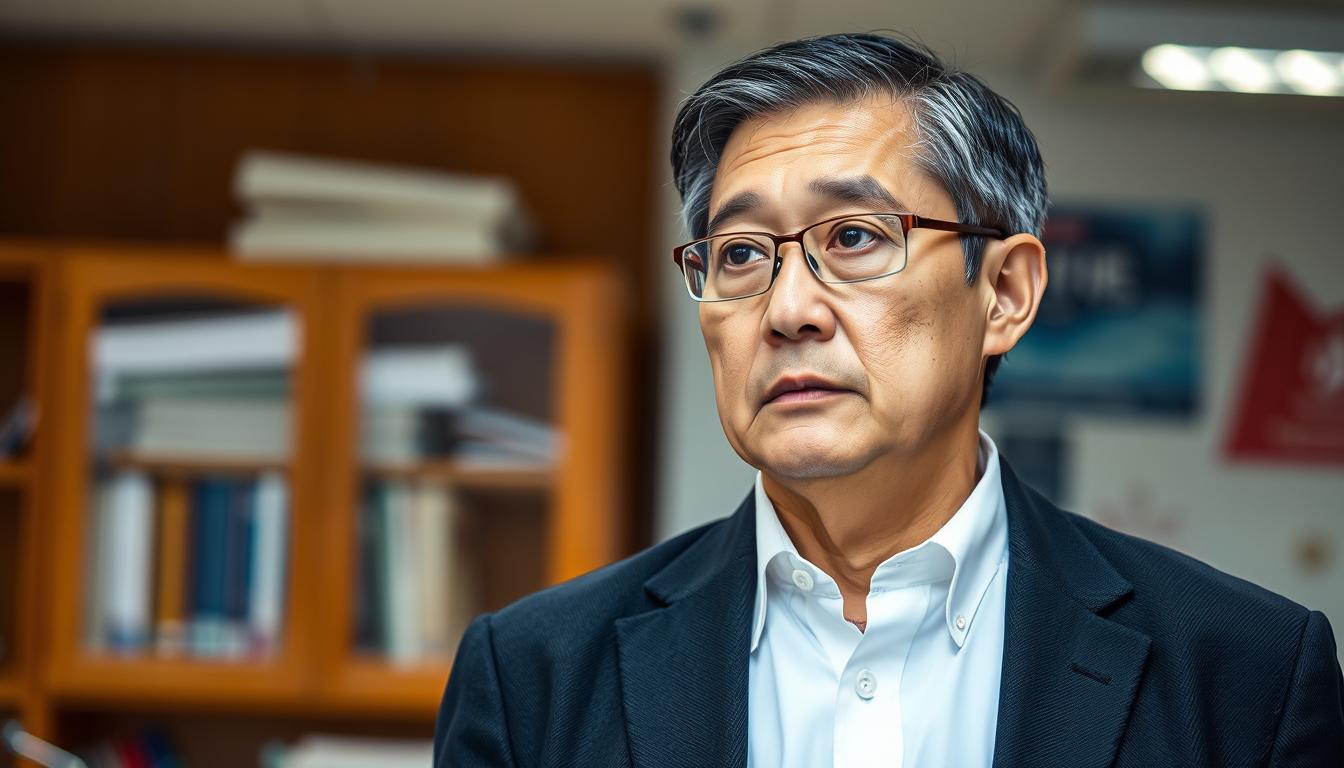
by Tongji University is a top school in China, famous for its academic excellence. Can Yi, a PhD Candidate there, is making big strides in his research field.
Can Yi’s work is done in the rigorous academic environment of Tongji University. This setting lets him dive into new areas of study. The university’s high standing in academia adds credibility to his research, showing its possible impact.
Being a PhD student at Tongji University, Yi joins a community that prizes innovation and academic success.
The Academic Journey of Can Yi
Can Yi, a PhD candidate at Tongji University, has made significant strides in Chinese art research. His education and qualifications have prepared him well for his current research.
Educational Background and Qualifications
Undergraduate and Master’s Studies
Can Yi started with undergraduate studies in a field related to Chinese art and culture. His undergraduate thesis showed his deep interest in traditional Chinese painting. Then, he earned his master’s degree, improving his skills and knowledge.
At Tongji University, Can Yi dove into doctoral research. He worked under the watchful eyes of top professors. His research focuses on a part of Chinese art, adding to the field’s knowledge. The university’s strict academic environment helped him sharpen his research abilities.
Can Yi has always aimed for academic greatness and loves Chinese art. His education and qualifications have given him the tools to succeed in his research. He is set to make important contributions to the field.
Can Yi’s Research Focus and Specialization
Can Yi’s research covers a wide range, focusing on blending traditional art with today’s world. As a PhD candidate at Tongji University, he dives deep into Traditional Chinese paintings. He looks at how these paintings have evolved and remain relevant today.
Primary Research Areas
Can Yi mainly studies Traditional Chinese art, focusing on its role in today’s society. His work explores how old techniques and themes can be updated for modern times.
Integration of Traditional Art in Contemporary Contexts
Merging traditional art with today’s world is a challenging task. It requires balancing old traditions with new ideas. Can Yi’s research shows the value of using traditional methods in fresh ways. For example, he demonstrates how traditional Chinese painting can be mixed with modern materials and themes to create new art.
“The true value of traditional art lies not in its adherence to historical methods, but in its ability to evolve and adapt to the contemporary world.” – Can Yi
Theoretical Frameworks
Can Yi’s research is based on art history and theory. He looks at different ways to understand Traditional Chinese paintings. This includes their historical background, cultural importance, and beauty. His work helps us see how traditional art can be appreciated by today’s viewers.
Can Yi also studies various theories about Traditional Chinese art. Below is a table that lists some of these theories:
| Theoretical Framework | Description | Application in Can Yi’s Research |
|---|---|---|
| Historical Contextualization | Understanding art within its historical period | Analyzing the evolution of Traditional Chinese paintings |
| Cultural Semiotics | Examining the cultural symbols and meanings in art | Deciphering the cultural significance of motifs in Traditional Chinese paintings |
| Aesthetic Analysis | Focusing on the aesthetic qualities of art | Evaluating the beauty and emotional impact of Traditional Chinese paintings |
By examining these theories, Can Yi’s research helps us understand Traditional Chinese paintings better. It shows their importance in today’s art world.
Artistic Foundations: Can Yi’s Training in Chinese Calligraphy
Can Yi was introduced to Chinese Calligraphy at a young age. This early start set the stage for his future in art. As a calligraphy artist, he worked hard to perfect his craft.
Early Exposure to Traditional Art Forms
Can Yi’s introduction to Chinese Calligraphy was deep and meaningful. It was more than just a casual interest. The art’s focus on brushstrokes and emotions really spoke to him.
Childhood Influences
Can Yi grew up surrounded by Chinese Calligraphy’s rich culture. His childhood influences came from family members who practiced it. They taught him the importance of keeping cultural traditions alive through art.
“The art of Chinese Calligraphy is not just about writing characters; it’s about conveying the essence of one’s being.”
Formative Artistic Experiences
Can Yi’s early artistic experiences were shaped by Chinese Calligraphy. He spent hours practicing strokes and mastering scripts. This training improved his skills and deepened his love for the art.
As Can Yi’s artistic journey continued, Chinese Calligraphy remained a key influence. It has shaped his approach to other art forms and enriched his overall style.
The Intersection of Academic Research and Artistic Practice
Can Yi combines art and research in a unique way. This approach brings new insights into how art influences research. It helps us understand the connection between creativity and academic study better.
How Art Informs Research Methodology
Can Yi’s art background shapes his research methods. He uses a mix of disciplines, making his research more complete. His art adds depth to his findings.
Practice-Based Research Approaches
Can Yi sees creating art as a way to research. He tries out different brushstrokes to express complex ideas and feelings. This method lets him explore new ways to communicate.
Documentation and Analysis Techniques
Recording and analyzing his art-making is key to Can Yi’s research. He studies his brushstrokes to understand their impact on his work. This helps him see how his creative choices shape his art.
By deeply analyzing his art, Can Yi learns more about brushstrokes. He discovers how they can express emotions and ideas. This knowledge enriches both his research and his art.
Mastery of Traditional Chinese Painting Techniques
Can Yi has a deep understanding of traditional Chinese art. He is skilled in Shan Shui, or landscape painting. This art form requires mastering various techniques, like painting mountains and water, and understanding spatial composition.
Landscape Painting (Shan Shui) Expertise
Can Yi’s talent in Shan Shui is clear in his detailed paintings. He captures the essence of nature, showing his skill and commitment to the craft.
Mountain and Water Depiction Methods
Depicting mountains and water is key in Shan Shui. Can Yi uses traditional methods to show the beauty of these elements. His brushstrokes and ink techniques balance the solidity of mountains with the flow of water.
Spatial Composition Principles
Can Yi also follows traditional spatial composition principles. He arranges elements in his paintings for balance and beauty. This creates a sense of depth and harmony in his work.
Can Yi’s expertise in traditional Chinese painting, mainly in landscape painting (Shan Shui), highlights his artistic talent. His work preserves and promotes traditional techniques, keeping them alive for future generations.
Can Yi’s Distinctive Brushstroke Techniques
Can Yi has a deep understanding of traditional Chinese art. He has developed a unique style through his brushstroke techniques. This is thanks to his extensive research and practice in Chinese calligraphy and painting.
Development of Personal Style
Can Yi’s personal style has grown a lot over time. It has been shaped by his education and artistic training. His brushstroke techniques mix traditional methods with modern twists.
Evolution of Artistic Voice
Can Yi’s artistic voice has changed a lot. He started by copying traditional styles. Now, he has his own unique way of creating art.
Signature Elements and Motifs
Can Yi’s work stands out because of certain elements. He uses bold brushstrokes and detailed work. These features make his art unique and show his personal touch.
| Technique | Description | Characteristics |
|---|---|---|
| Bold Brushstrokes | Confident and expressive strokes | Dynamic, emotive |
| Intricate Details | Delicate and precise work | Intricate, nuanced |
| Mixed Media | Combination of traditional and modern media | Innovative, layered |
Can Yi’s brushstroke techniques show his skill in traditional Chinese art. They also show his ability to innovate and explore new ideas in art.
Notable Research Projects and Publications
Can Yi is a PhD candidate at Tongji University. He has worked on many important research projects. These efforts have greatly improved his academic standing and helped the field grow.
Key Academic Contributions
Can Yi’s research has been published in top journals and presented at global conferences. His work explores innovative methodologies and cutting-edge technologies.
Journal Articles and Conference Papers
He has published articles in peer-reviewed journals and given papers at international conferences. The academic world has welcomed his work.
Research Grants and Funding
Can Yi has won research grants from well-known organizations. This funding has allowed him to carry out his research freely.
| Publication/Presentation | Type | Year |
|---|---|---|
| Research on Advanced Materials | Journal Article | 2022 |
| International Conference on Sustainable Energy | Conference Paper | 2023 |
| Grant for Environmental Studies | Research Grant | 2021 |
Can Yi’s work shows his commitment and the quality of his research. His contributions are making a big difference in his field.
Exhibitions and Public Recognition of Can Yi’s Artistic Work
Can Yi’s talent has been seen in many exhibitions. He has earned public recognition for his work in Chinese art. His art mixes old techniques with new ideas.
Can Yi has shown his art in both solo and group exhibitions. These events have shown off his skill. They have also helped grow his fame in the art world.
Solo Exhibitions
Can Yi has had many solo shows. These shows have let him share his artistic vision. They have been loved by critics and the public.
Gallery Presentations in China
In China, Can Yi’s solo shows have been in top galleries. For example, his show at the Shanghai Art Museum was big. It featured his landscape paintings.
International Exhibition History
Can Yi’s talent has been seen worldwide. He has shown his art in big cities. His show at the Biennale in Venice was a big moment. It introduced his work to people all over.
| Exhibition | Location | Year |
|---|---|---|
| Solo Exhibition | Shanghai Art Museum, China | 2018 |
| Biennale in Venice | Venice, Italy | 2020 |
| Group Exhibition | Beijing Gallery, China | 2019 |
The public recognition Can Yi has gotten shows his hard work in Chinese art. He keeps finding new ways to use old ideas. He will likely stay important in art, both in China and worldwide.
Teaching Philosophy and Mentorship Approach
Can Yi has a deep background in Chinese calligraphy and traditional painting. His teaching philosophy focuses on boosting creativity and critical thinking in students.
As a PhD candidate at Tongji University, Can Yi combines traditional techniques with modern academic standards. His mentorship balances guidance and independence. This lets students find their own artistic voice.
Pedagogical Methods
Can Yi’s teaching methods aim to deepen students’ understanding of traditional Chinese art. He stresses the need to master basic techniques first. Then, he encourages students to try new and innovative approaches.
Classroom Techniques and Approaches
In class, Can Yi uses various teaching methods. He does demonstrations, critiques, and discussions. He wants students to connect with the material personally, creating a collaborative learning space.
Workshop Facilitation
At workshops, Can Yi aims for an interactive and engaging experience. He leads participants through exercises to improve their skills in traditional Chinese painting and calligraphy.
International Collaborations and Cross-Cultural Exchange
Can Yi’s work has greatly benefited from international collaborations. These efforts have led to cross-cultural exchange and growth in academia. By working with people from different backgrounds, Can Yi has enriched their research and art.
Partnerships with Western Institutions
Can Yi’s work with Western institutions has been key. It has helped start a dialogue that boosts research and creativity. This collaboration has allowed for the sharing of new ideas and methods.
Academic Exchange Programs
Academic exchange programs have opened doors for Can Yi. They have introduced them to international scholars and new ways of researching. This has broadened their knowledge and enriched their research.
Research Partnerships
Research partnerships with Western institutions have been fruitful. Can Yi has worked on projects that mix traditional Chinese art with modern research. This has led to groundbreaking results that show the power of combining cultures and knowledge.
Through international collaborations and cross-cultural exchange, Can Yi keeps contributing to the global academic world. They are helping to drive innovation and understanding through their research and art.
Current Research Projects and Future Directions
Can Yi is a PhD candidate at Tongji University. He is working on several projects that will shape his future. His research focuses on traditional Chinese art and its role today.
Ongoing Investigations
Can Yi is studying how traditional Chinese painting meets modern art. He looks at old art forms and how they can be new again.
Dissertation Focus and Progress
His dissertation is about keeping traditional Chinese landscape painting alive. He has done a lot of fieldwork and talked to many artists.
Parallel Research Initiatives
Can Yi is also working on other projects. He looks at how traditional Chinese art can be used in today’s art and design. He works with artists from different cultures, learning about their art.
Can Yi’s current research is helping him grow as a scholar. It’s also helping the field of Chinese art studies. His future directions might include more work on combining old and new art.
Can Yi’s research is set to make a big impact on Chinese art. His work will be important in both schools and the art world.
The Significance of Can Yi’s Work in Contemporary Chinese Art
Can Yi’s work has greatly influenced contemporary Chinese art. He combines cultural heritage with modernity. As a PhD candidate at Tongji University, his art blends traditional Chinese techniques with modern styles.
Can Yi’s work shows in both his art and research. He connects traditional art with modern practices. This has made a big impact on the art world.
Preserving Traditional Techniques in Modern Contexts
Can Yi focuses on keeping traditional Chinese art alive. He innovates within modern contexts. This way, he keeps traditional art relevant today.
Cultural Heritage Preservation Efforts
Can Yi works hard to save cultural heritage. He pays close attention to traditional techniques. He’s involved in projects to document and promote traditional Chinese art.
Innovation Within Tradition
Can Yi also innovates within traditional art. He adds modern elements to traditional forms. This creates exciting works for many people.
| Aspect | Traditional Techniques | Modern Innovations |
|---|---|---|
| Cultural Significance | Preserves heritage | Enhances relevance |
| Artistic Expression | Maintains traditional forms | Introduces new elements |
| Audience Engagement | Appeals to traditionalists | Attracts modern art enthusiasts |
Can Yi’s work is special because he balances tradition and innovation. His contributions are key to contemporary Chinese art. He preserves heritage and opens doors for future artists.
Conclusion: The Enduring Legacy of Can Yi’s Dual Contributions to Academia and Art
Can Yi’s journey at Tongji University, Shanghai, has been remarkable. He has made big contributions to both academia and art. His work combines research and traditional Chinese painting, creating something unique.
Can Yi’s legacy is about keeping traditional techniques alive while adding a modern twist. His research has shown the importance of Chinese calligraphy and painting. At the same time, his art brings these traditions to today’s world.
As Can Yi grows as a scholar and artist, his work will keep influencing both fields. His focus on cross-cultural exchange helps us see how art and academia connect. This opens doors for future scholars and artists.