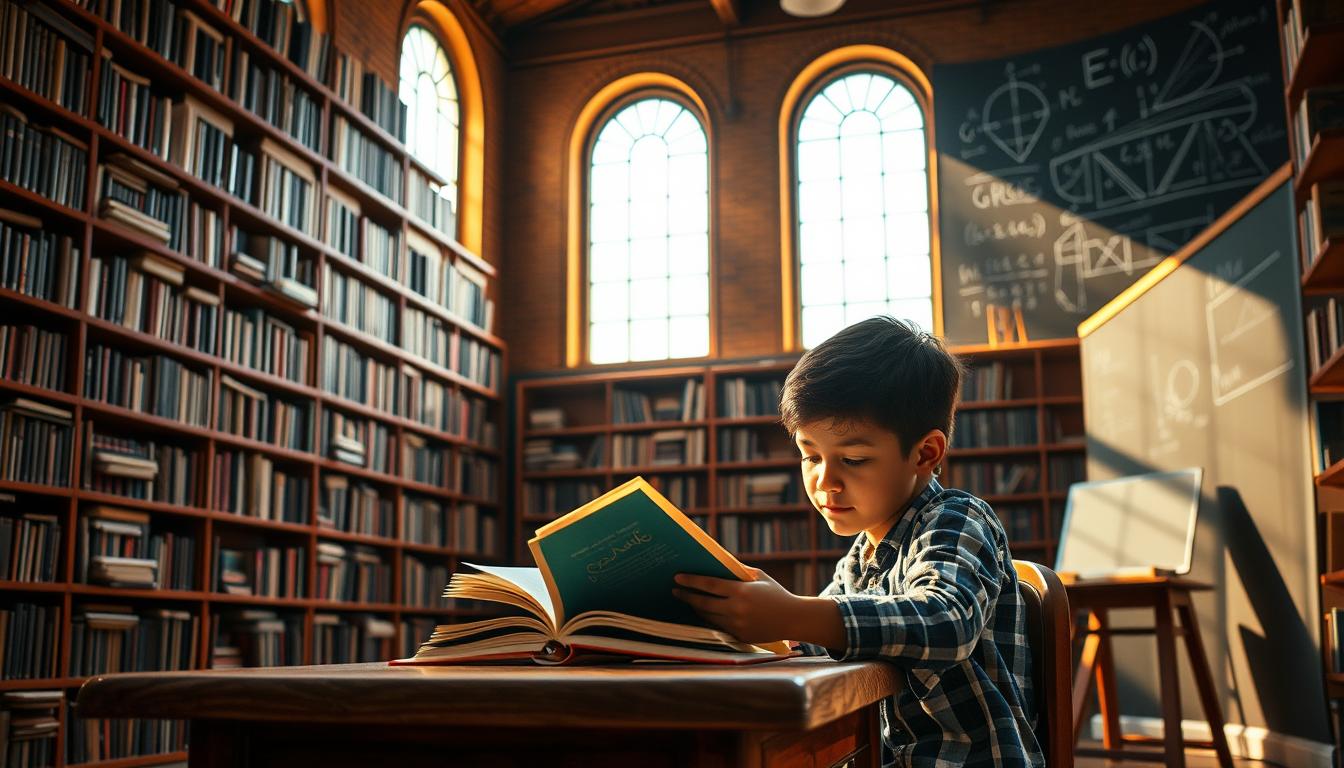
 by
by Education is the cornerstone of personal and societal development. It shapes our lives and boosts community well-being. Studies show it’s key for personal growth and societal progress.
The value of education is in giving us knowledge and skills. It makes us think critically. This leads to a more informed and active citizenry, driving change and growth.
Understanding the importance of education shows its impact on us and our world. As a society, we must see education’s role in shaping our future.
The Fundamental Concept of Education in Modern Society
In today’s fast world, education is key to shaping people and communities. It’s more than just school; it’s a lifelong journey that changes with society’s needs.
Education isn’t just in classrooms anymore. It includes online learning, vocational training, and learning on your own. This makes education more open to everyone.
Defining Education Beyond the Classroom
Learning outside school is a big part of education today. This includes informal learning from daily life and non-formal education in structured settings outside school.
Education helps us grow personally and helps society too. Seeing education in all its forms shows its wide impact on our lives.
The Evolution of Educational Paradigms
Educational ideas have changed a lot, thanks to tech, society’s needs, and the economy. The old classroom model is now more flexible and open to everyone.
| Educational Paradigm | Characteristics | Impact |
|---|---|---|
| Traditional Classroom | Teacher-centered, rigid structure | Limited accessibility, one-size-fits-all approach |
| Modern Education | Student-centered, flexible, technology-integrated | Increased accessibility, personalized learning experiences |
The shift in education shows how society’s needs have changed. It highlights education’s role in personal and societal growth. As education keeps evolving, its positive effects on society will grow too.
Historical Perspective: Education Through the Ages
Education has always been key to human progress. It shows how societies have changed over time. The need for education in career development has driven its growth.
From Ancient Civilizations to Industrial Revolution
In ancient times, only the elite got to learn. They studied philosophy, warfare, and governance. The ancient Greeks saw education as vital for personal growth and civic duty.
As societies grew, so did education. The Industrial Revolution led to more practical, job-focused training.
The Industrial Revolution was a big change for education. It brought the need for a skilled workforce. This led to formal education systems and standardized curricula.
The Democratization of Education in the 20th Century
The 20th century saw education expand a lot. It became more accessible and democratic. Governments and groups saw education’s value for career growth and social mobility.
They worked to make education available to more people, including those who were once left out. This era also brought specialized education and vocational training. Education’s role in personal growth was recognized too.
This period set the stage for today’s education systems. It focuses on making education accessible, fair, and helping people reach their full human capacity.
The Importance of Education for Individual Development
Education is key for personal growth, helping with both mind and morals. It’s a broad process that greatly aids in a person’s development.
Cognitive and Intellectual Growth
Education boosts our thinking skills and intellectual growth. It helps us learn to analyze, synthesize, and evaluate. This is vital for making smart choices and dealing with today’s world.
Cognitive development goes beyond school grades. It also means being creative and solving problems well. As we learn more, we explore different subjects and activities. This sparks our curiosity and love for learning.
Character Formation and Values
Education is more than just learning facts; it shapes our character and values. Schools teach us important life skills like teamwork, empathy, and responsibility. These are key for growing as a person and fitting into society.
The school setting shapes our moral compass, teaching us what’s right and wrong. This education helps us become good citizens who help our community.
Critical Thinking and Problem-Solving Skills
Education is great for developing critical thinking and problem-solving skills. It teaches us to question, analyze, and argue well. These skills are essential in life and work, helping us tackle challenges and make smart choices.
By teaching critical thinking, education prepares us for a changing world. It helps us solve problems and adapt to new situations, making us resilient.
Education as a Catalyst for Career Development
Education is key for career growth in today’s world. As jobs change and get more complex, education’s role in getting ready for work is more important than ever.
Qualification Requirements in the Modern Job Market
In today’s job market, having the right qualifications is essential for moving up. Employers want candidates with degrees and certifications that match their industry’s needs. Education gives individuals the qualifications that make them stand out to employers.
The job market today is all about skilled workers. Areas like tech, healthcare, and finance need people with advanced knowledge. Getting a higher education can give you an edge and open up better job chances.
Specialized Knowledge and Professional Advancement
Specialized knowledge is what drives career growth. As industries get more complex, the need for experts in specific areas grows. Education helps individuals get this specialized knowledge, preparing them for leadership roles.
But education isn’t just about formal degrees. Professional certifications, workshops, and ongoing learning are also important. They help keep professionals current with their field’s latest trends, boosting their career chances.
The Economic Benefits of Education
Investing in education brings big economic wins. It boosts what people earn and helps countries grow. Education is a major driver of economic growth and development.
Higher Earning and Financial Security
Education’s biggest economic win is how it boosts what people earn. Studies show that those with more education make more money. This not only helps them financially but also helps the whole society.
Higher education opens better job doors and raises salaries. This leads to more financial stability for families and individuals.
Contribution to National Economic Prosperity
Education is key to a country’s economic health. A smart, educated workforce is more productive and innovative. This makes a country’s economy strong and its people’s lives better.
The economic benefits of a well-educated population go beyond just earning more. They also drive innovation, entrepreneurship, and growth at a national level.
By encouraging lifelong learning and investing in education, societies gain a lot. They see better productivity, competitiveness, and economic success for everyone.
Education and Social Mobility: Breaking the Cycle of Poverty
Education is key to breaking free from poverty. It not only improves a person’s social status but also boosts the economy.
Creating Opportunities for Disadvantaged Communities
Education opens doors for those who have less. It gives them the skills for stable jobs. Programs like scholarships and vocational training help make education more available.
“Education is the most powerful weapon which you can use to change the world.” – Nelson Mandela
Studies show that better education leads to better lives. For example, a scholarship program for poor students greatly improved their grades and careers.
Success Stories and Statistical Evidence
Many have overcome poverty through education. They become leaders, inspiring others to learn.
| Indicator | Pre-Education | Post-Education |
|---|---|---|
| Employment Rate | 40% | 80% |
| Average Income | $20,000 | $40,000 |
| Higher Education Enrollment | 20% | 60% |
Numbers back up these stories. They show that more education means better jobs and higher income.
In summary, education is vital for social mobility. It offers chances for those in need and helps them reach their goals, ending poverty.
The Role of Education in Personal Growth and Self-Actualization
Education is key to personal development. It lets people find out what they can do. It helps grow and reach one’s full self.
It’s more than just grades. It’s about knowing yourself and the world. Education helps find what you love and are good at.
Discovering Passions and Talents
Education helps find what you’re passionate about. It lets you try different things. This way, you find where you shine.
Knowing your strengths is important. It helps you find jobs or hobbies that make you happy.
Building Confidence and Self-Efficacy
Education boosts confidence and self-belief. Achieving goals and getting praise makes you feel more capable. This lets you take on bigger challenges.
| Aspect | Role of Education | Outcome |
|---|---|---|
| Personal Growth | Fosters self-discovery and skill development | Increased self-awareness and confidence |
| Passion and Talent Identification | Exposes individuals to various subjects and activities | Discovery of personal strengths and interests |
| Self-Efficacy | Provides opportunities for achievement and feedback | Enhanced confidence and capability |
Education helps you grow and find your true self. The benefits of education go beyond school. They shape your life in many ways.
Education’s Impact on Society and Civic Engagement
Education is key to a healthy society, touching many parts of community life. It boosts personal chances and helps society as a whole.
Education’s value goes beyond personal growth. It makes communities more informed, active, and united. It gives people the knowledge and skills to shape society’s future.
Creating Informed Citizens and Strengthening Democracy
Education helps make citizens who know their stuff. It gives them the skills to take part in democracy. This way, they can make choices that help everyone, not just themselves.
Education boosts civic engagement. People who are educated tend to vote, volunteer, and get involved in public life. This strengthens democracy.
Fostering Social Cohesion and Cultural Understanding
Education is also key in bringing people together and understanding cultures. It opens minds to different views and cultures. This helps break down barriers and builds tolerance.
In diverse societies, education is a powerful tool for unity. It helps people see and value different cultures. This leads to a more welcoming and inclusive place.
Research shows education can close social and economic gaps. It offers a chance for everyone to move up, making society fairer.
Global Perspective: The Value of Education Worldwide
Education is seen as a basic right that shapes the future of people and societies everywhere. It’s key for economic growth, social movement, and personal growth.
Education as a Universal Right
Many global agreements, like the Universal Declaration of Human Rights, say education is a universal right. This shows how important education is for fairness, equality, and dignity. Making sure everyone has quality education is vital for a better future.
Key aspects of education as a universal right include:
- Equal access to education for all, no matter their background or wealth
- Quality education that fits the needs of different learners
- Legal and policy protections for the right to education
Education in Developing Nations: Challenges and Progress
In developing countries, education faces big hurdles like poor infrastructure and limited resources. But, there’s been a lot of progress in getting more people to school and improving their learning.
| Region | Literacy Rate (%) | Enrollment Rate (%) |
|---|---|---|
| Sub-Saharan Africa | 65 | 78 |
| South Asia | 72 | 85 |
| Latin America | 92 | 95 |
The table shows literacy and enrollment rates in different areas. It shows the progress made and the work left to do for universal education.
Barriers to Educational Access and Achievement
Many obstacles block the path to educational equality. Despite efforts to better education worldwide, challenges remain. These hurdles affect both individuals and communities. They include economic gaps, location and infrastructure issues, and cultural and systemic barriers.
Socioeconomic Disparities
Socioeconomic status greatly impacts education. People from lower-income families often can’t afford higher education. The effects of economic differences on education are wide-reaching, impacting not just the individual but also their community and society.
Some key economic factors are:
- Income level
- Parental education background
- Access to educational resources
| Socioeconomic Factor | Impact on Education |
|---|---|
| Low Income | Limited access to educational resources |
| Parental Education Background | Influences educational aspirations and expectations |
Geographic and Infrastructure Limitations
Location and infrastructure are key in education. Rural or remote areas lack schools, have poor infrastructure, and limited digital access. This digital gap widens educational gaps, leaving some groups behind.
Important location and infrastructure issues are:
- Lack of educational institutions
- Inadequate infrastructure
- Limited access to digital learning platforms
Cultural and Systemic Barriers
Cultural norms and systemic issues also block education. Gender biases, cultural expectations, and unfair practices in schools can stop certain groups from learning. It’s vital to tackle these cultural and systemic barriers to achieve educational equality.
Knowing these barriers is the first step to a fairer education system. By tackling economic gaps, location issues, and cultural barriers, we can ensure quality education for all.
The Future of Education: Trends and Innovations
Education is on the verge of a big change, thanks to new tech and learning styles. This change shows how important education is for our careers. New technologies and ways of learning are making a big impact.
Technology and Digital Learning Platforms
Technology is changing how we learn, making it easier and more fun. Digital platforms offer personalized learning experiences. This means education can fit each person’s needs better, improving quality.
Personalized Education Models
Personalized learning is becoming more popular. It lets people learn at their own speed and focus on what interests them. This method boosts learning results, keeps learners interested, and makes them happier.
Lifelong Learning in a Rapidly Changing World
With tech advancing so fast, lifelong learning is more important than ever. Education isn’t just for school; it’s for life. Keeping up with learning is key for career growth and personal development.
Practical Steps to Maximize Educational Opportunities
Getting an education is more than just going to class. It’s about using all the resources and help you can get. This is key for growing personally and professionally.
Navigating Educational Pathways
Finding your way through education is important for reaching your goals. It means knowing all the educational choices out there. This includes schools, online classes, and vocational training. Picking the right path can make your education better and open up more opportunities for you.
- Researching different educational institutions and programs
- Considering factors such as curriculum, faculty expertise, and alumni success
- Seeking guidance from academic advisors and career counselors
Leveraging Resources and Support Systems
Using all the help you can get is key to success in school. This includes using academic support services like tutoring and study groups. Also, looking into financial aid and scholarships can help make education more affordable.
- Applying for scholarships and grants
- Accessing academic support services on campus
- Engaging with peer networks and professional organizations
Overcoming Personal Challenges to Educational Success
Dealing with personal issues is a big part of getting an education. It’s about being strong and never giving up when things get tough. By managing your time well and getting help from loved ones and mental health experts, you can get through these hard times and keep your focus on your goals.
“The key to success is not just about avoiding failure, but about persisting through challenges and learning from them.”
Conclusion: The Enduring Significance of Education in Human Progress
Education is key to human progress. It shapes individuals, communities, and societies. It helps grow our minds, builds character, and teaches us to think critically.
Education’s value shows in many areas of life. It helps in career growth, economic success, and social mobility. As the world changes, education’s role in lifelong learning becomes more important.
Studies show education is vital for progress. By valuing education and overcoming barriers, we can unlock people’s and communities’ full potentials. This drives progress and prosperity for future generations.