 by
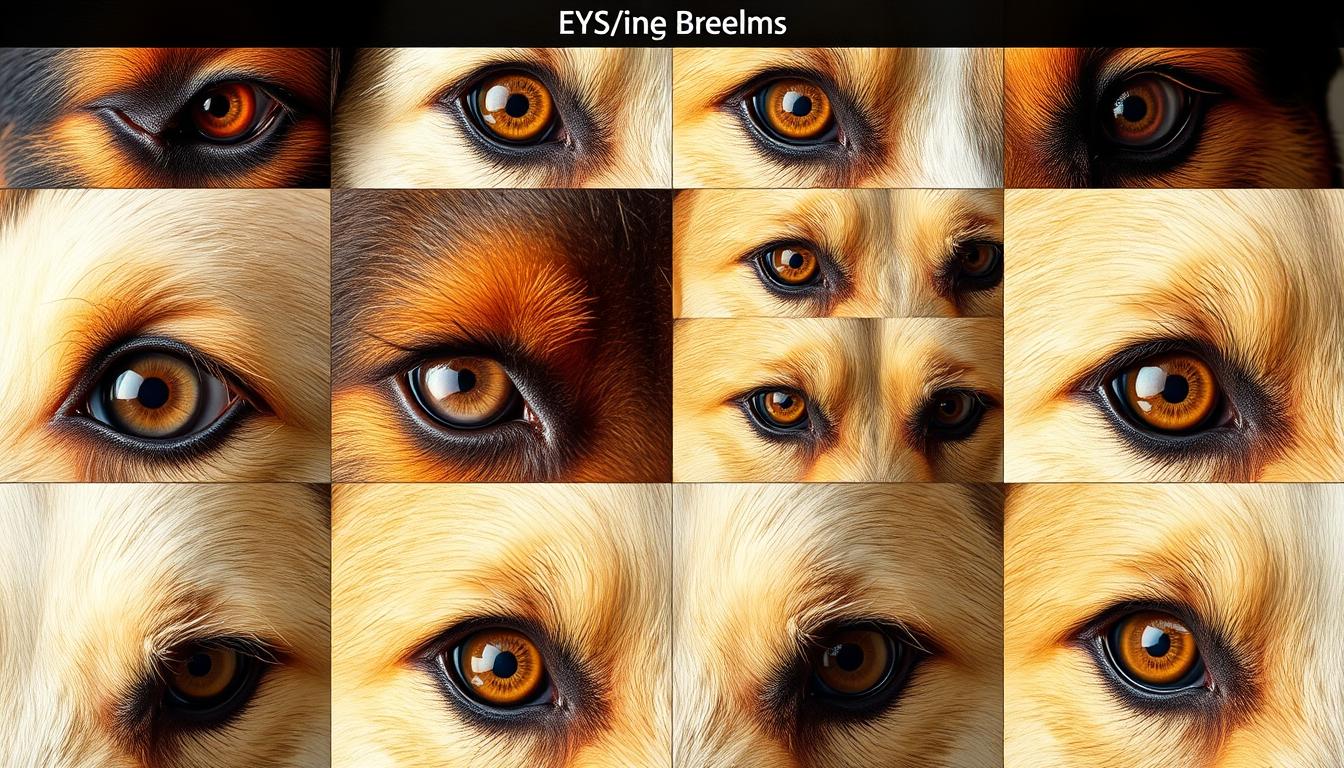
by Dogs’ eyes are complex and vary significantly across breeds, influencing their vision and expression. The diversity in dog eye shapes is a fascinating aspect of their anatomy. It plays a key role in defining breed characteristics.
The unique characteristics of each breed’s eyes come from genetics and environment. Knowing these traits helps us appreciate the distinct features of different breeds.
Exploring dog eye shapes helps us understand their importance in canine anatomy. It shows how they contribute to the overall expression and health of our canine friends.
The Science Behind Canine Eye Shapes
Exploring the science of canine eye shapes takes us into the world of evolution and genetics. The variety in dog eye shapes is more than just about looks. It shows how a breed’s history, function, and genetics all come together.
Evolutionary Development of Eye Structures
The way canine eye structures evolved is tied to the tasks breeds were bred for. For example, hunting and herding dogs have eyes that help them see better around them and judge distances. Through natural selection and breeding, dogs’ eye shapes have changed to fit their jobs, leading to the many shapes we see today.
| Breed Group | Typical Eye Shape | Functional Advantage |
|---|---|---|
| Hunting Breeds | Almond-shaped | Enhanced peripheral vision |
| Herding Breeds | Oval | Improved depth perception |
| Companion Breeds | Round or Protruding | Aesthetic appeal |
Genetic Factors Influencing Eye Shape
Genetics are key in shaping a dog’s eye shape. Certain genes guide how the eye and its surroundings develop. This affects whether a dog has eyes that stick out, are set deep, or are average.
Breeders have focused on these genetic traits, leading to the eye shapes we know today. Knowing about these genetics helps breeders and owners. It’s important because some eye shapes face more health risks.
For instance, dogs like Pugs and Bulldogs with sticking-out eyes are more at risk for eye injuries and problems like corneal ulcers. On the other hand, dogs with deep-set eyes might face issues like entropion. By understanding these genetic factors, breeders can work to improve eye health in their dogs.
Eye Shape Characteristics: A Comprehensive Overview
A dog’s eye is a complex system that changes a lot between breeds. This change affects their vision and how well they can do things. Eye shape is not just about looks; it impacts a dog’s life and abilities.
Anatomical Components of the Canine Eye
The dog’s eye has several important parts, like the cornea, iris, pupil, lens, retina, and optic nerve. Each part helps with seeing. The cornea bends light, and the iris changes the pupil size to control light.
The shape of the eye comes from the orbital structure and eyelids. Dogs with a clear stop have more noticeable eyes. Dogs with flat faces have eyes that stick out more. Knowing these parts helps us see how eye shape affects vision.
| Anatomical Component | Function |
|---|---|
| Cornea | Refracts light |
| Iris | Controls light entry |
| Pupil | Regulates light intensity |
| Lens | Focuses light on the retina |
| Retina | Converts light into neural signals |
How Eye Shape Affects Vision and Function
The shape of a dog’s eye greatly impacts its vision and how it functions. Dogs with sticking-out eyes, like Pugs and Bulldogs, are more likely to get eye injuries. Dogs with deep-set eyes, like Borzois, might see less.
Veterinary ophthalmologists say, “Eye shape and size can affect eye health and vision.” This shows why knowing about eye shape and vision is key.
An Eye Shape Chart helps show the different eye shapes in breeds. It lets owners and breeders understand breed characteristics and vision health.
Classification of Canine Eye Shapes
Dogs come in many eye shapes, each special in its own way. Knowing these differences helps us see the beauty in all dogs.
Almond-Shaped Eyes
Almond-shaped eyes look like almonds, long and oval. You can find these in Siberian Huskies and Afghan Hounds. They help dogs see wide and are loved for their looks.
Round Eyes
Round eyes are big and stick out a lot. You’ll see them in Boston Terriers and Pugs. But, they might get hurt easily because they stick out.
Triangular and Oriental Eyes
Triangular or Oriental eyes are sharp and point up at the outside. Look for them in Chow Chows and Shih Tzus. They make the face look special.
Knowing about eye shapes helps us tell breeds apart. It’s also key for Eye Shape Analysis in vet care. It lets us see what makes each dog unique.
Identifying Different Eye Shapes in Dogs
The shape of a dog’s eyes can tell a lot about its breed and traits. To spot a dog’s eye shape, look at its face and eye details.
Visual Guide to Eye Shape Recognition
A visual guide is super useful for spotting different eye shapes in dogs. By checking the eyes’ shape, size, and how they sit, you can sort them into types. For example, some dogs have almond-shaped eyes, while others have round or triangular eyes.
Distinguishing Features and Markers
There are key features and markers for each eye shape. These include the eyes’ angle, size compared to the head, and eyelid shape. Here’s a table that lists common eye shapes and their key features:
| Eye Shape | Distinguishing Features |
|---|---|
| Almond-Shaped | Elongated, slightly pointed at the outer corner |
| Round | Curved, equal width and height |
| Triangular | Angular, with a pointed outer corner |
Knowing these traits helps dog lovers and owners see and enjoy the special eye shapes of different breeds.
Brachycephalic Breeds and Their Distinctive Eye Features
Breeds with brachycephalic skulls have unique eye shapes. These shapes are both beautiful and important for their health. Their faces are compact, leading to big, sticking-out eyes.
Bulldogs, Pugs, and French Bulldogs
Bulldogs, Pugs, and French Bulldogs have special faces. Their eyes are big and round, standing out because of their shallow sockets. This eye shape can lead to eye problems like bulging eyes and dry spots on the cornea.
| Breed | Eye Shape Characteristics | Common Eye Issues |
|---|---|---|
| Bulldog | Large, round, and prominent | Proptosis, Cherry Eye |
| Pug | Large, dark, and protruding | Proptosis, Exposure Keratopathy |
| French Bulldog | Round, wide-set, and expressive | Dry Eye, Proptosis |
Boston Terriers, Pekingese, and Shih Tzus
Boston Terriers, Pekingese, and Shih Tzus also have unique eyes. Boston Terriers have big, round eyes that stick out a bit. Pekingese and Shih Tzus have large, dark eyes that are more likely to get irritated.
Care Considerations: Owners of these breeds need to watch out for eye problems. Regular vet visits and good eye care can help prevent some issues.
Dolichocephalic Breeds and Their Eye Characteristics
Dolichocephalic breeds have long skulls and unique eye shapes. These traits make them look different and can affect their vision. Their eye shapes are both beautiful and important for their sight.
Collies, Greyhounds, and Whippets
Collies, Greyhounds, and Whippets are great examples of dolichocephalic dogs. Their almond-like eyes help them see wide. This is super useful for Greyhounds, which need to see well to chase fast.
The almond-shaped eyes of these dogs are not just pretty. They also help with seeing things around them. Experts say, “Their eye shape lets them see more, which helps them hunt and track better.”
| Breed | Eye Shape | Vision Characteristics |
|---|---|---|
| Collies | Almond-shaped | Wide peripheral vision |
| Greyhounds | Large, almond-shaped | Excellent distance vision |
| Whippets | Large, round to almond-shaped | Good peripheral and distance vision |
Borzois, Salukis, and Afghan Hounds
Borzois, Salukis, and Afghan Hounds also have unique eye shapes. Their eyes are big and almond or oval, making them look elegant.
These dogs’ eyes help them see well and look great. Breeders say, “Their eye shape and size are key to their looks and how well they see.”
- Borzois have large, dark eyes that are almond in shape.
- Salukis possess large, oval eyes that are dark in color.
- Afghan Hounds are known for their large, almond-shaped eyes that are typically dark.
Knowing about dolichocephalic breeds’ eye traits helps us understand them better. It shows how their looks and vision work together. This knowledge helps breeders and owners take better care of these amazing dogs.
Mesocephalic Breeds and Their Balanced Eye Structure
Mesocephalic breeds have an eye shape that is just right. It’s not too far out or too hidden. This balance is key to their looks and how they function.
Their skull type is perfect for many dogs. It balances the face and head well. This balance shows in their eyes, which are often just right in size and placement.
Labrador Retrievers, Golden Retrievers, and German Shepherds
Labrador Retrievers, Golden Retrievers, and German Shepherds are great examples. Their eyes are just the right size and set well. This makes them look friendly and alert.
Labrador Retrievers have medium-sized eyes that show kindness. Golden Retrievers have dark, well-set eyes that make them look friendly. German Shepherds have almond-shaped eyes that show their smart and loyal side.
- Labrador Retrievers: Known for their friendly eyes that are medium in size.
- Golden Retrievers: Have dark, well-set eyes that add to their friendly appearance.
- German Shepherds: Characterized by almond-shaped eyes that convey intelligence.
Beagles, Border Collies, and Australian Shepherds
Beagles, Border Collies, and Australian Shepherds also have balanced eyes. Beagles have large, expressive eyes that make them look curious and friendly.
Border Collies have intelligent and alert eyes that are oval. This makes them look very attentive. Australian Shepherds have almond-shaped eyes that vary in color. This adds to their agile and smart look.
These breeds show how the mesocephalic skull leads to balanced eyes. This is a big part of their charm and appeal.
Eye Shape Variations Within Breed Groups
Different dog breeds have unique eye shapes. These shapes come from their original purpose and genetics. This variety shows how selective breeding has shaped breed-specific traits over centuries.
Sporting and Hunting Dogs
Sporting and hunting dogs are built for speed, stamina, and sharp senses. They have eye shapes that help them see better and wider. For example, Labrador Retrievers and Golden Retrievers have medium-sized, almond-shaped eyes. This helps them hunt well. Check out an Eye Shape Chart to see the differences.
Working and Herding Dogs
Working and herding dogs, like German Shepherds and Border Collies, have eye shapes that aid their work. Their eyes are often oval or almond-shaped. This helps them observe and focus well. Their eye shapes are functional and support their jobs.
Toy and Companion Breeds
Toy and companion breeds, such as Poodles and Chihuahuas, have varied eye shapes. They range from large, round eyes to oval or almond-shaped ones. These eye shapes are key to their breed identity. For example, the big, round eyes of some toy breeds make them look extra cute.
Knowing about these eye shape variations helps us appreciate each breed’s unique traits. It also helps us care for them better. By looking at Eye Shape Examples, we can understand the special needs and characteristics of different eye shapes.
How Eye Shape Contributes to Breed Expression
Eye shape is key in defining a dog breed’s look. It’s a major part of breed standards. The unique eye shapes of breeds add to their beauty and function.
The Role of Eye Shape in Breed Standards
Breed standards highlight the importance of eye shape. Some breeds have almond-shaped eyes, while others have round or protruding ones. The eye shape characteristics are vital for breed identification and are closely looked at in dog shows.
The American Kennel Club (AKC) says breed standards outline a breed’s defining traits. Eye shape is a key feature judges check for breed conformity. For example, the Siberian Husky’s almond-shaped eyes are a breed hallmark.
“The eye is a window to the soul, and in dog breeding, it’s a critical component of breed expression.” – Expert Breeder
Judging Eye Characteristics in Dog Shows
In dog shows, judges examine a dog’s eye shape to see if it meets the breed standard. The eye shape trends in breeding show how important breed-specific eye traits are. Judges look at the shape, size, color, and overall eye appearance.
| Breed | Preferred Eye Shape | Significance |
|---|---|---|
| Siberian Husky | Almond-shaped | Contributes to the breed’s distinctive expression |
| Bulldog | Round and protruding | Adds to the breed’s unique and characteristic appearance |
| Greyhound | Dark and oval | Enhances the breed’s sleek and athletic appearance |
As shown in the table, different breeds have unique eye shapes. These shapes are essential to their breed expression. Breeders and judges need to understand these traits.
Health Considerations Related to Different Eye Shapes
It’s important for dog owners to know about eye health. Different eye shapes can mean different health challenges. Understanding this helps in giving the best care to your dog.
Common Conditions in Protruding Eyes
Protruding eyes are common in brachycephalic breeds. These dogs often face corneal ulcers and dry eye.
- Corneal ulcers are open sores on the cornea, often resulting from trauma or exposure.
- Dry eye, or keratoconjunctivitis sicca, occurs when the eye does not produce enough tears, leading to irritation and potentially ulcers.
Issues Associated with Deep-Set Eyes
Deep-set eyes, found in some dolichocephalic breeds, have their own health risks. These include entropion and ectropion.
| Condition | Description | Symptoms |
|---|---|---|
| Entropion | A condition where the eyelid rolls inward | Irritation, redness, excessive tearing |
| Ectropion | A condition where the eyelid rolls outward | Dryness, exposure keratitis |
Both conditions can cause discomfort and serious problems if not treated.
Preventative Care and Early Detection
Preventative care is vital for dogs with different eye shapes. Keeping eyes clean, avoiding irritants, and protecting them from harm are important steps.
Early detection of eye problems can greatly improve treatment success. Owners should watch for signs of eye distress in their dogs.
- Regular veterinary check-ups
- Monitoring for signs of eye distress
- Maintaining good eye hygiene
The Relationship Between Eye Shape and Behavior
A dog’s eye shape is more than a physical trait. It greatly affects their behavior and how they see the world. The shape of their eyes influences their side vision, depth sense, and overall actions. This makes their eye shape very important.
How Eye Structure Affects Peripheral Vision and Depth Perception
The way a dog’s eye is built changes how they see things. Dogs with wider, more sticking-out eyes can see more on the sides. This helps them spot movement better. Dogs with deeper-set eyes might judge distances better, which is useful for certain tasks.
Peripheral Vision: Breeds with wider eyes, like some herding dogs, can spot movement easier. This makes them great for their original jobs.
Depth Perception: Dogs with eyes that help them see both eyes together, like some sight hounds, see depth better. This is key for fast chases.
Impact on Hunting, Herding, and Working Abilities
A dog’s eye shape can really affect how well they do certain jobs. For hunting dogs, seeing and following prey is key. Certain eye shapes help them do this better.
“The eye shape of hunting breeds, such as sight hounds, allows for a wide field of vision and excellent depth perception, making them adept at chasing prey over long distances.”
In herding, a wider side view is helpful for managing animals. Working dogs, like those in search and rescue, need a mix of side vision and depth sense. This helps them move through complex places.
Knowing how eye shape affects behavior helps breeders and owners. It shows how special each dog is and how their traits help them in different roles.
Cultural and Historical Significance of Eye Shapes
Breeding choices, influenced by culture and history, have shaped dog breeds’ eye shapes. Today’s eye shapes show human history and beauty standards.
Historical Breeding Decisions and Their Impact
Old breeding practices were based on a dog’s purpose. For example, herding dogs were bred for wide vision. The influence of historical breeding decisions is clear in breeds like the Greyhound and Pug.
Cultural Perceptions of Different Eye Types Across Regions
Eye shapes have been seen differently around the world. In some places, certain eyes were seen as beautiful. For instance, large, round eyes were prized in some Asian cultures.
Eye shape trends also show up in human beauty trends, like eye shape makeup. This shows how eye shapes are universally appealing.
Caring for Different Eye Types
Dogs have different eye shapes, each needing its own care. Knowing what your dog’s eyes need is key to their health.
Maintenance Routines for Protruding Eyes
Dogs like Pugs and Bulldogs have eyes that stick out. They need extra care to avoid eye problems. Clean their eyes with a damp cloth and use eye lubricant to keep them moist.
- Gently clean around the eyes daily
- Use a canine eye lubricant to prevent dryness
- Monitor for signs of irritation or infection
Care Practices for Deep-Set Eyes
Collies and Greyhounds have eyes that are set deep. They’re at risk for eye problems like entropion. It’s important to check their eyes often and keep the area clean.
- Regularly inspect for signs of entropion or ectropion
- Keep the area around the eyes clean and free of debris
- Consult a veterinarian if you notice any abnormalities
General Eye Health and Cleaning Techniques
All dogs need regular eye care, no matter their eye shape. The right cleaning methods and products are important for their eye health.
Tips for General Eye Care:
- Use a clean, damp cloth to wipe away dirt
- Avoid using harsh chemicals or human products
- Schedule regular veterinary check-ups
Conclusion
Understanding the unique Eye Shape Characteristics of different breeds is key. It helps us appreciate their diversity and ensures their health. By analyzing Eye Shape Analysis, we learn about the special features of various breeds.
Dogs come in many eye shapes, showing the complexity and richness of breed traits. Some breeds have eyes that stick out, while others have deep-set eyes. Each eye shape has its own needs and characteristics.
By recognizing these differences, we can help dogs stay healthy. Breeders, owners, and vets can work together. They can make sure dogs get the care they need for their eye shape. This way, dogs can live happy, healthy lives.
In summary, studying Eye Shape Characteristics and Eye Shape Analysis is vital. It helps us understand canine diversity better. It also promotes the welfare of dogs across different breeds.