 by
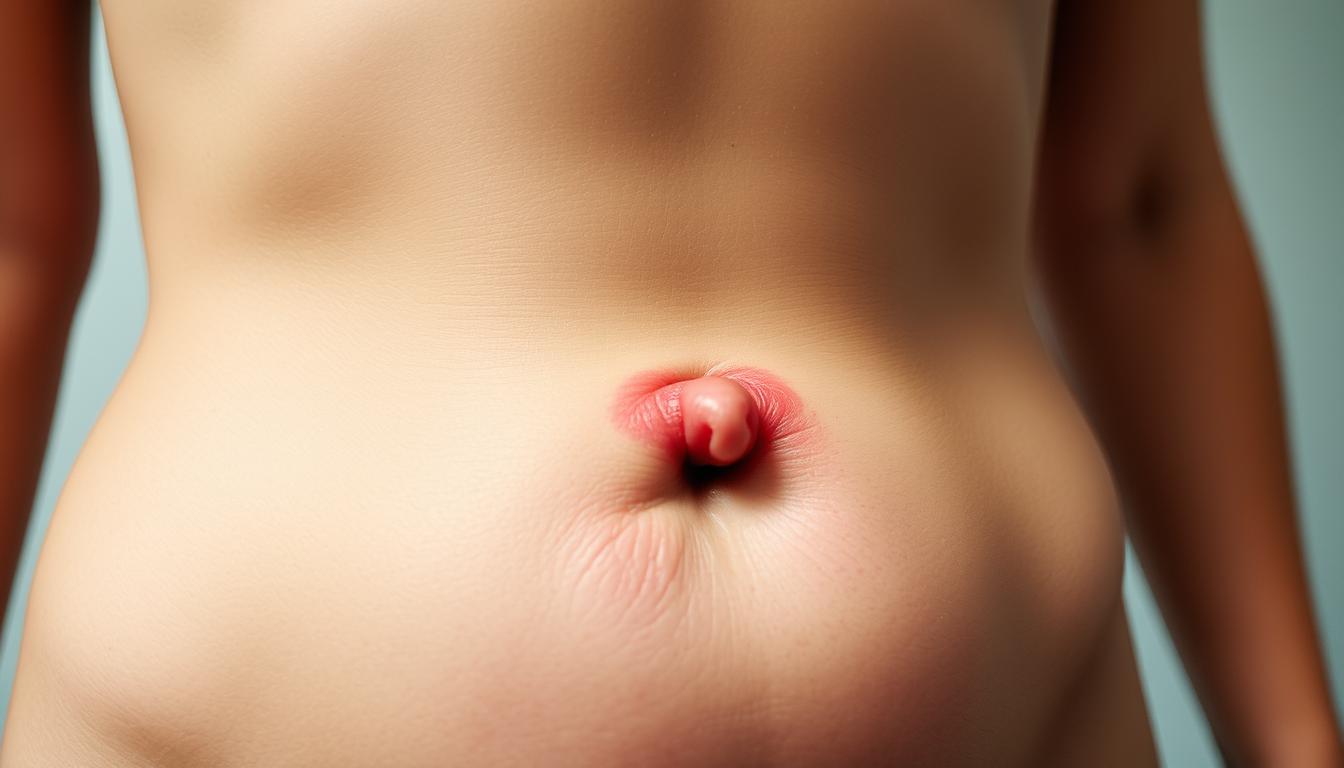
by Suprapubic pain is discomfort or pain in the lower abdomen. It’s below the belly button and above the pubic bone.
This pain can feel like a dull ache or a sharp jab. It’s often linked to several health issues. Knowing about hypogastric region pain is key, as it can signal serious problems that need doctor’s care.
Lower abdominal pain is a common issue. It can come from many causes. So, figuring out the cause is very important.
Understanding the Suprapubic Region: Anatomy and Function
Knowing the anatomy of the suprapubic region is key for diagnosing and treating health issues. This area, just above the pubic bone, is complex. It has several important structures.
Anatomical Boundaries
The suprapubic region is marked by the pubic symphysis at the front. It goes up to the umbilicus level. It’s critical because it holds parts of the urinary and reproductive systems, and the gastrointestinal tract.
Important Structures Within the Suprapubic Area
Inside the suprapubic region, you’ll find the bladder, parts of the intestines, and reproductive organs. For females, this includes the uterus. For males, it’s the prostate gland. These organs are vital for functions like urination, reproduction, and digestion.
Physiological Functions Related to the Region
The suprapubic region plays a big role in our body’s functions. The bladder stores urine, and reproductive organs are key for fertility. The intestines in this area help digest and absorb nutrients.
| Structure | Function |
|---|---|
| Bladder | Urine Storage |
| Reproductive Organs | Reproduction |
| Intestines | Digestion and Nutrient Absorption |
The complex interaction of these structures in the suprapubic region highlights its importance. Understanding its anatomy and function is vital for diagnosing and treating related health issues.
Common Characteristics of Suprapubic Pain
Understanding suprapubic pain is key to finding the right treatment. This pain can show up in different ways. It’s important to know its usual patterns and feelings.
Typical Pain Patterns and Sensations
Suprapubic pain can feel like a dull ache, sharp stabbing, or crampy. It might be constant or come and go. It can get worse with some activities or during certain times in the menstrual cycle for women. The pain’s feel can change a lot from person to person, based on the cause.
Differentiating Acute vs. Chronic Suprapubic Pain
Suprapubic pain can be either acute or chronic. Acute pain starts suddenly and might be from infections, injuries, or other quick causes. Chronic pain lasts longer and can be linked to ongoing issues like endometriosis or chronic prostatitis.
Associated Symptoms
Suprapubic pain often comes with other signs that hint at its cause. These signs include needing to pee a lot, peeing often, or feeling pressure in the pelvis. Knowing these symptoms well is important for making the right diagnosis.
| Symptom | Possible Causes |
|---|---|
| Urinary Urgency | Urinary Tract Infection, Overactive Bladder |
| Pelvic Pressure | Uterine Fibroids, Ovarian Cysts |
| Frequent Urination | Diabetes, Urinary Tract Infection |
Urinary System Causes of Suprapubic Pain
The urinary system is vital for our health. Problems in this system can cause suprapubic pain. This pain is a sign of many conditions affecting the urinary tract.
Urinary Tract Infections
Urinary tract infections (UTIs) are a common cause of suprapubic pain. UTIs happen when bacteria infect the urinary tract. Symptoms include pain while urinating, frequent urination, and discomfort in the suprapubic area. Prompt treatment with antibiotics is essential to prevent complications.
Bladder Disorders
Bladder disorders include a range of conditions that can cause suprapubic pain. These include:
- Inflammatory conditions
- Cancerous growths
- Functional disorders
Interstitial Cystitis
Interstitial cystitis, also known as bladder pain syndrome, is a chronic condition. It causes suprapubic pain and pressure. The exact cause is unknown, but it’s believed to involve defects in the bladder lining and abnormal immune responses.
Bladder Cancer
Bladder cancer can cause suprapubic pain, often in advanced stages. Symptoms may also include blood in the urine and frequent urination. Early detection is critical for effective treatment.
Urinary Retention
Urinary retention, or the inability to empty the bladder completely, can cause significant suprapubic pain. This condition can result from obstruction, neurological disorders, or medication side effects. Catheterization or other interventions may be necessary to relieve the retention.
Kidney Stones
Kidney stones can cause severe pain, often radiating to the suprapubic region. The pain can be intense and may be accompanied by nausea and vomiting. Hydration and pain management are key components of treatment, with some cases requiring surgical intervention.
In conclusion, suprapubic pain related to the urinary system can stem from various causes. These include infections, bladder disorders, urinary retention, and kidney stones. Understanding these causes is key for proper diagnosis and treatment.
Reproductive System Causes in Women
Many gynecological conditions can cause suprapubic pain in women. These include menstrual disorders and severe diseases affecting the reproductive organs.
Menstrual Cramps and Endometriosis
Menstrual cramps, or dysmenorrhea, are a common cause of suprapubic pain. Endometriosis, where tissue grows outside the uterus, can also cause severe pain during menstruation.
Ovarian Cysts and Tumors
Ovarian cysts and tumors can cause suprapubic pain, often when they rupture or twist. Ovarian cysts are fluid-filled sacs, while tumors are abnormal growths that can be benign or malignant.
Pelvic Inflammatory Disease
Pelvic Inflammatory Disease (PID) is an infection of the female reproductive organs. It’s a serious condition that can cause suprapubic pain, fever, and other complications if not treated promptly.
Uterine Fibroids
Uterine fibroids are non-cancerous growths in or around the uterus. They can cause suprapubic pain, heavy menstrual bleeding, and fertility issues.
| Condition | Symptoms | Treatment |
|---|---|---|
| Menstrual Cramps | Suprapubic pain, cramping | Over-the-counter pain relievers, hormonal treatments |
| Endometriosis | Severe menstrual pain, infertility | Hormonal therapies, surgery |
| Ovarian Cysts | Suprapubic pain, bloating | Watchful waiting, surgery |
Understanding these reproductive system causes is key to diagnosing and treating suprapubic pain in women effectively.
Reproductive System Causes in Men
Suprapubic pain in men can come from several health issues. These problems affect the male reproductive system. They can cause a lot of discomfort and pain in the suprapubic area.
Prostatitis
Prostatitis is when the prostate gland gets inflamed. This can lead to pain in the suprapubic area, perineum, and genital region. Men with prostatitis may also have urinary problems like needing to pee a lot, feeling urgent, and painful urination.
Prostatitis can be either acute or chronic. The chronic type is harder to diagnose and treat.
Benign Prostatic Hyperplasia
Benign Prostatic Hyperplasia (BPH) is when the prostate gland grows too big. This can block the urethra, causing urinary problems and pain in the suprapubic area. BPH is common in older men and can really affect their quality of life.
Testicular Conditions
Testicular conditions like testicular torsion can cause a lot of pain. This pain might spread to the suprapubic area. Testicular torsion is a serious emergency that needs quick surgery to save the testicle.
It’s important to know about these causes for suprapubic pain. Men with this pain should see a doctor. This way, they can find out what’s wrong and get the right treatment.
Gastrointestinal Causes of Suprapubic Pain
Suprapubic pain often comes from the digestive system. This includes many conditions that affect how we digest food. These issues can cause a lot of discomfort.
Irritable Bowel Syndrome
Irritable Bowel Syndrome (IBS) is a common problem. It causes long-term belly pain, bloating, and changes in bowel movements. IBS can also lead to suprapubic pain, along with diarrhea or constipation.
According to the International Foundation for Gastrointestinal Disorders, IBS affects many people worldwide. It can really impact how well someone lives their life.
Inflammatory Bowel Disease
Inflammatory Bowel Disease (IBD) includes Crohn’s disease and ulcerative colitis. It causes long-term inflammation in the digestive tract. This can lead to suprapubic pain, diarrhea, weight loss, and feeling very tired.
“The chronic nature of IBD requires thorough management to control symptoms and improve quality of life.”
Appendicitis
Appendicitis is when the appendix gets inflamed. It often starts with pain near the navel and then moves to the lower right abdomen. This can sometimes cause pain in the suprapubic area.
If not treated, appendicitis can cause serious problems like perforation and peritonitis. Quick medical help is very important to diagnose and treat it.
Diverticulitis
Diverticulitis happens when small pouches in the colon wall get inflamed. It can cause pain in the lower left abdomen, fever, nausea, and changes in bowel habits. Treatment for diverticulitis might include changing your diet, antibiotics, or surgery in severe cases.
In summary, there are many reasons for suprapubic pain related to the digestive system. Finding out the exact cause is key to treating it effectively.
Musculoskeletal and Neurological Causes
The musculoskeletal and neurological systems are key to feeling suprapubic pain. Problems in these areas can cause a lot of discomfort and make it hard to move.
Pelvic Floor Dysfunction
Pelvic floor dysfunction means you can’t control the muscles in your pelvic area. This leads to pain, trouble with bowel movements, and urinary problems. Treatment often involves physical therapy and relaxation techniques.
Nerve Entrapment Syndromes
Nerve entrapment happens when nerves get compressed or pinched. This causes pain and discomfort. In the suprapubic area, it can be caused by surgical scars or tight muscles.
Referred Pain Patterns
Referred pain is when you feel pain in a different spot than where it’s coming from. The suprapubic area can feel pain from other places, like the lower back or pelvic organs.
| Cause | Characteristics | Common Symptoms |
|---|---|---|
| Pelvic Floor Dysfunction | Muscle tension and poor control | Pain, constipation, urinary issues |
| Nerve Entrapment | Nerve compression | Pain, numbness, tingling |
| Referred Pain | Pain perceived away from source | Variable pain patterns |
Diagnostic Approaches for Suprapubic (Hypogastric) Region Pain
To find the cause of pain in the suprapubic area, doctors need a detailed medical history and a thorough physical check. They also use special tests. This helps them figure out what’s causing the pain and how to treat it.
Medical History and Physical Examination
Knowing your medical history is key to figuring out suprapubic pain. It can show if past surgeries, infections, or long-term health issues might be the cause. A physical exam checks the area for tenderness and muscle tension. It also looks for any other signs of problems.
Laboratory Tests
Lab tests are important for finding the root of suprapubic pain. They might include:
- Urinalysis to check for urinary tract infections or kidney stones
- Blood tests to look for signs of infection, inflammation, or other health issues
- Stool tests to find out if there’s a gut infection
Imaging Studies
Imaging tests help doctors see inside the body to find what’s causing the pain.
Ultrasound
Ultrasound uses sound waves to create images of the inside. It’s great for looking at the urinary tract, reproductive organs, and finding gallstones or gut problems.
CT Scan
A CT scan gives detailed pictures of the abdomen and pelvis. It helps spot issues like appendicitis, diverticulitis, or kidney stones.
MRI
MRI is very good at finding complex problems, like pelvic inflammatory disease or tumors.
Specialized Diagnostic Procedures
For some cases, doctors might need to do more tests. These could be cystoscopy to see inside the bladder or laparoscopy to look at the pelvic organs.
By using medical history, physical exams, lab tests, and imaging, doctors can find the cause of suprapubic pain. Then, they can make a plan to treat it.
Treatment Options for Urinary Causes
Suprapubic pain from urinary issues can be treated in several ways. The right treatment depends on the cause, like infections or bladder disorders.
Antibiotics for Infections
Urinary tract infections (UTIs) often cause suprapubic pain. Antibiotics are key to treating UTIs. They aim to clear the bacterial infection. Trimethoprim and nitrofurantoin are common choices.
Medications for Bladder Disorders
Bladder issues, like overactive bladder or interstitial cystitis, can be painful. Anticholinergics and beta-3 adrenergic agonists help. They reduce bladder contractions and increase capacity.
Interventional Procedures
Sometimes, more serious steps are needed. For example, bladder instillations put medication directly in the bladder. This helps with certain bladder problems.
Handling urinary causes of suprapubic pain needs a detailed plan. Healthcare providers tailor treatments to each person. This approach helps ease symptoms and boost quality of life.
Treatment Options for Reproductive System Causes
Managing suprapubic pain from reproductive issues needs a detailed plan. This plan focuses on the specific cause of pain, like problems with the uterus, ovaries, or other organs.
Hormonal Therapies
Hormonal treatments are used for pain from reproductive issues. This is true for menstrual problems or endometriosis. These treatments aim to balance hormones that might be causing the pain.
Hormonal birth control can lessen menstrual cramps and endometriosis symptoms. Other treatments, like GnRH agonists or antagonists, help with uterine fibroids or endometriosis.
Surgical Interventions
Sometimes, surgery is needed to fix the pain’s cause. The type of surgery depends on the problem. It can be small procedures or bigger surgeries.
Laparoscopy is used for diagnosing and treating endometriosis or ovarian cysts. For big uterine fibroids or tumors, more serious surgeries are needed.
Pain Management Approaches
Managing pain well is key when treating reproductive system pain. This involves both medicines and other methods.
| Treatment Approach | Description | Example |
|---|---|---|
| Pharmacological | Use of medications to manage pain | NSAIDs, Opioids |
| Non-Pharmacological | Alternative methods to manage pain | Physical Therapy, Acupuncture |
Effective pain management needs a plan that fits the person’s specific situation. By using the right treatments, people can find relief from their pain.
Treatment Options for Gastrointestinal Causes
When we find out that stomach issues are causing pain, we have many ways to treat it. The right treatment depends on the stomach problem.
Dietary Modifications
Changing what we eat is often the first step. These changes can help manage symptoms and make life better.
- Avoiding foods that make conditions like irritable bowel syndrome (IBS) worse
- Eating more fiber to help with constipation or diarrhea
- Trying a specific diet, like a low-FODMAP diet, for certain stomach problems
Medications for GI Disorders
Medicines are key in treating stomach issues that cause pain. The medicine chosen depends on the exact problem.
Common types of medicines include:
- Antispasmodics to ease cramps from IBS
- Anti-inflammatory drugs for conditions like inflammatory bowel disease (IBD)
- Probiotics to help the gut and ease symptoms
Surgical Considerations
Surgery might be needed for some stomach problems. This is usually when other treatments don’t work or the problem is serious.
Surgical options may include:
- Removing the appendix for appendicitis
- Surgery to fix or remove parts of the intestine for diverticulitis
Comprehensive Pain Management Strategies
Managing suprapubic pain well needs a mix of treatments. This includes medicines and non-medical methods. It makes sure each patient gets care that fits their needs.
Pharmacological Approaches
Medicines are key in treating suprapubic pain. They can include:
Over-the-Counter Options
OTC drugs like acetaminophen or ibuprofen help with mild to moderate pain. They cut down inflammation and ease pain.
Prescription Medications
For serious pain, doctors might prescribe stronger drugs. These can tackle pain caused by infections or bladder issues.
Non-Pharmacological Methods
Non-medical ways also help manage pain. These include:
Physical Therapy
Physical therapy strengthens muscles around the pain area. It uses exercises and therapies to help.
Heat and Cold Therapy
Heat or cold on the area can ease pain. Heat relaxes muscles, while cold reduces swelling.
Healthcare teams use these methods to create a detailed pain plan. This plan improves each patient’s life and health.
Psychological Impact of Chronic Suprapubic Pain
Suprapubic pain that lasts a long time can really affect a person’s mind. It can lead to many mental health issues.
Depression and Anxiety
People with long-term suprapubic pain are more likely to feel depressed and anxious. The pain can make them feel hopeless and sad. It can also cause a lot of worry because of its unpredictable nature.
Impact on Quality of Life
Chronic suprapubic pain can really lower a person’s quality of life. Even simple tasks can become hard. It can also hurt personal relationships and work performance.
Psychological Support and Therapy Options
There are many ways to get help for chronic suprapubic pain. Cognitive-behavioral therapy (CBT) and pain management programs are very helpful.
| Therapy Type | Description | Benefits |
|---|---|---|
| Cognitive-Behavioral Therapy (CBT) | A type of therapy that helps individuals understand and change negative thought patterns. | Reduces symptoms of depression and anxiety, improves coping mechanisms. |
| Pain Management Programs | Comprehensive programs that include various treatments to manage chronic pain. | Improves quality of life, reduces pain intensity, enhances functional ability. |
When to Seek Medical Attention
It’s important to know when you need to see a doctor for suprapubic pain. Some signs mean you should get help right away.
Red Flag Symptoms
Look out for severe pain, fever, vomiting, and trouble peeing. If you see these, get medical help fast. Also, watch for vaginal bleeding, if you’re expecting, and sharp belly pain.
Emergency Situations
Call 911 or go to the ER if you have severe belly pain, trouble breathing, or shock signs. These are emergencies.
Persistent or Recurrent Pain
If your pain keeps coming back, see your doctor. They can find out why and fix it.
Prevention Strategies and Long-term Management
To prevent suprapubic pain, we need a mix of lifestyle changes and healthcare steps. Making some simple changes and staying proactive about health can greatly lower pain risks.
Lifestyle Modifications
Changing our lifestyle is key to avoiding suprapubic pain. Keeping a healthy weight, exercising regularly, and staying clean are important. Also, avoiding irritants and wearing comfy clothes can help avoid discomfort.
Preventive Healthcare Measures
Preventive care is vital for managing pain over time. Regular doctor visits can catch problems early. Vaccines and tests can stop issues that might cause pain.
Managing Chronic Conditions
Handling chronic conditions well is essential to avoid pain. Stick to your treatment plan, watch your symptoms, and adjust your lifestyle as needed.
“Effective management of chronic conditions can significantly improve quality of life and reduce pain.”
By using these methods, we can manage and prevent suprapubic pain. This improves our overall health and well-being.
Conclusion
Managing suprapubic pain well needs a full plan that looks at many causes and uses the right treatments. Knowing the different reasons for this pain helps doctors make better plans. This way, they can target the pain more effectively.
A good plan for managing suprapubic pain includes several steps. It uses different ways to find out what’s causing the pain and how to treat it. It also includes ways to prevent the pain from coming back.
People with ongoing or frequent suprapubic pain should see a doctor. This is to find out why they have pain and to make a treatment plan. Taking a complete and detailed approach to managing pain can lead to better health and a better life.